







Chilean senator Francisco Huenchumilla has rejected accusations of a conflict of interest over his proposal to create a third casino in the southern region of La Araucanía, insisting his plan is aimed at boosting development for poorer communities rather than favouring private operators.

Huenchumilla’s initiative seeks to authorise a new casino in the province of Malleco, operated under a Mapuche institutional figure – such as a council or representative body – in a model inspired by tribal casinos in the United States. Part of the vision is that around 20% of the tax revenue generated would be earmarked for about ten of the region’s most vulnerable municipalities, channelling gaming income directly into local infrastructure, employment and social programmes.
Chile remains one of South America’s holdouts on online casino regulation
The controversy erupted when local media revealed that the senator’s daughter, Mariela Huenchumilla, serves as Corporate Manager of Responsible Gaming for Dreams Temuco, one of two existing casinos in La Araucanía. Critics argue that this family link creates, at minimum, the appearance of a conflict, given that any reshaping of the regional casino map could impact current concessionaires.
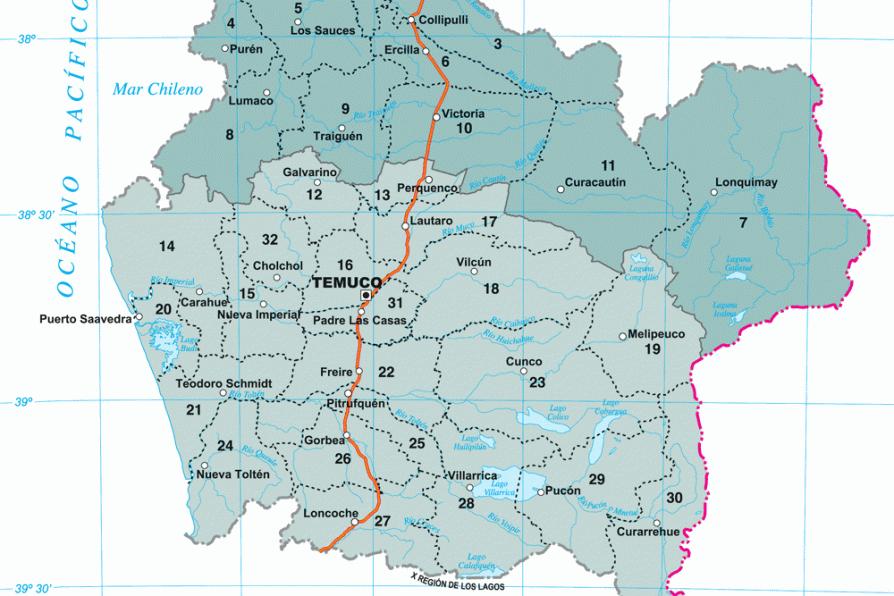
Huenchumilla has firmly denied any wrongdoing, stressing that his daughter is an employee, not a shareholder, and that the proposed project would be run by Mapuche entities in Malleco, not by Dreams or other private operators. He frames the bill as part of a broader push to involve Indigenous communities in high-value economic projects and to address chronic poverty in the region.
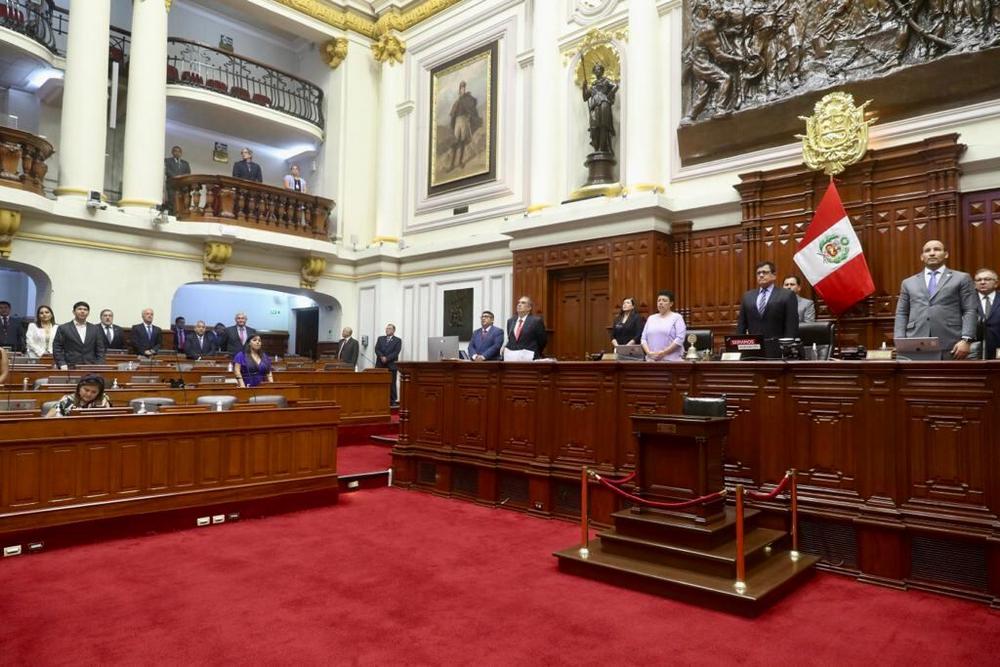
The debate now moves to Congress and public opinion, where lawmakers and regulators will have to decide whether the proposal represents an innovative development tool or an ethically complicated expansion of Chile’s casino footprint.