




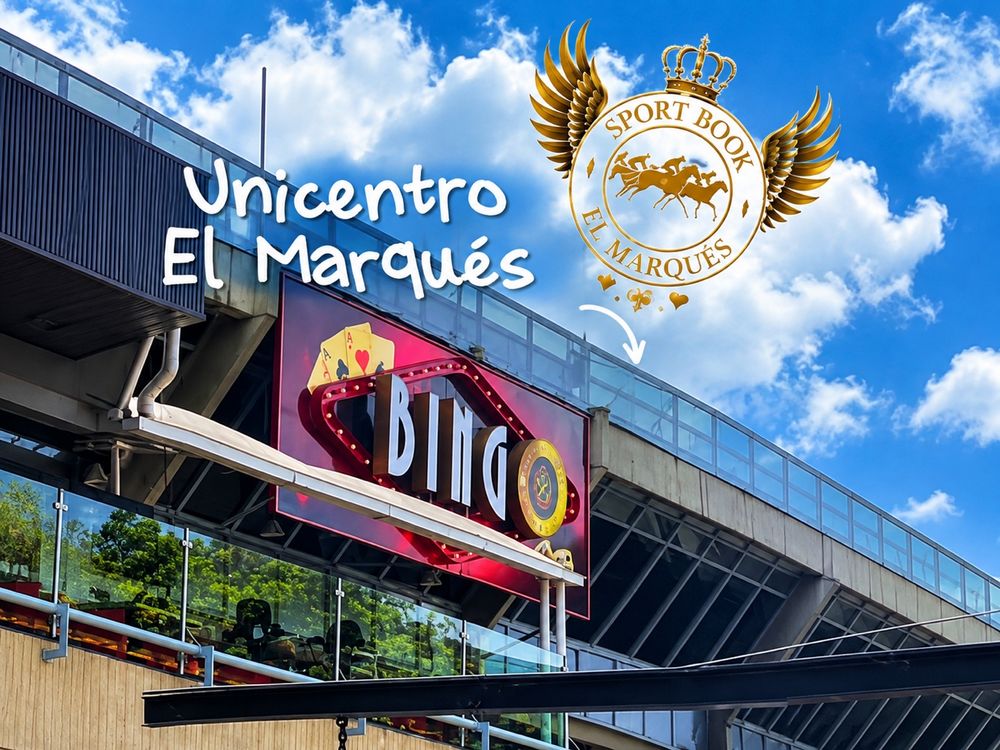

Bingo halls and casinos in Colombia increased transfers to the country’s subsidised health system by 9.3% in 2025, with an estimated COP 378.268 billion allocated through statutory gaming monopoly proceeds. According to Coljuegos, this segment accounted for 39% of the industry’s total contributions, reaffirming land-based “localised gaming” as the largest contributor within its category.
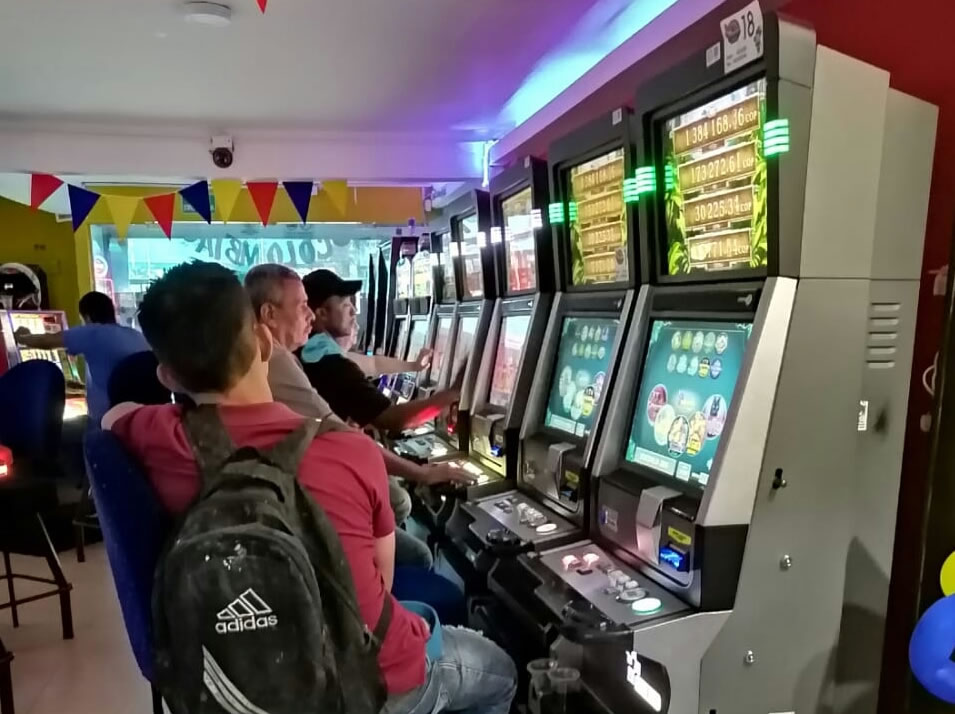
The report also highlights the scale of Colombia’s regulated market: roughly 109,000 authorised electronic gaming machines (EGMs) are operating across more than 3,700 venues nationwide. That footprint helps explain why improvements in monitoring and enforcement tend to translate into stronger public revenue flows and higher player confidence.

Coljuegos attributes the increase mainly to its enforcement strategy and tighter market regulation. In 2025 alone, the regulator reported the seizure of 3,047 items linked to illegal gambling during 95 enforcement actions carried out across 15 departments, as part of a broader effort to reduce unlicensed operations and associated fraud.

In the same “closing the net” approach, the Colombian authority has been strengthening international cooperation. During ICE Gaming Global in Barcelona, Coljuegos signed an agreement with the Spanish National Police to address illegal gambling, fraudulent betting, sports corruption and money laundering, with a specific focus on digital environments. The agreement was signed by Luis Fernando Pascual Grasa, Chief Commissioner of Spain’s Judicial Police, and includes strategic information sharing, the use of technological tools to track online betting, support for financial investigations, and coordination via Interpol and Europol.
The partnership also includes staff training and joint awareness actions on betting integrity. It will run for four years, renewable once. Looking to 2026, Coljuegos expects that initiatives such as ACDV and sector programmes will help expand the regulated offer and sustain health funding flows.