









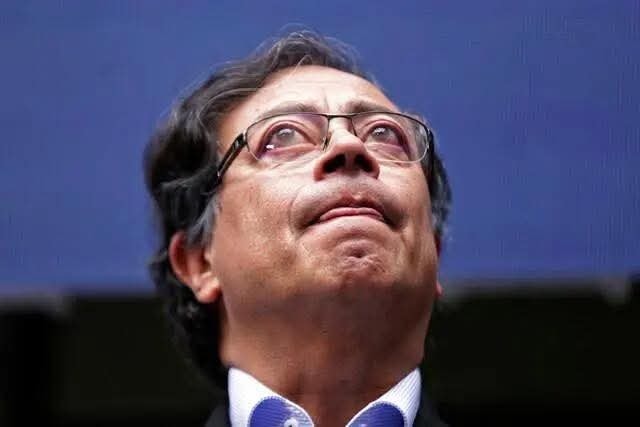
Colombia’s Constitutional Court has provisionally suspended an economic-emergency decree that would have imposed a 19% VAT (IVA) on online gambling and betting services, pausing the measure while the court reviews its constitutionality.
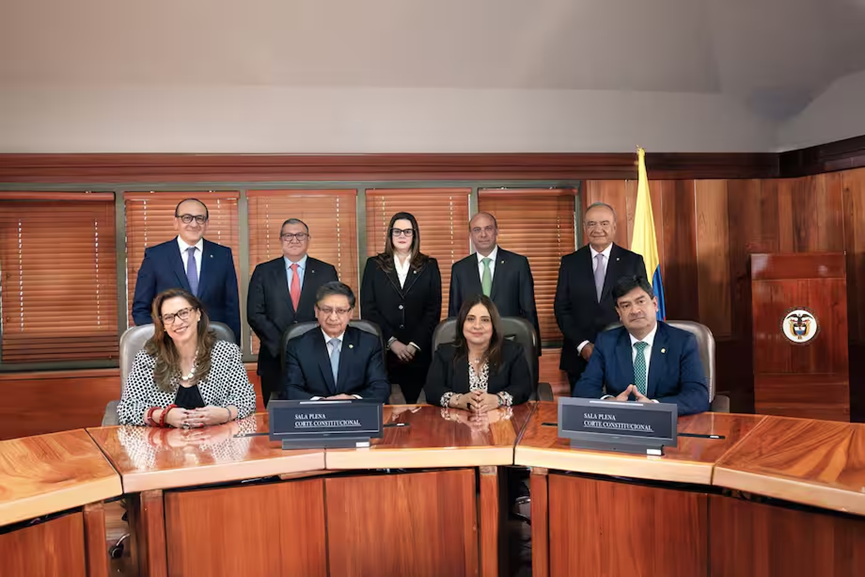
The ruling was adopted by a 6–2 majority and concerns Legislative Decree 1390 of 22 December 2025. The rapporteur magistrate, Carlos Camargo, argued an immediate suspension was necessary to avoid “irreversible” legal effects before constitutional oversight is completed, and he raised both procedural and substantive concerns about using emergency powers to deliver a major tax change.

The freeze lands amid President Gustavo Petro’s wider fiscal strategy after Congress rejected a tax-reform proposal intended to raise 16.3 trillion pesos. The administration has framed emergency measures as a way to strengthen public finances and shore up the 2026 budget, following an increase in Colombia’s 2025 fiscal-deficit target to 7.1% of GDP that contributed to sovereign-rating downgrades.
At the center of the court’s reasoning is a classic constitutional question: whether the executive can use emergency decrees to introduce reforms that failed through ordinary legislative channels. The court’s interim decision suggests it will scrutinize whether the VAT on online gambling was truly necessary, proportionate and directly connected to the declared emergency, or whether it functioned as a substitute route for tax reform.
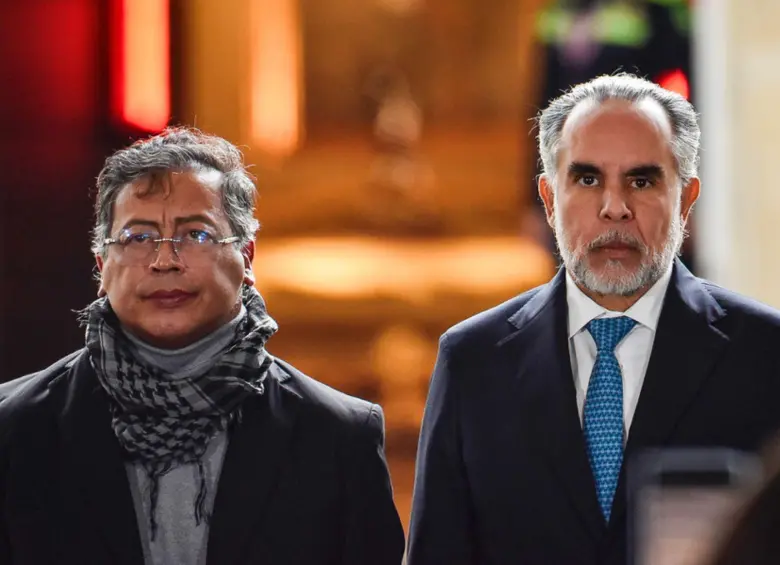
Petro criticized the suspension publicly, warning it could undermine the government’s ability to manage fiscal pressures. Interior Minister Armando Benedetti also reacted sharply, arguing that halting the decree effectively protects the country’s wealthiest groups.
For Colombia’s regulated online betting industry, the order temporarily removes the immediate risk of a sudden VAT shock at checkout, but it also prolongs uncertainty. The final constitutional review will determine whether the government can revive the measure—or whether any tax increase for iGaming must return to Congress.