





Greece is preparing to widen its crackdown on illegal gambling by extending criminal exposure to players who repeatedly use unlicensed channels, as the government argues tougher deterrence is needed to curb a shadow market worth an estimated €1.6bn and at least €500m in annual lost tax revenue.
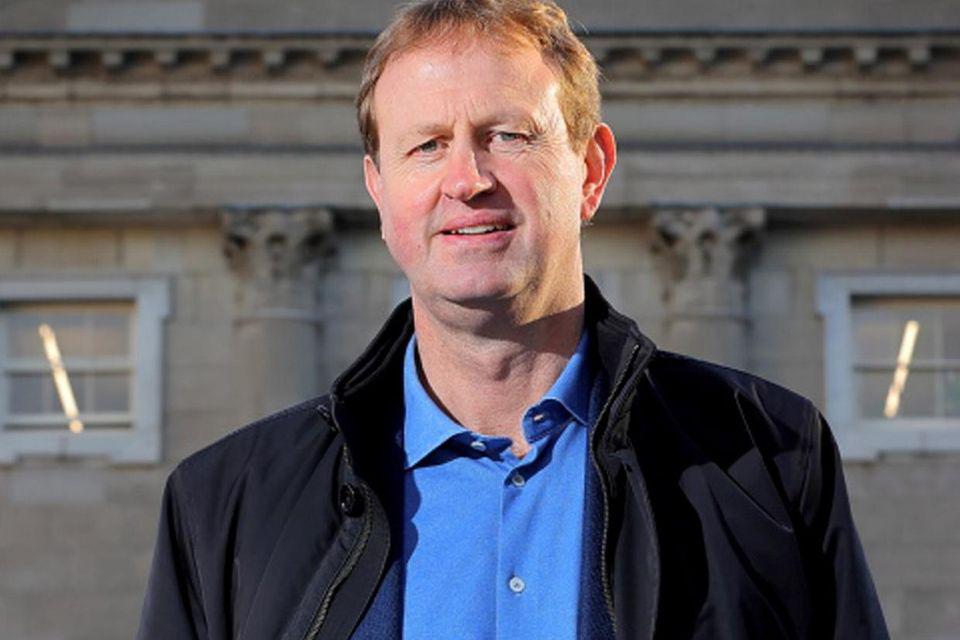
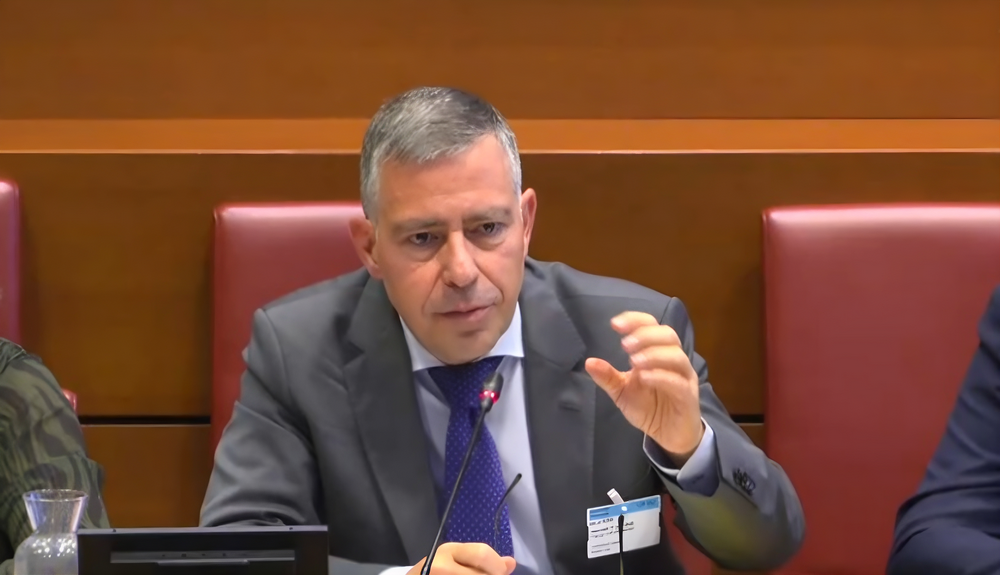
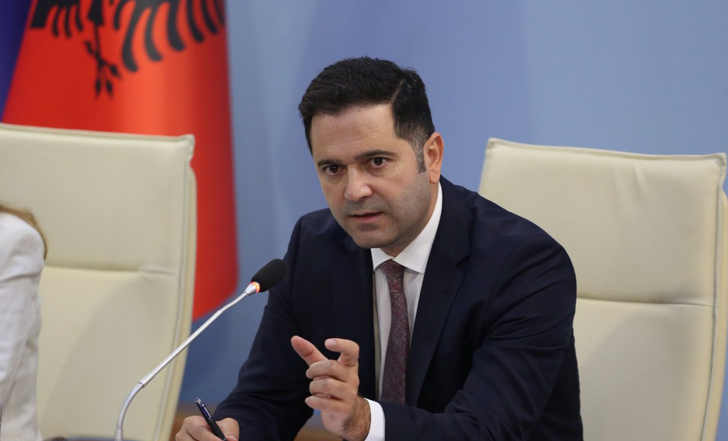
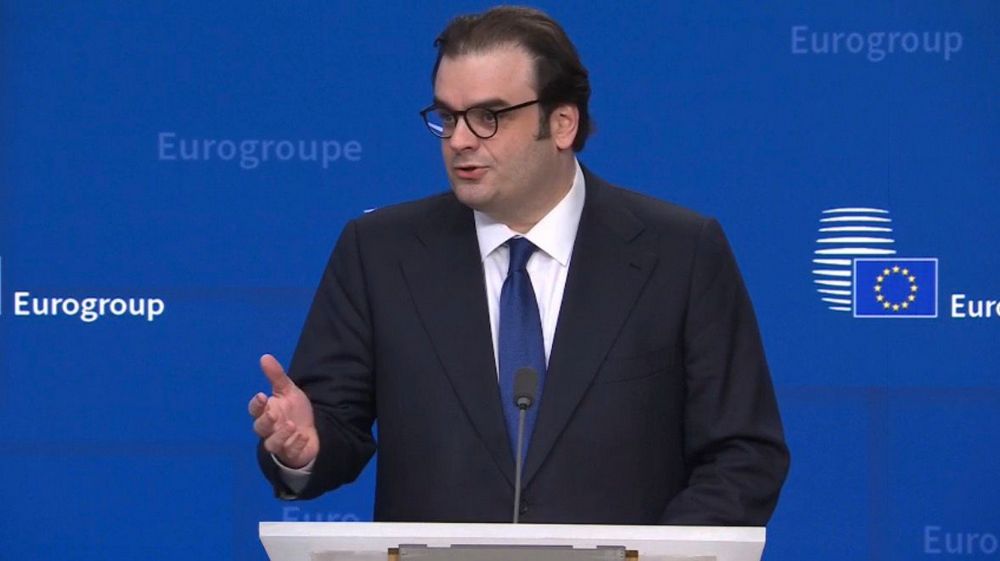
Finance and economy minister Kyriakos Pierrakakis ( pictured) told lawmakers that “repeat participation” will trigger enforcement action against consumers, alongside a new public decree expected in the first half of 2026 (1H 2026) to underpin a “zero-tolerance” approach against illegal operators.

The scale of illegal play cited in the policy debate is significant. Data referenced for 2024 indicates around 390,000 people gambled online via mobile or computer, 215,000 participated in physical venues such as clubs and internet cafés, and 194,000 used both channels. The 18–34 age group accounts for more than a quarter of all unlicensed gambling participants, amplifying public-health concerns around early-age exposure.
Regulatory offensive: Athens government intensifies crackdown on €1.6 billion shadow gambling market

For organisers of illicit operations, the proposed penalty range is substantially harsher: prison terms of up to 10 years and fines between €50,000 and €100,000, with aggravating factors including repeat offences, the involvement of minors, or reopening premises after being sealed. Municipalities are also set to gain greater authority to revoke licences connected to illegal play, while the regulator EEEP would receive expanded investigative powers.