












European gambling policymakers are weighing two contrasting levers to tighten oversight without handing market share to unlicensed operators: a proposed EU-level, single euro-denominated iGaming levy and a renewed warning from the Netherlands’ regulator that a blanket online gambling advertising ban could backfire by boosting the illegal market.
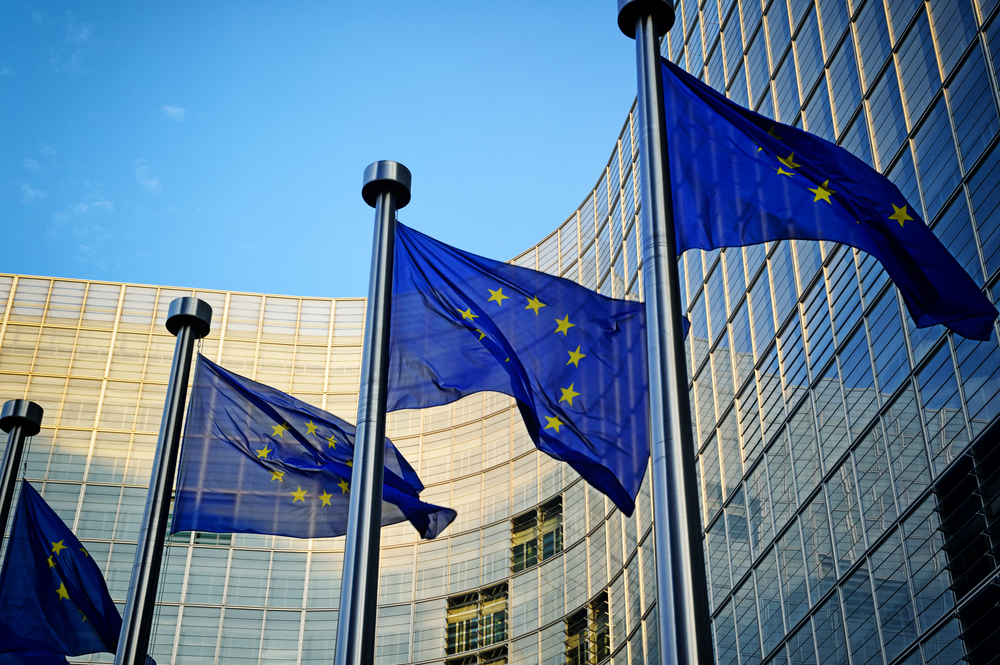
In Brussels, Victor Negrescu, a Vice-President of the European Parliament, has urged Member States to explore a “unionised” tax charge on online gambling and betting, positioning it as part of wider EU budget reform and a way to fund education, workforce reskilling, prevention programmes and mental health support. Parliamentary estimates cited alongside the initiative suggest that even a modest levy could raise €2bn–€4bn per year, with potential to create up to €28bn in additional fiscal capacity over a longer EU budget cycle.
A central argument is harmonisation: gambling tax regimes across the bloc currently range from “low single-digit rates” to more than 40% in some jurisdictions, which proponents say fuels distortions and “tax competition.” By anchoring an EU contribution in euros, supporters argue the industry would face a more comparable, auditable baseline across borders—potentially improving compliance predictability and creating a safer investment case for regulated operators planning multi-market growth.
The tax concept is also framed as an enforcement tool. Negrescu argues that operators contributing to an EU-level charge could be easier to identify as “good actors,” helping regulators and platforms distinguish compliant brands from offshore offerings that target consumers across national lines.

Meanwhile in the Netherlands, Michel Groothuizen, chair of the Kansspelautoriteit (KSA), warned the government that a proposed total ban on online gambling advertising would likely apply only to licensed operators—while illegal operators continue to advertise aggressively on social media.

Groothuizen pointed to scale: Facebook and Instagram reportedly carry more than 60,000 gambling ads targeting Dutch users each month, with fewer than 2,000 originating from licensed providers. He also pushed back on proposals to cap the number of licences, noting the Netherlands has around 30 licensed online operators and arguing there is no evidence that fewer licensees would reduce participation or ad pressure.
Together, the debates underline a shared regulatory dilemma: tightening consumer protection and public visibility without removing the legal market’s ability to compete—especially where cross-border enforcement remains uneven and platform accountability is still evolving.