








This February 17, regulators, public lotteries, health-focused organizations, and gambling operators across multiple jurisdictions used International Responsible Gambling Day to reinforce a shared message: regulated gambling is only sustainable when it prioritizes prevention, youth protection, and player control.

First established in 2008, the date has become a yearly checkpoint for an industry growing alongside online channels and digital marketing—while also facing political and social pressure to tighten rules, curb advertising, and strengthen support pathways when risk signals appear.

In Colombia, regulator Coljuegos amplified its institutional responsible gambling messaging and reiterated its prevention-focused approach in a market where sports betting and online casino have become mainstream adult entertainment.
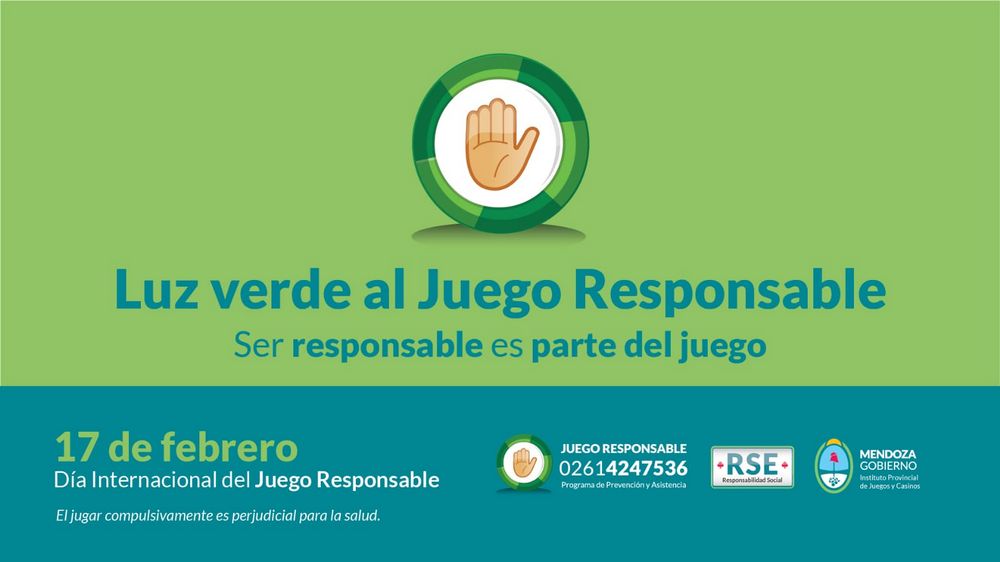
In Argentina, several provinces leaned again on the symbolic “green light” theme, combining educational outreach with public-facing actions to keep the conversation visible during February. The most repeated priorities were reducing youth exposure, strengthening age-verification practices, and improving referral routes for families and schools when problematic behavior is suspected.
In northern Argentina, Jujuy communicated a province-wide prevention campaign mixing information with symbolic measures (including the illumination of landmark buildings) to promote self-control and safer play—explicitly tying the message to the “always-on” nature of online gambling access.

In Central America, El Salvador promoted a “Responsible Gambling Week” running through February 20, pushing simple, consumer-facing guidance: set limits, stick to a budget, and avoid social pressure. The tone was designed for the general public—not only frequent gamblers.

In Europe, attention also turned toward youth risk in digital environments. The Council of Europe reported progress in a technical project involving multiple member states aimed at standardizing data and methods to better address online gambling and gaming risks for minors—an effort framed around evidence-based public policy.