




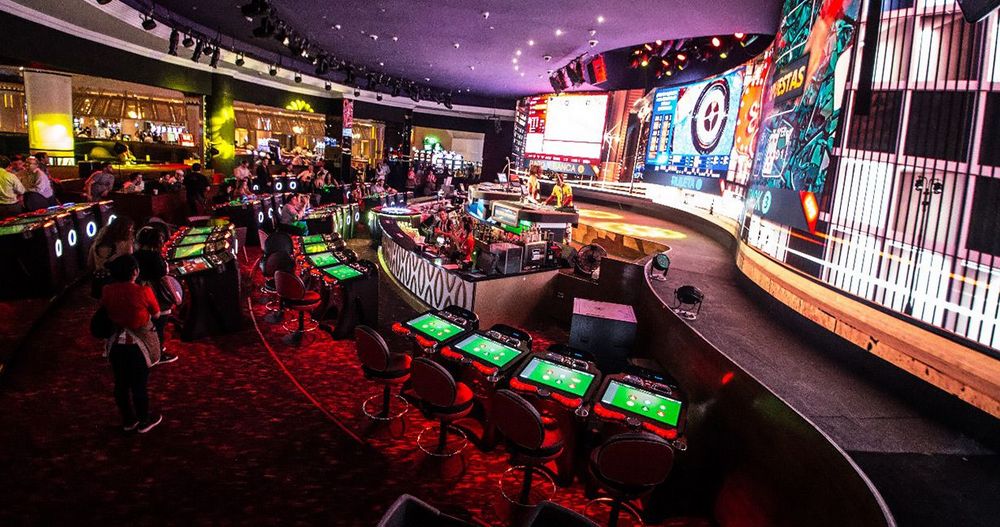
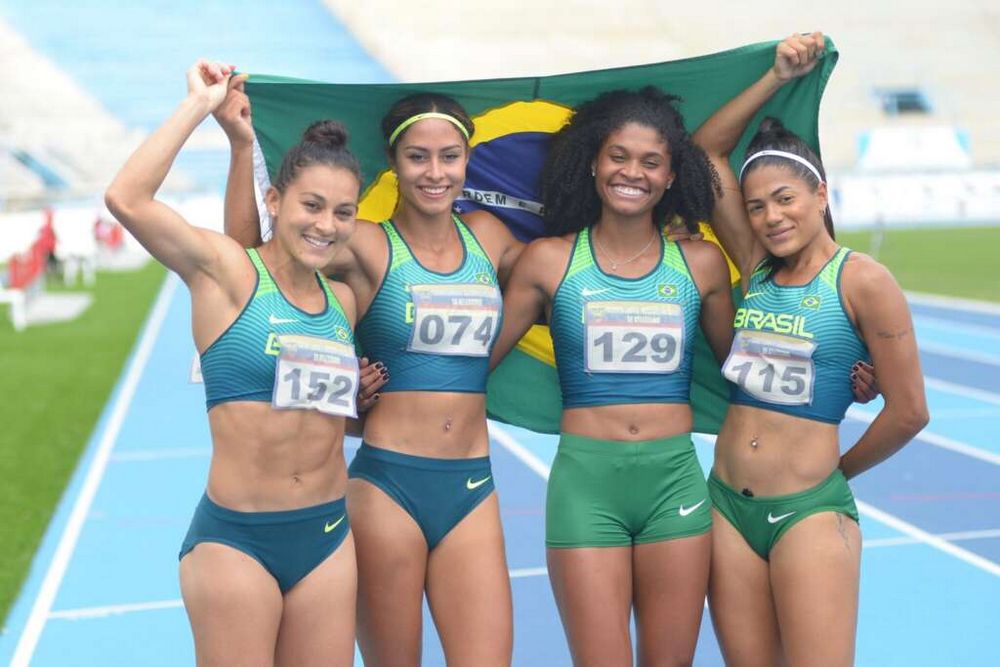
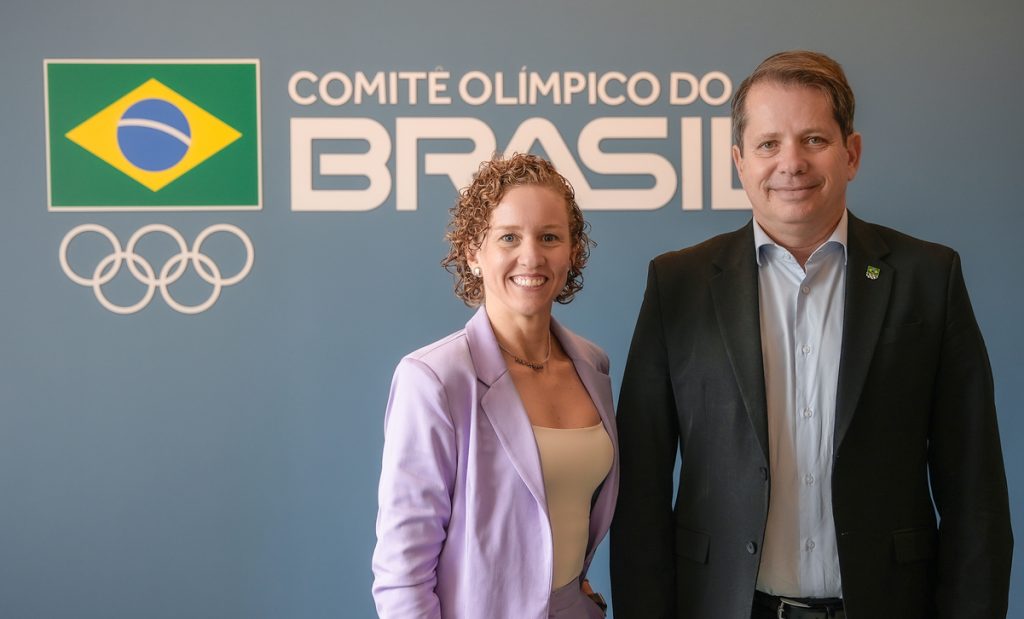
Brazil’s Olympic Committee (COB) is moving to cut its dependence on lottery- and betting-linked transfers after posting its strongest top line in five years. COB president Marco Antônio La Porta said the entity reached R$594 million in 2025, but about 75% of that total still comes from federal lottery resources—an exposure the organization now wants to reduce.
La Porta pointed to recent stress tests. In 2019, COB funds were temporarily blocked amid tax-debt issues tied to sports confederations, and by 2021 the committee’s dependence on state-linked transfers climbed to nearly 92%. His goal is to “shield” the system by 2028—ahead of the Los Angeles 2028 cycle—by expanding private capital and rebuilding sponsorships, highlighted by a partnership with Adidas.
The new board also moved to close a R$78 million deficit inherited from 2024, created after mandatory transfers to confederations rose from 45% to 60%. After a budget review and additional inflows linked to regulated sports betting, COB says cash flow has stabilized and it expects a R$8 million operating surplus in 2026.
Financial planning is now being matched with a larger budget envelope. In December, COB approved a 2026 budget of R$678.6 million, including R$285 million in lottery resources earmarked for confederations and an additional R$24 million in support programs—R$309 million in total, up 17% year over year.
In Brasília, COB is prioritizing debates on betting regulation and tax relief for importing high-performance equipment, while tailoring support for athletes—such as triathlete Miguel Hidalgo’s move to Spain for specialized training. La Porta also flagged mental-health support as a growing pillar, arguing that diversification is an “inversión segura” for long-cycle Olympic preparation.