







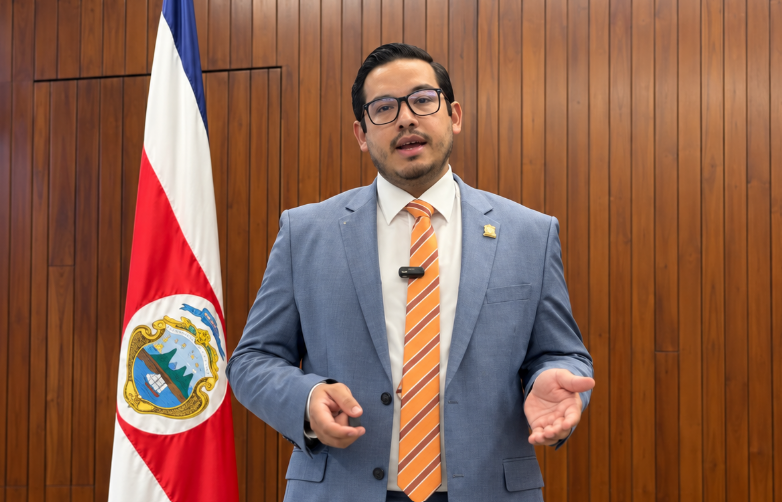
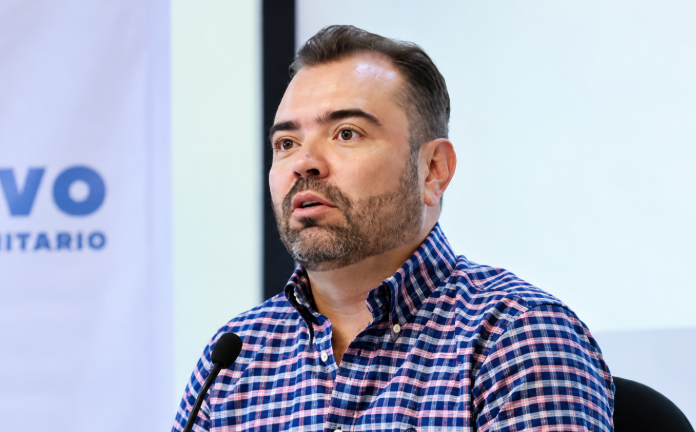
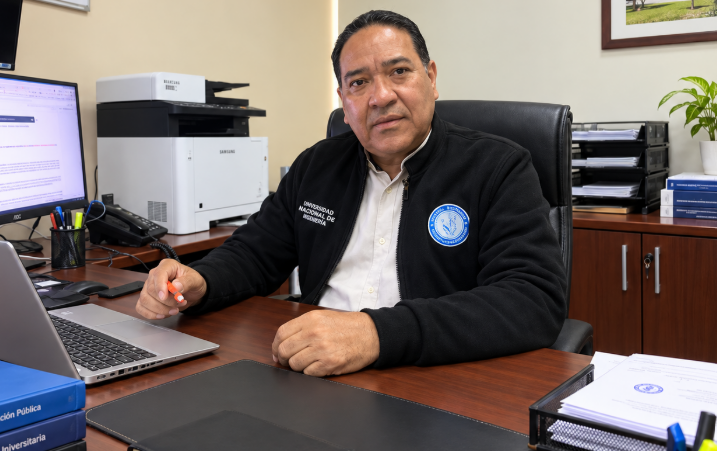
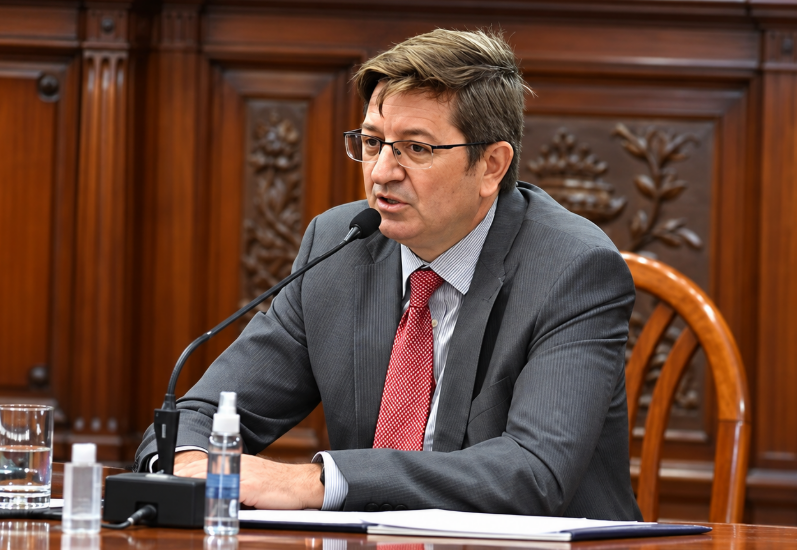
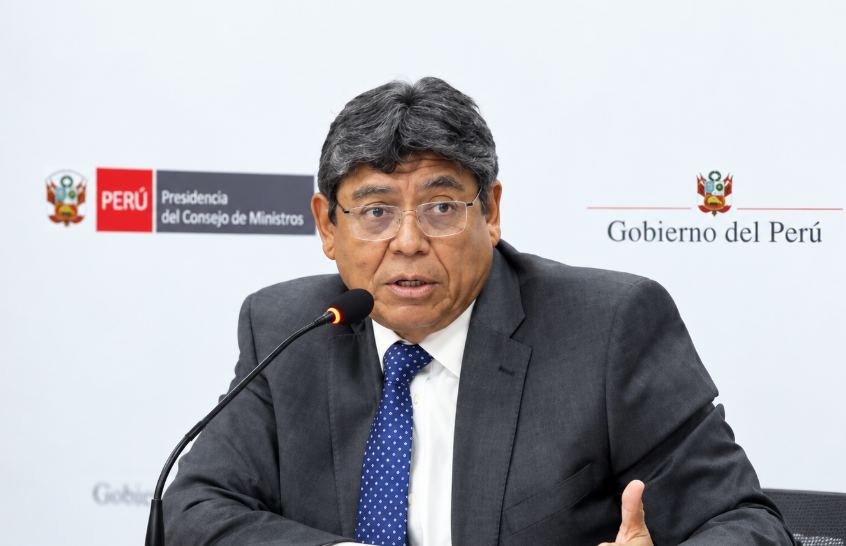
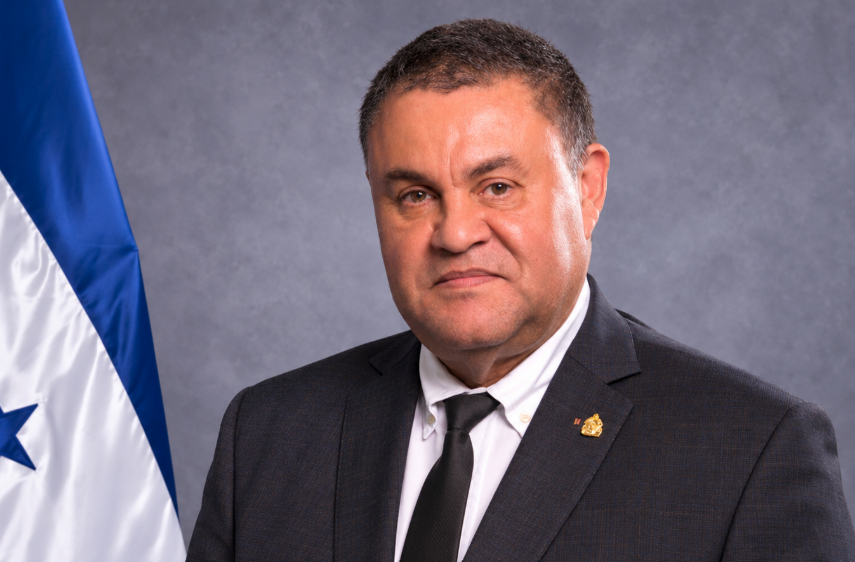

Yesterday, March 24, GAT Expo Cartagena 2026 officially began with its traditional GAT Academy program, a first day clearly shaped by institutional messaging, economic analysis and regulatory discussion. The sessions ran from 9:00 a.m. to 4:00 p.m. at Salón La Niña in the Las Américas Convention Center, under the leadership of Fecoljuegos and its president Evert Montero, with participation from regulators, trade associations and national and international experts. Among the most visible names on the opening day were Marco Emilio Hincapié, president of Coljuegos; Gregorio Eljach Pacheco, Colombia’s Attorney General; Daniel Velandia, chief economist at Credicorp Capital; and Brian Krolicki, vice chairman of the Nevada Gaming Commission.

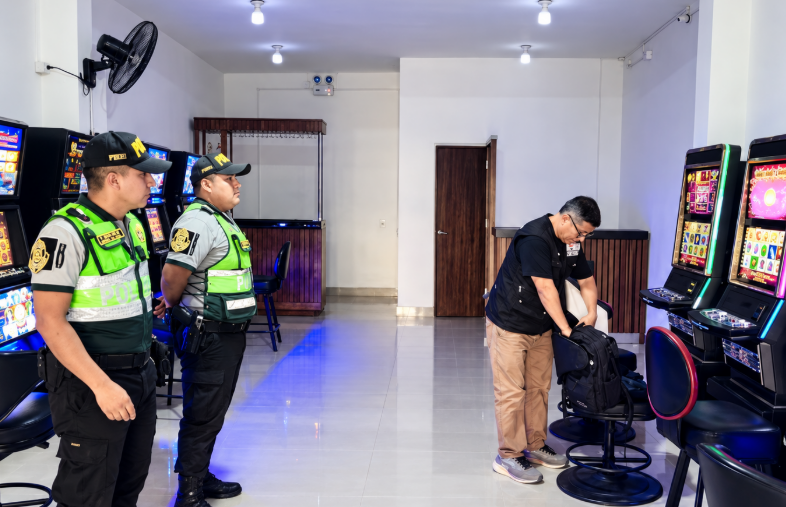
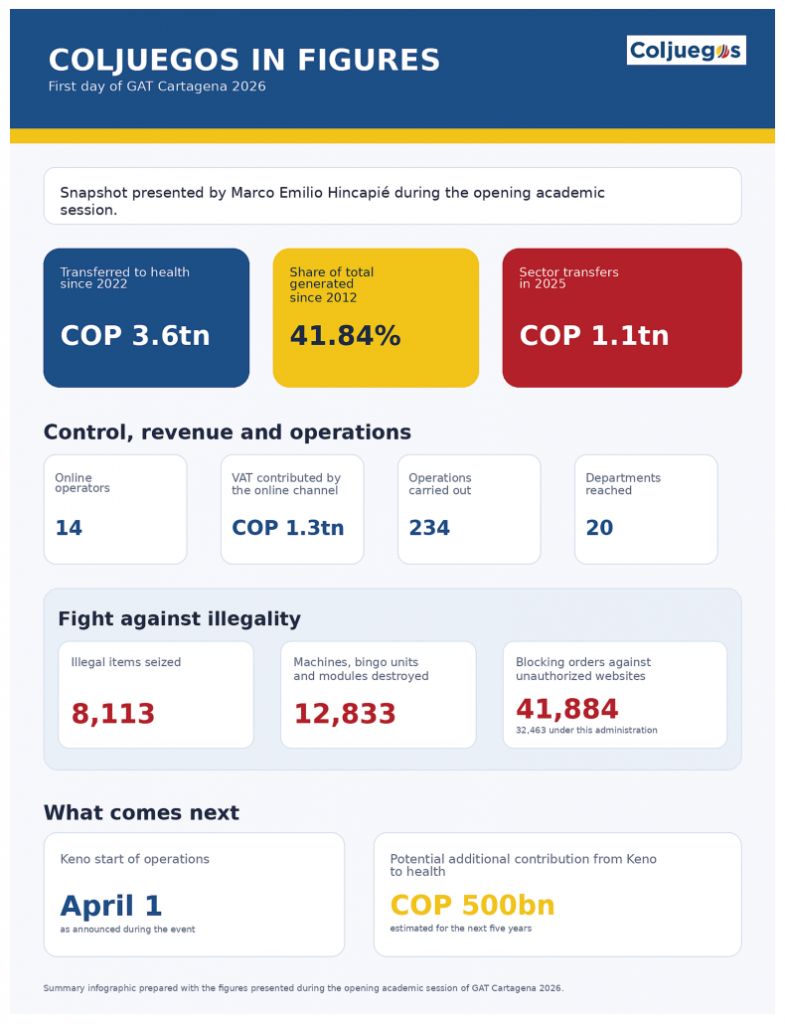
The strongest message of the day came from Coljuegos. During his speech, Hincapié stated that, since 2022, the regulator has transferred COP 3.6 trillion to Colombia’s subsidized health system, a figure that, according to him, represents 41.84% of all resources generated by the sector since 2012. He added that in 2025 alone, the industry transferred COP 1.1 trillion through gambling monopoly revenues, while the country’s 14 online gaming operators contributed around COP 1.3 trillion in VAT. He also highlighted the seizure of 8,113 illegal elements in 234 enforcement operations across 20 departments, the destruction of 12,833 illegal slot machines, bingo units and gaming modules, and the issuance of 41,884 blocking orders against unauthorized websites since 2017, of which 32,463 were carried out under the current administration. As part of the same forward-looking agenda, he announced that Keno will begin operations on April 1 and could contribute an additional COP 500 billion to public health over the next five years.
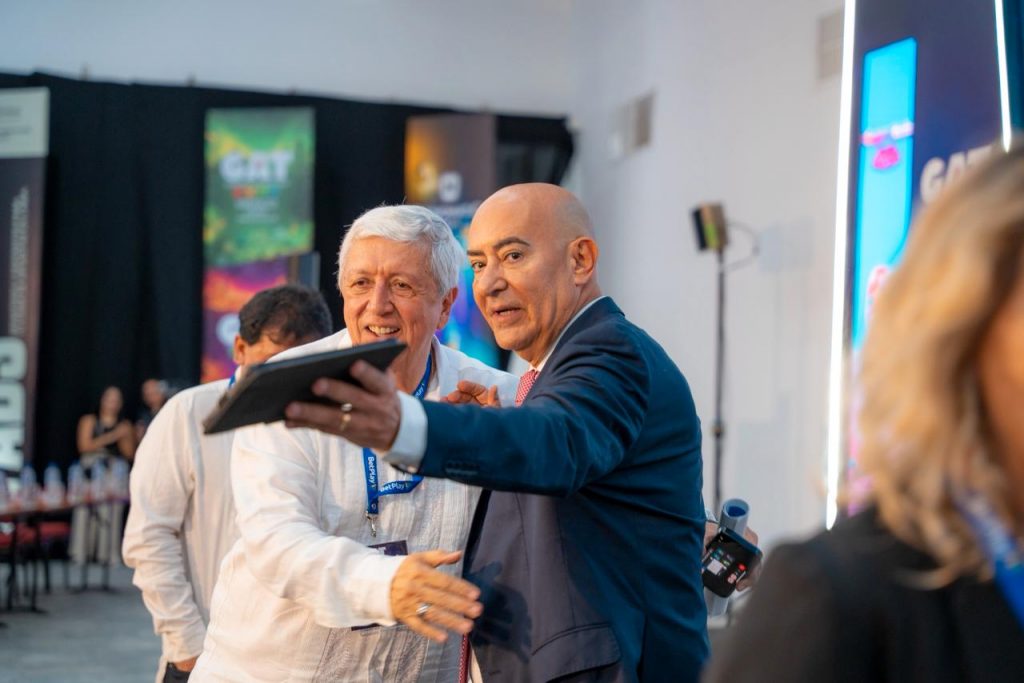
The program also featured a panel on the role of trade associations as operator representatives before governments, with participation from Fecoljuegos, AIEJA, SONAJA, ALEA, CORNAZAR, FEDELCO and APOJA, along with sessions on innovation, technology, traceability, control systems, sports integrity and match-fixing prevention. The day closed with the traditional catamaran networking event between 5:00 p.m. and 9:00 p.m.

But the final segment of the day left a different impression. A closing panel on homologation, featuring representatives from Cornazar, Manuel del Sol, Rodrigo Afanador and others, left many attendees with the sense that the most sensitive question had only been touched on superficially: what should happen to more than 23,000 units that could become obsolete and pushed out of the market.
Rather than offering a concrete path forward, the discussion appeared to leave unresolved concerns about transition, replacement, regulatory cost and the real fate of that installed base. On a first day dominated by figures, institutional legitimacy and promises of modernization, that issue ended up opening one of the most uncomfortable questions of the entire event.