










Michigan intensified its fight against illegal gambling on April 7, 2026, as the Michigan Gaming Control Board (MGCB) confirmed it had issued 45 cease-and-desist orders in the previous four months against offshore operators offering online casino and sports betting to state residents without a valid license. The enforcement action, led by MGCB Executive Director Henry Williams under Governor Gretchen Whitmer, is grounded in the Lawful Internet Gaming Act (Act 152 of 2019) and the Lawful Sports Betting Act (Act 149 of 2019).

The blacklist includes operators such as BetOnline.ag, SportsBetting.ag, Americas Card Room, 3Dice.com, True Poker, Buffalocasino.com, Anonymous Casino, betgem.io, thevault.ag, Voltage Bet, ReefSpins, RX Casino and BetAnything Sportsbook, among dozens of others identified as accepting wagers or providing casino-style games to Michigan users. Regulators urged consumers to verify platforms against the official list of authorized operators before depositing funds.
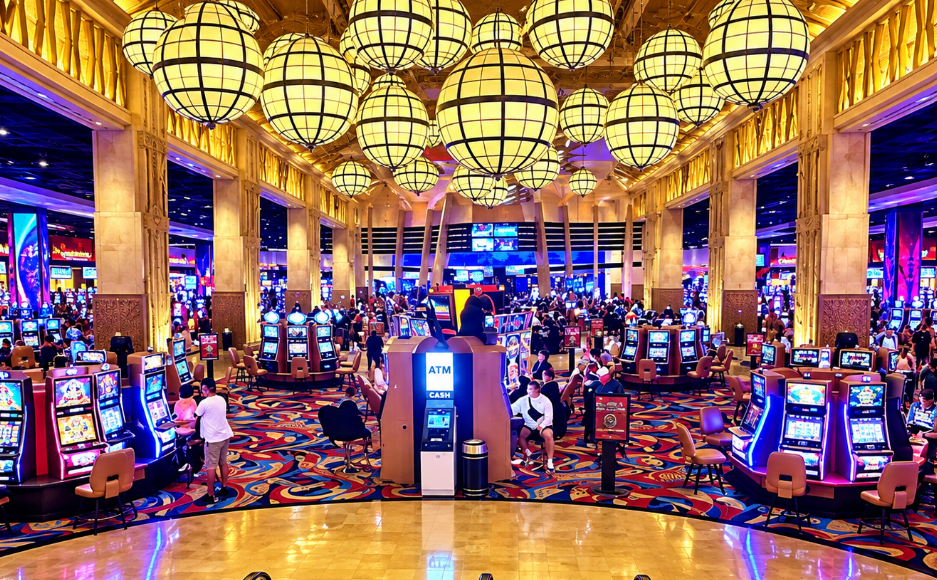
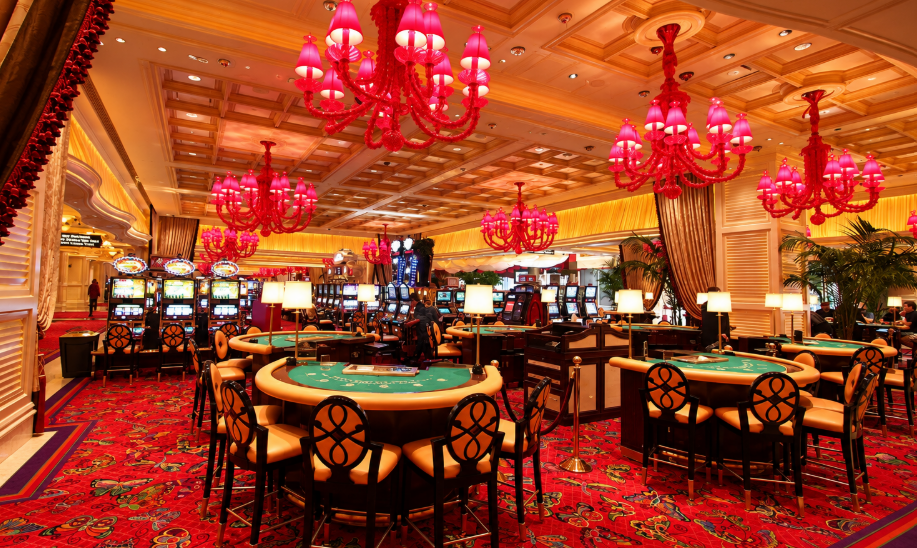
The crackdown reflects the scale of Michigan’s regulated market. In 2025, commercial and tribal operators generated $3.8 billion in combined gross receipts, including $3.1 billion from iGaming and $671.3 million from online sports betting. The state collected $624.6 million in taxes and payments, while Detroit received $161.4 million and tribal jurisdictions $71.9 million. In January 2026 alone, the market produced $356.3 million in gross receipts.

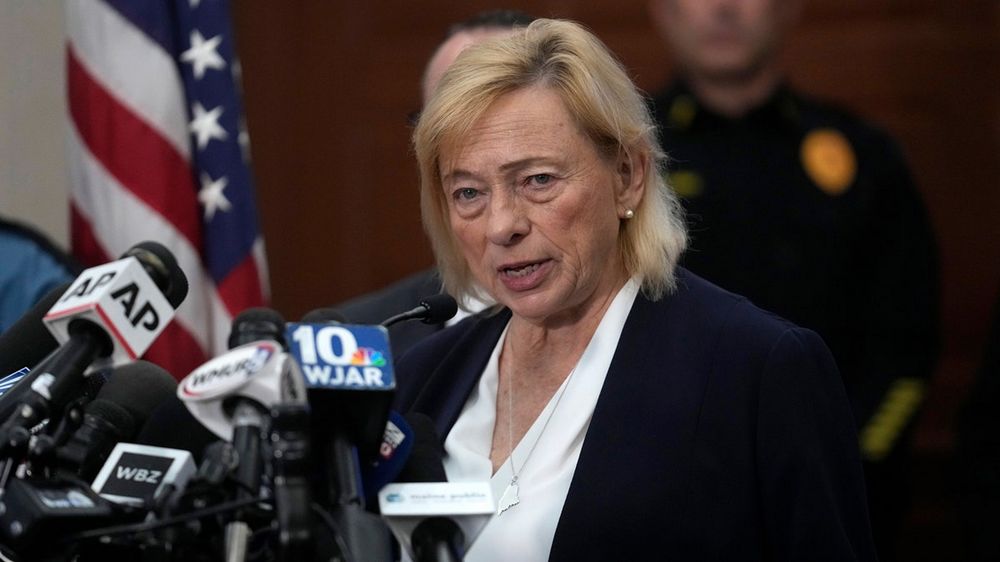
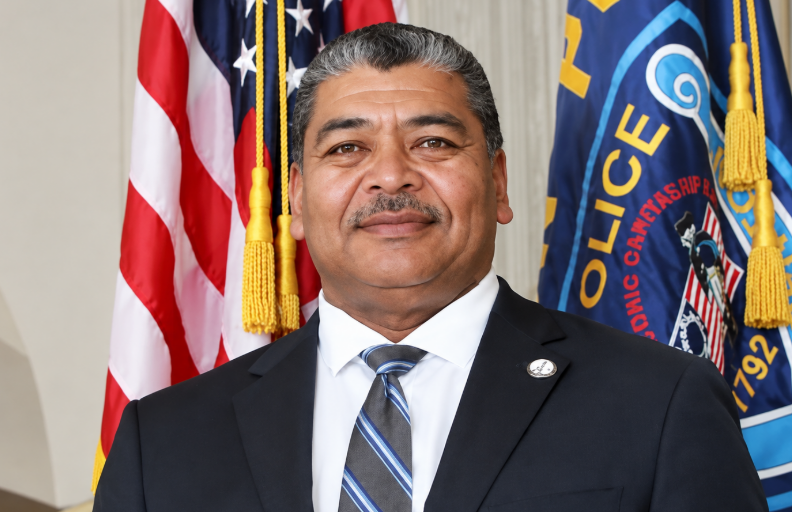
MGCB Executive Director Henry Williams
Legal operators must meet strict licensing requirements, including a $50,000 application fee, $100,000 licensing fee, and $50,000 annual renewal, while iGaming is taxed between 20% and 28%, and online sports betting at 8.4% on adjusted gross revenue.
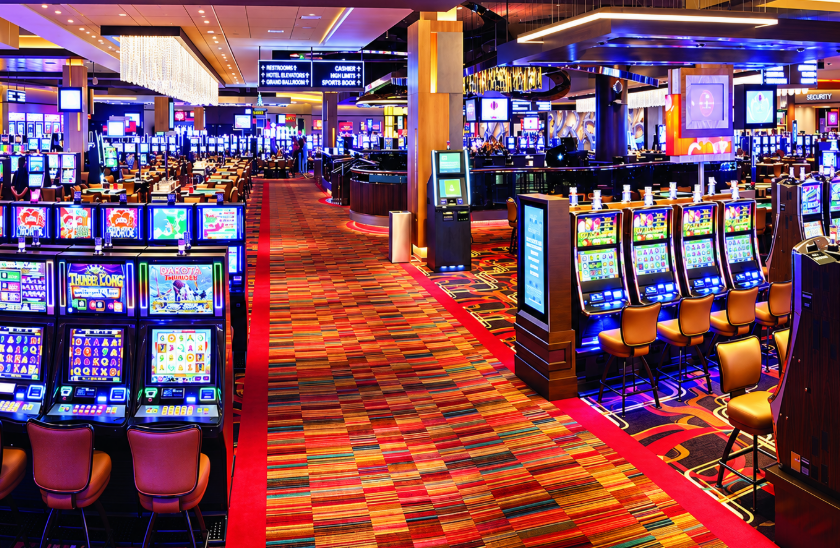
Michigan’s strategy is not to restrict gambling, but to eliminate unlicensed competition and safeguard tax revenue in one of the largest regulated online gaming markets in the United States. While the state has not quantified exact tax losses from illegal operators, the enforcement push underscores the high fiscal stakes and signals a clear policy direction: online gambling growth will only be tolerated within the licensed, regulated framework.