


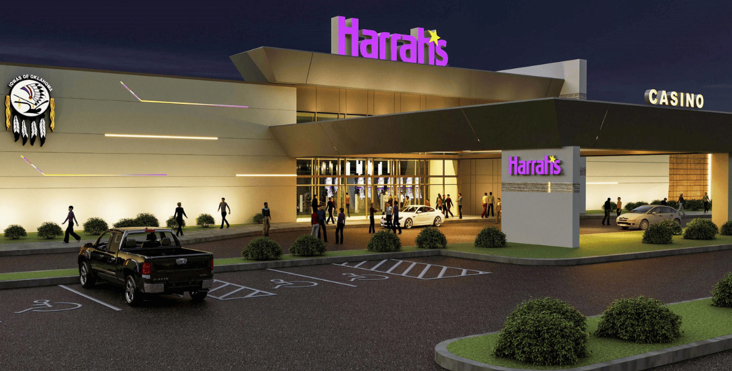











The U.S. casino market gains a new strategic asset with the opening of Harrah’s Oklahoma on April 9, 2026, in Chandler, reinforcing regulated gaming growth and strengthening the tribal–corporate partnership model.
The property, developed by the Iowa Tribe of Oklahoma and operated by Caesars Entertainment, marks Caesars’ first managed casino in Oklahoma. Located along the Route 66 corridor between Oklahoma City and Tulsa, the venue features more than 1,000 slot machines, 12 table games, and a high-limit area, with future expansion plans including a hotel and additional entertainment offerings.

The economic impact is immediate. The project is expected to generate over 300 direct jobs and boost regional tourism, local spending, and hospitality-related activity.

Oklahoma remains one of the strongest tribal gaming markets in the United States. Under the Indian Gaming Regulatory Act (IGRA) and the State-Tribal Gaming Compact framework, casinos operate through agreements between federally recognized tribes and the state, with limited state oversight and federal supervision. This regulated model supports a market exceedingly with approximately $3.6 billion in annual gaming revenue, positioning Oklahoma among the leading tribal gaming hubs nationwide.
Within this framework, Caesars’ entry represents a strategic expansion. The operator integrates the property into its Caesars Rewards ecosystem, extending reach across a regional customer base while leveraging a management agreement structure rather than relying on new commercial licenses.
The partnership with the Iowa Tribe reflects the core growth model of the sector: private capital, tribal sovereignty, and federal regulation. This structure enables controlled expansion, local economic capture, and reinvestment into community services, infrastructure, and development.
The outlook is clear: Oklahoma’s casino market continues to expand under a regulated and sustainable model. The opening of Harrah’s Oklahoma confirms that land-based gaming in the U.S. remains a growth engine, driven by structured partnerships, regulatory compliance, and rising regional demand.