







Prediction markets are done playing cute. After a year of cease-and-desist letters and state-level smackdowns, Kalshi and Crypto.com have pulled together a K-Street vehicle — the Coalition for Prediction Markets — with Robinhood, Coinbase and Underdog on board, to argue that event contracts belong under federal derivatives law, not in the same box as parlay cards and moneyline bets.
CFTC defends prediction markets as senators intensify scrutiny
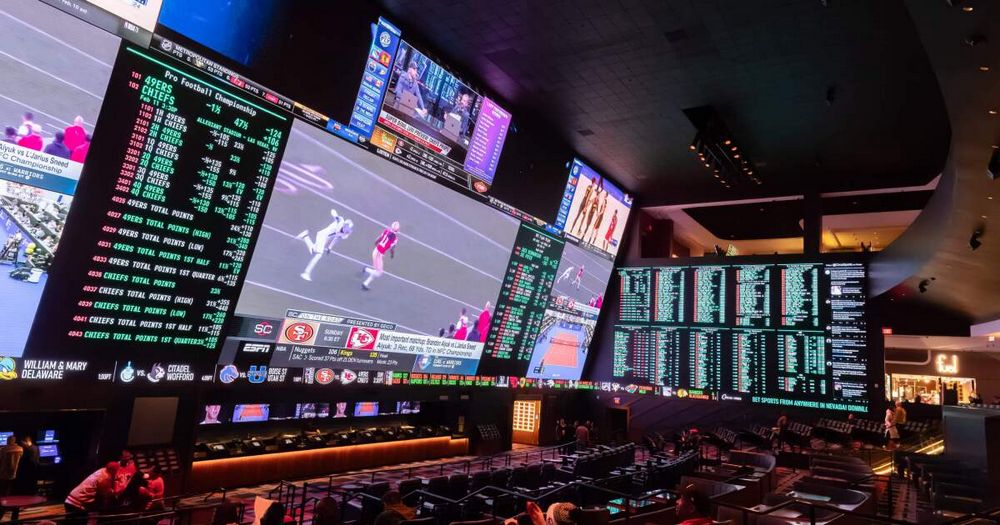
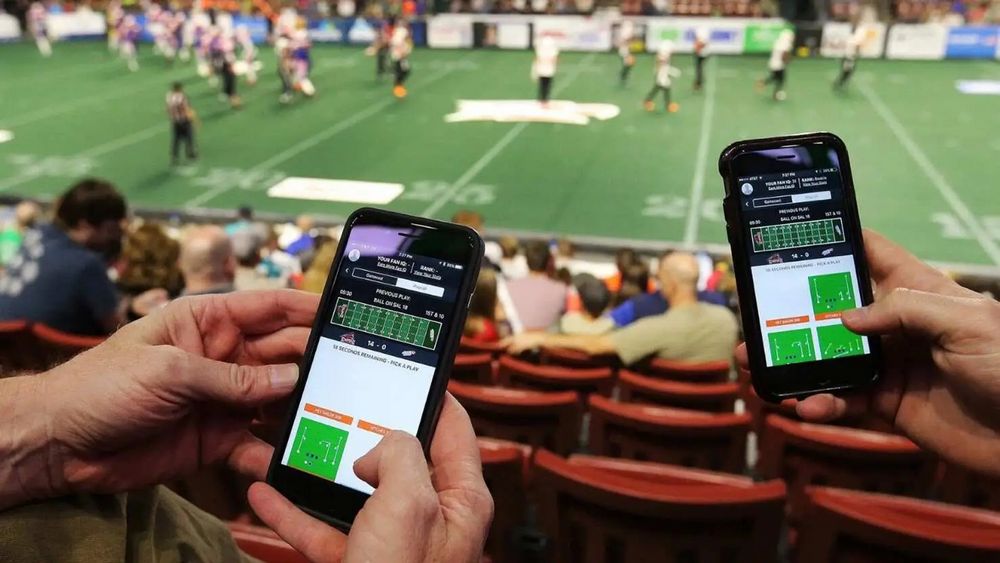
The backdrop: 39 U.S. states now offer legal sportsbooks, but prediction markets are live even in states without regulated sports betting because they clear contracts through CFTC-supervised derivatives entities. That regulatory split is exactly what’s under attack as regulators in Connecticut, New York, Massachusetts, Arizona, Illinois, Montana and Ohio move to brand sports-linked event contracts as unlicensed sports wagering and order platforms to shut off local traffic and let players withdraw funds.

This isn’t a niche corner of crypto anymore. Kalshi just closed a $1 billion round at an $11 billion valuation and reported a record $4.54 billion in November trading volume, with Bank-style research calling out $5.8 billion in monthly handle versus $3.7 billion at Polymarket. Robinhood’s prediction hub has pushed roughly $9 billion in contracts and ~$300 million in annual recurring revenue off event products alone, and that’s before the firm fully internalizes fees via its own LedgerX-based DCM.
Legally, the coalition is telegraphing a preemption fight. Their theory: once the CFTC signs off on an event contract listed on a designated contract market and cleared through a registered DCO, states can’t re-characterize those same contracts as “illegal bookmaking” without running head-on into the Commodity Exchange Act. Expect heavy emphasis on conflict and field preemption, Dormant Commerce Clause arguments and the idea that CFTC KYC/AML, surveillance and position-limit rules already cover the consumer-protection ground state regulators claim to be defending.
Prediction markets: the next big bet regulators can’t ignore
States, for their part, are leaning into traditional police-power rhetoric: if a contract settles on the outcome of a game, looks like a prop bet, and is marketed like sports wagering, it should sit inside the same licensing, tax and integrity framework as a sportsbook skin. Connecticut’s orders, for example, read like classic “unlicensed sports betting” cases: stop taking action, stop advertising, let in-state users cash out.
The coalition’s move turns what looked like a series of one-off state dust-ups into a coordinated federal test case. If prediction markets win the classification war in D.C. and the courts, they lock in a CFTC-only lane for a product set already posting multi-billion-dollar monthly handle. If they lose, expect event contracts on sports — and eventually politics and macro — to be dragged back into the same fragmented, state-by-state map that U.S. sportsbooks have been navigating since PASPA fell.