









Two U.S. states moved closer to casino expansion this month as lawmakers in Indiana and Virginia advanced bills that shift long-running debates from “if” to “where”—and, crucially, who gets to vote.

In Indiana, Governor Mike Braun signed House Bill 1038 (HB 1038) into law on 4 March, creating a pathway for a new casino licence tied to county referendums. Under the framework, voters in Allen, DeKalb, and Steuben counties will decide on casino eligibility on the November 2026 ballot. If approved locally, a competitive process would follow: the Indiana Gaming Commission would select a winning proposal by 15 April 2027. The bill’s economics are intentionally “large-ticket”: prospective developers face a US$150 million licence fee and must commit to at least US$500 million in investment over five years.

The legislation’s structure also reflects political trade-offs. Coverage notes that Indianapolis/Marion County was left out despite prior market interest, while debate around the future of Rising Star Casino evolved into a broader contest for a new licence rather than a straightforward relocation.
Fairfax County casino bill advances in Virginia Senate as site restrictions are dropped

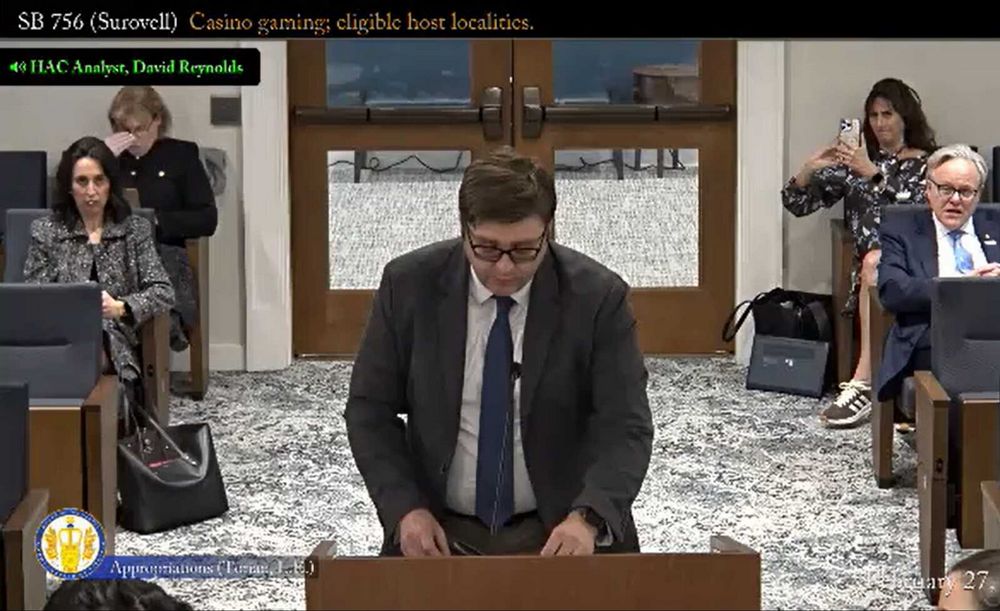
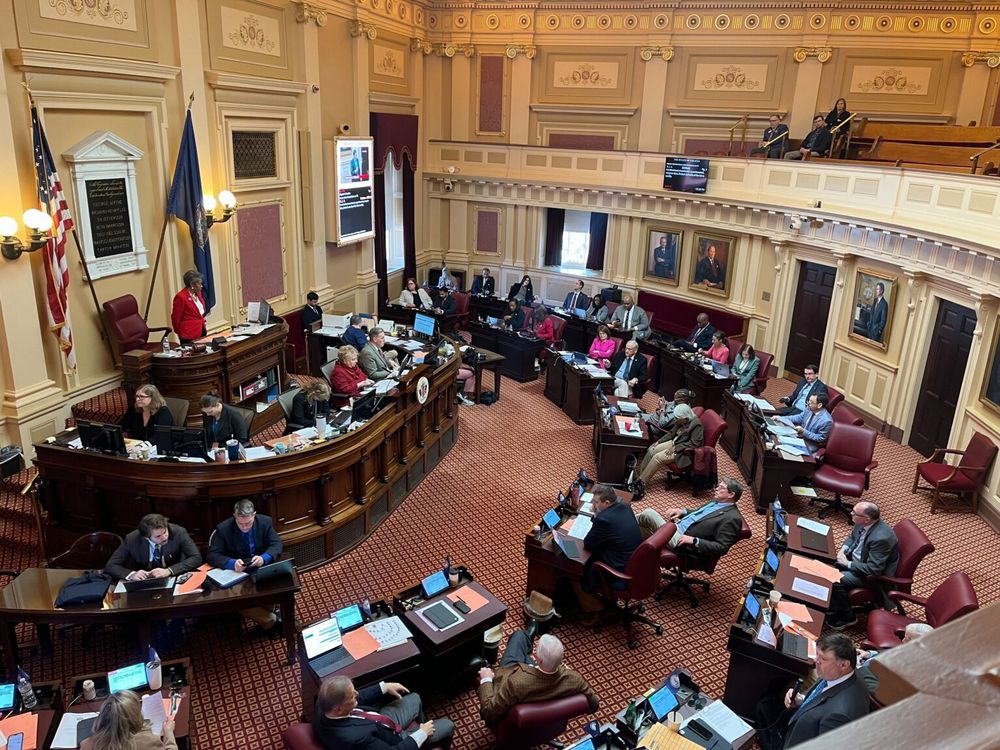
In Virginia, Senate Bill 756 (SB 756)—often referred to as the Fairfax County casino bill—cleared the House of Delegates 64–32 on 4 March and was sent to a conference committee, positioning it to reach Governor Abigail Spanberger for action. The bill’s momentum is paired with sharp local pushback: Fairfax County Board Chair Jeff McKay has publicly warned against putting the measure to voters as drafted, citing revenue-allocation concerns (including figures reported as US$42.2M to the state versus US$19.9M to the county).