

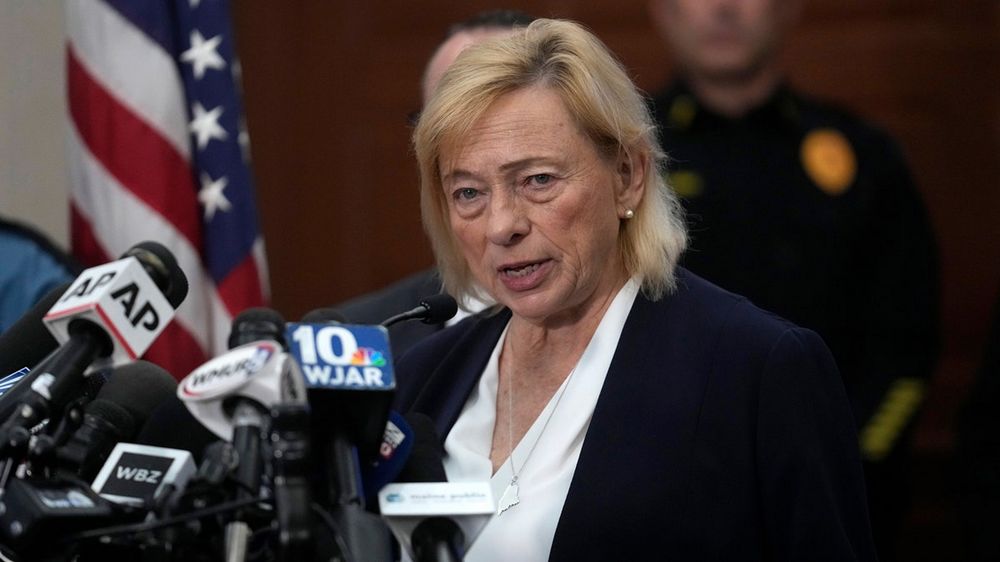



Maine took a decisive turn in its gambling policy on April 6, 2026, when Governor Janet Mills signed LD 2007 / SP 825 – “An Act Regarding the Prohibition of Online Sweepstakes Games” (Public Law, Chapter 645), a law that bans online sweepstakes casinos and classifies them as unlawful gambling under state law.

The measure, introduced by Senator Craig Hickman and submitted by the Department of Public Safety, followed a full legislative process through the Veterans and Legal Affairs Committee, passing the House 87–55 after Senate approval on March 12, 2026. As a non-emergency law, it is expected to take effect approximately 90 days after the legislative session adjourns.
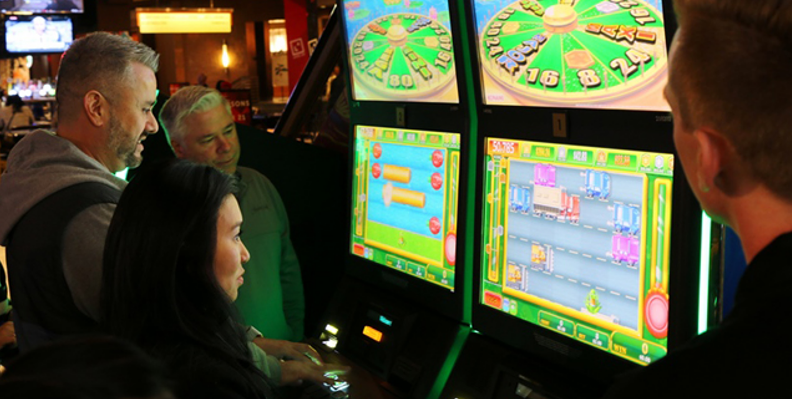
The shift is structural. The law targets platforms operating with dual-currency systems, where users purchase credits and receive “free” coins convertible into cash prizes. These models—often replicating slots, poker, bingo and sports betting—are now prohibited. Violations carry fines ranging from $10,000 to $100,000 per offense, along with potential license revocation and disqualification for regulated operators.

Oversight falls under the Maine Gambling Control Unit, led by Milton Champion, within the Department of Public Safety, reinforcing state authority over gambling operations.
While the law does not alter tax rates, it reshapes the market structure. Maine maintains a 10% tax on adjusted gross sports betting revenue and an 18% tax on iGaming, the latter legalized in January 2026 through LD 1164, enabling tribal-operated online gaming.

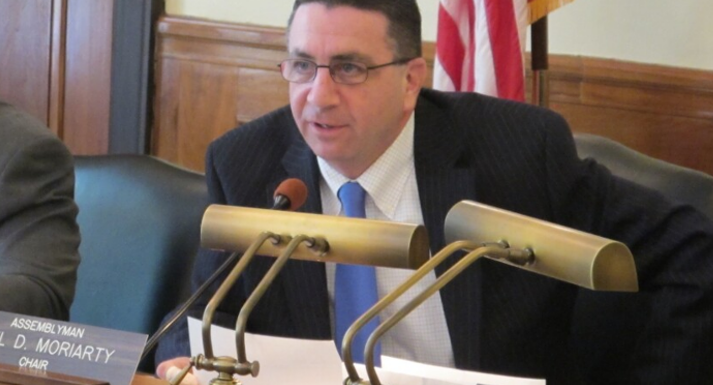
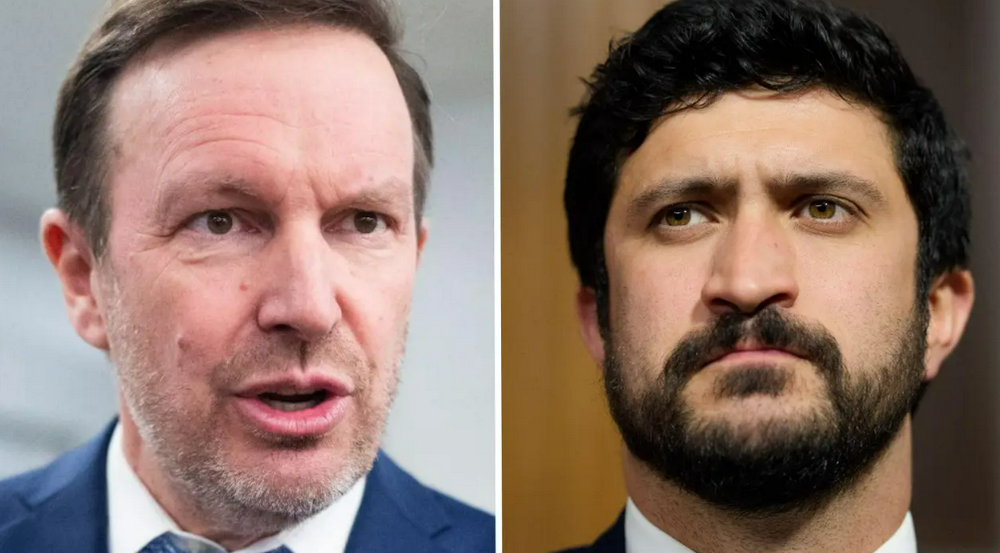
Senator Craig Hickman
Market data underscores the move. In 2024, sports betting generated a handle of $524.4 million, with more than $9 million in tax revenue accumulated since 2023. However, the rise of sweepstakes platforms created a parallel market operating outside regulatory and tax frameworks.
The expected outcome is clear: eliminate unregulated competition and strengthen licensed channels. For sweepstakes operators, the impact is immediate and negative. For regulated entities, it creates room for expansion under clear rules.
Maine is not restricting gambling, it is restructuring it, aligning growth with licensing, traceability and formal taxation.