











The United States is implementing concrete, state-level gambling reforms in 2026, with immediate regulatory changes already scheduled. The most imminent is in California, where new Department of Justice rules take effect on April 1, 2026, restricting blackjack-style games in card rooms by altering the “player-dealer” model. The economic impact is significant: cities like Bell Gardens estimate losses of up to $17 million annually, with operators warning of broader effects on employment and local revenues.

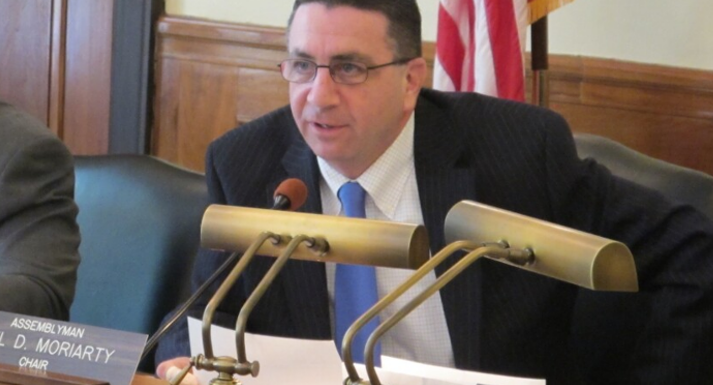
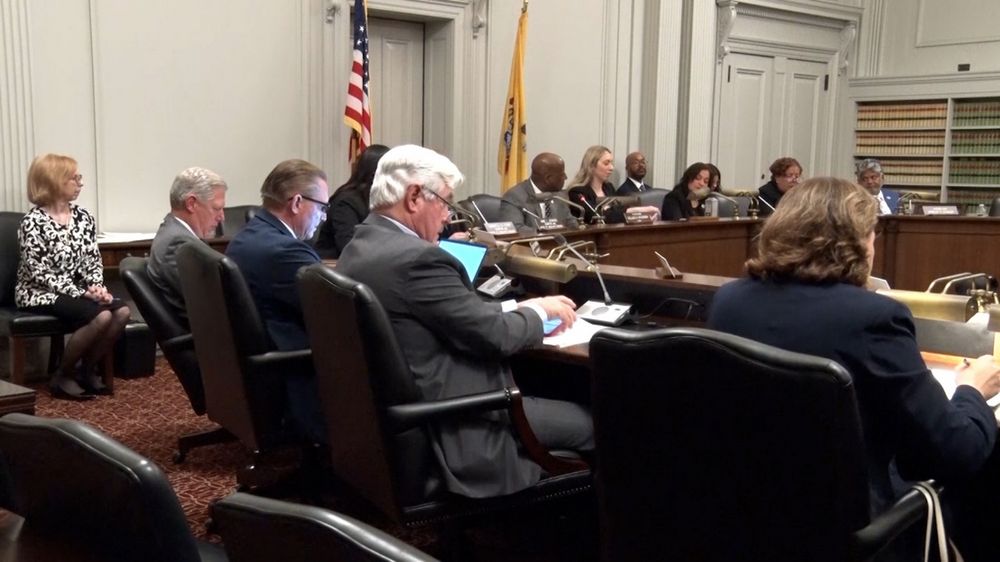
At the same time, New Jersey, one of the largest betting markets in the country, with more than $10.9 billion in sports betting handle in 2025—is advancing Senate Bill S-2160, introduced by Senators Paul Moriarty and Patrick Diegnan. The bill seeks to ban micro-betting, targeting wagers placed on immediate in-game actions such as the next play. Lawmakers cite concerns around sports integrity and impulsive betting behavior.
Meanwhile, states including Indiana, Louisiana, Maine, Mississippi, Oklahoma, and Virginia are moving to restrict social casinos and sweepstakes models, closing regulatory gaps where operators used virtual currencies or promotional systems to simulate real-money gambling.
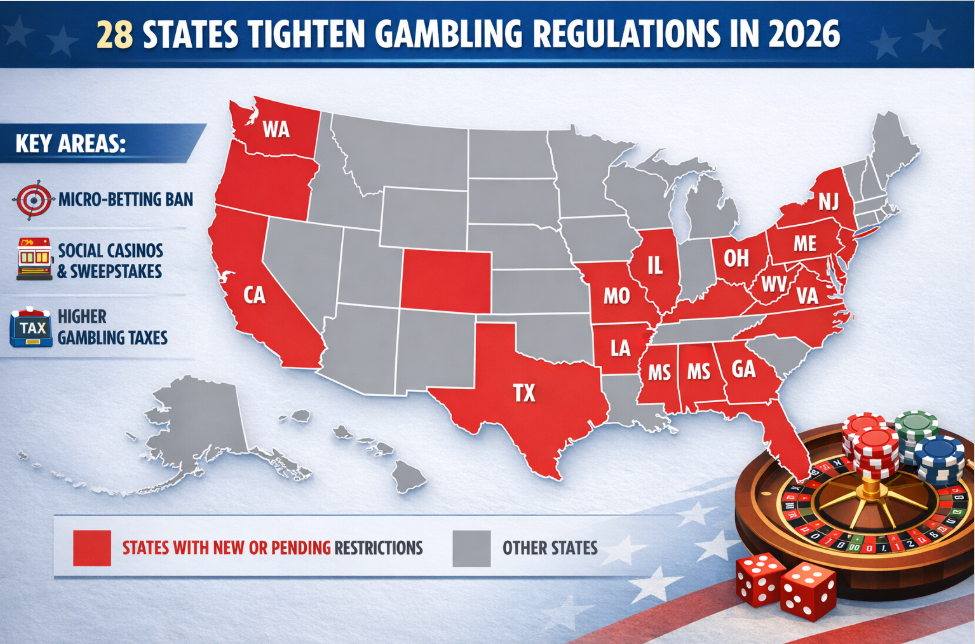
The fiscal front is also tightening. States such as Illinois, Ohio, Texas, and West Virginia are considering higher gambling taxes, with some proposals reaching up to 25% on sports betting, increasing pressure on operators in already competitive markets.
All of this is unfolding in a rapidly growing industry. The US online gambling market is projected to reach $23.8 billion in revenue in 2026, within a broader ecosystem exceeding $120 billion in annual wagers.
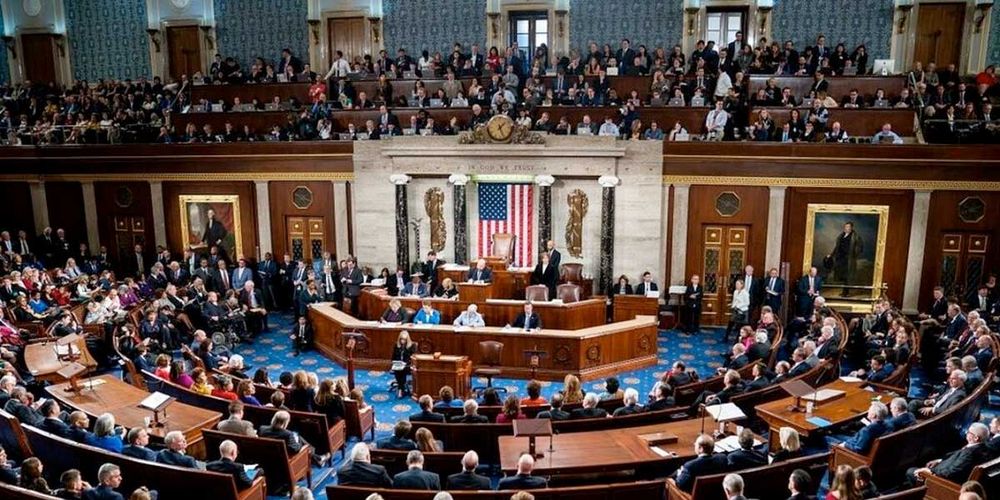
The signal is clear: regulation is no longer expanding the market—it is redefining it. From April onward, the US gambling landscape becomes more selective, with less room for gray-area models and tighter control over how gaming revenues are generated.