











On March 23, 2026, a Senate committee in New Jersey approved the advancement of Senate Bill 2160 (SB 2160), a proposal aimed at banning micro-betting within sports wagering—one of the fastest-growing segments in the U.S. betting ecosystem.

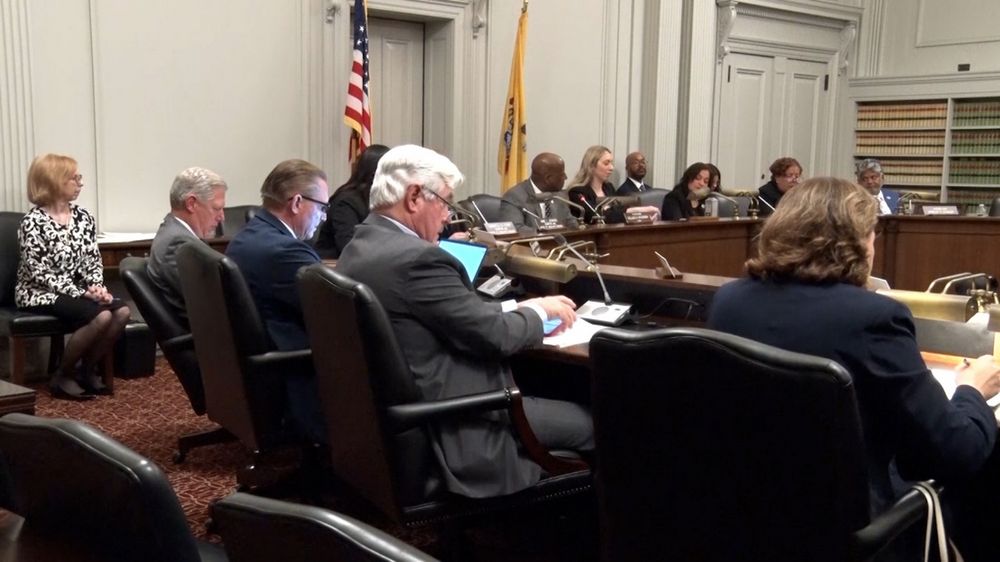
The bill, sponsored by Paul Moriarty and Patrick Diegnan, was passed by the Senate State Government, Wagering, Tourism & Historic Preservation Committee, moving it forward in the legislative process.

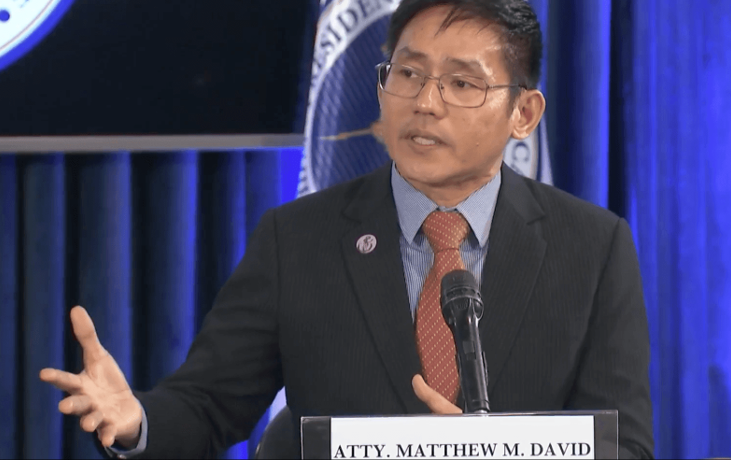
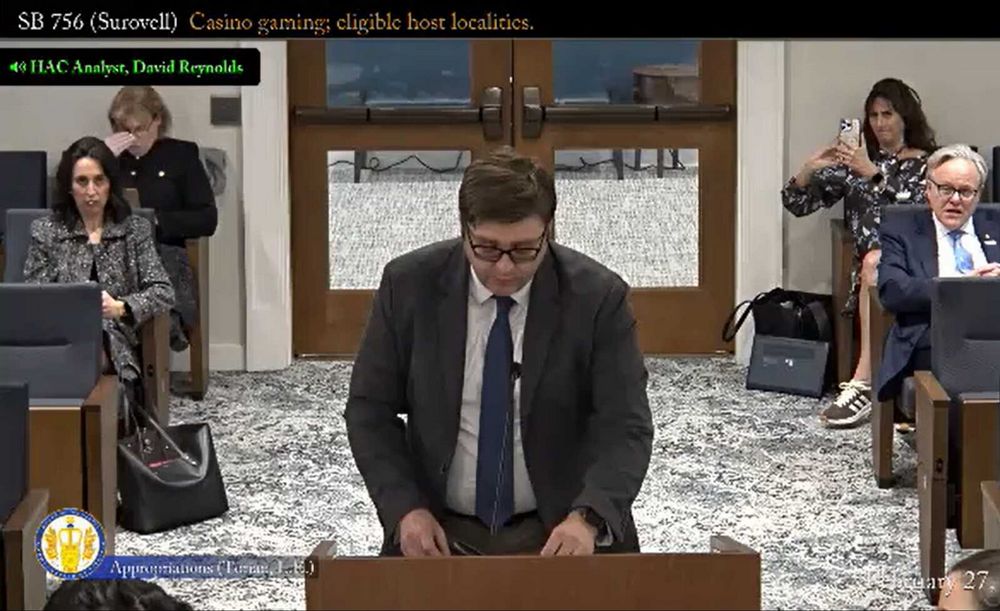
Paul Moriarty – member of Senate committee in New Jersey-
SB 2160 defines micro-betting as wagers placed on immediate in-game events, such as predicting whether the next baseball pitch will be a strike or whether the next football play will be a run or a pass. If enacted, sports books would be prohibited from offering or accepting these types of bets, with violations classified as minor offenses carrying fines between $500 and $1,000 per incident.

Patrick Diegnan – member of Senate committee in New Jersey-
The economic context underscores the potential impact. In 2025, New Jersey recorded over $10.9 billion in sports betting handle, generating approximately $1 billion in Gross Gaming Revenue (GGR). While micro-betting is not officially broken out, it plays a key role within live betting, a segment that can account for up to 50% of total wagering volume on digital platforms.

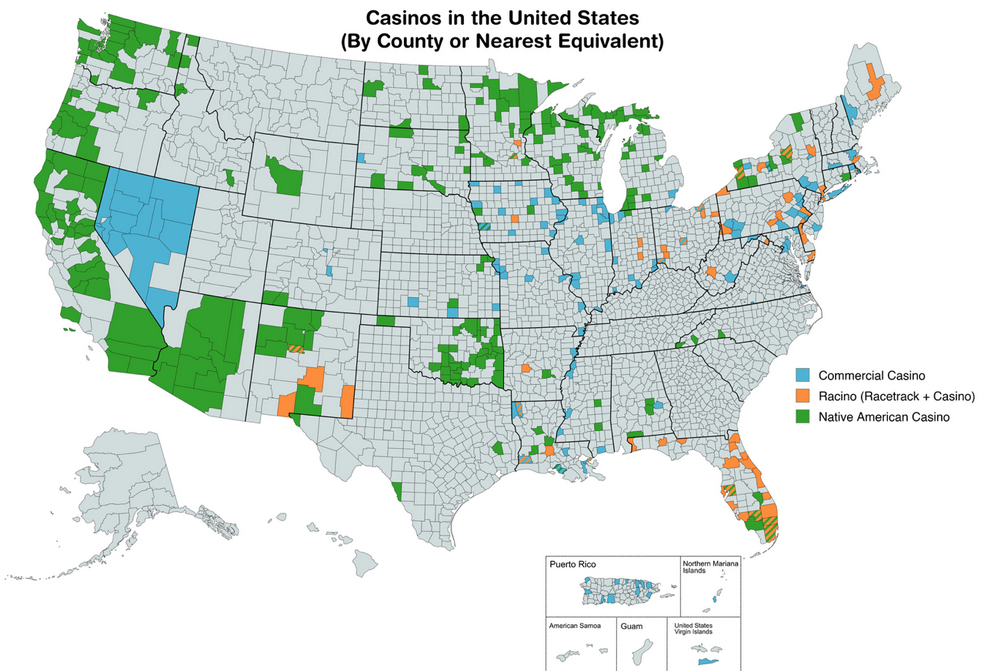
At the national level, the U.S. betting market exceeds $120 billion annually, meaning regulatory shifts in New Jersey could influence policy trends across other states.
Supporters of the bill argue that micro-betting increases risks related to match integrity and compulsive gambling, while industry stakeholders warn of potential declines in engagement and operator revenue. The bill’s progress signals a broader shift in the U.S. market—from rapid expansion toward tighter operational control and consumer protection.