








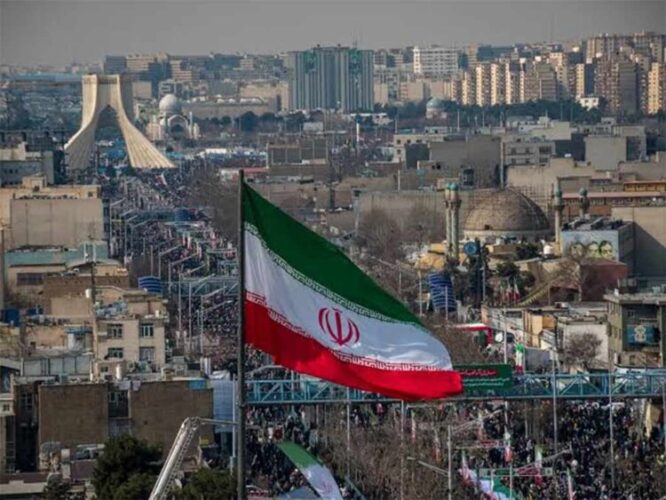
Israeli police have opened an investigation into a large Polymarket wager that correctly predicted a U.S. strike on Iran on Feb. 28, raising questions about whether the trade was driven by inside information rather than public signals. NEXT.io reports the bet generated roughly US$430,000 in gross profit for an account identified as “Magamyman,” and authorities are examining the timing and sourcing of the activity.
The case lands amid eye-catching volumes in geopolitics-linked “event contracts.” Reporting based on Polymarket data says US$529 million was traded across contracts tied to the timing of the attacks, with payouts favoring traders who selected Feb. 28 as the strike date; a further US$150 million traded in now-disputed contracts tied to Iran’s leadership outcomes.

Market-integrity concerns intensified after analytics firm Bubblemaps flagged behavior consistent with potential information advantages: six newly created accounts reportedly profited around US$1.0–1.2 million, with funding activity clustered in the hours before the event window.
Beyond legality, the reputational risk is growing. Polymarket has recently archived a controversial “nuclear detonation” market after online backlash, underscoring how quickly certain contract categories can become brand-toxic even when framed as “forecasting.”
In Washington, scrutiny is converging on governance. The CFTC’s chair has publicly emphasized the agency’s role overseeing event contracts and signaled a push toward clearer rules—pressure that could accelerate after high-profile war-related markets.