






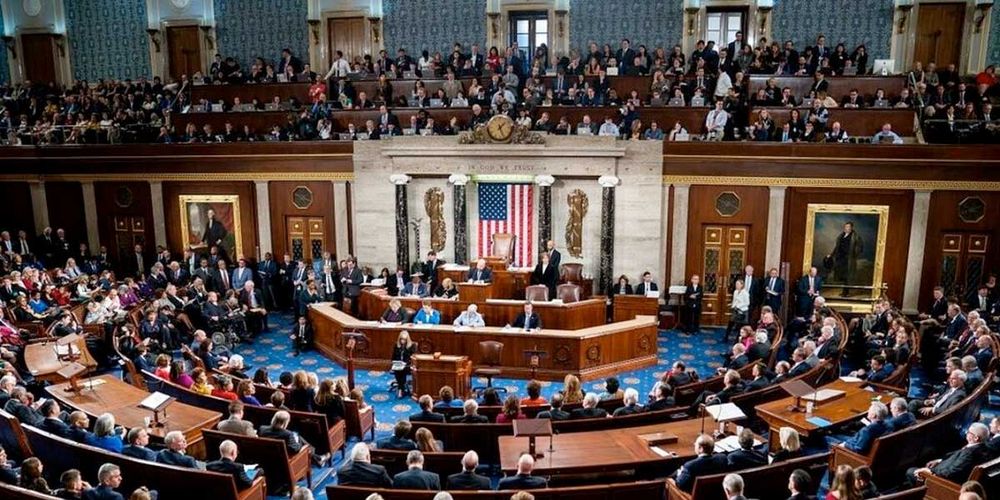




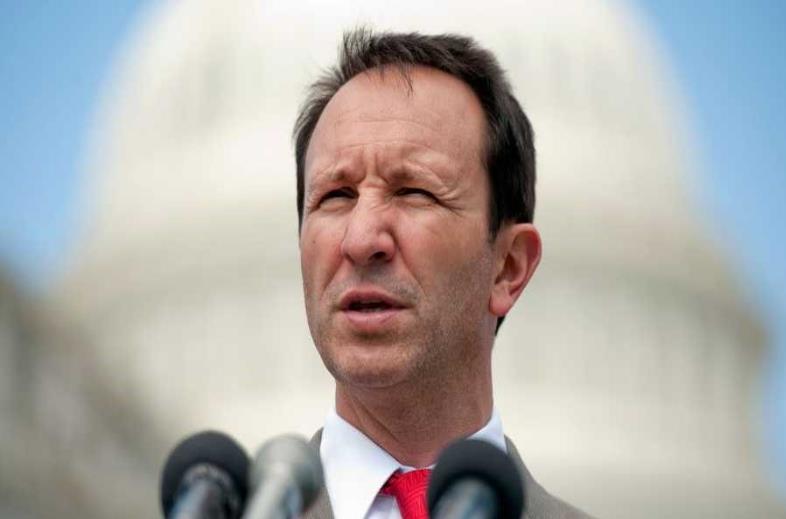

On March 23, 2026, U.S. senators introduced the federal bill “Prediction Markets Are Gambling Act,” a bipartisan effort aimed at banning sports betting within prediction market platforms, directly targeting operators such as Kalshi and Polymarket.

The proposal is led by Adam Schiff (Democrat) and John Curtis (Republican), marking the first direct congressional move to classify these platforms as gambling rather than financial instruments. Currently, they operate under the oversight of the Commodity Futures Trading Commission (CFTC), leveraging the framework of the Commodity Exchange Act.
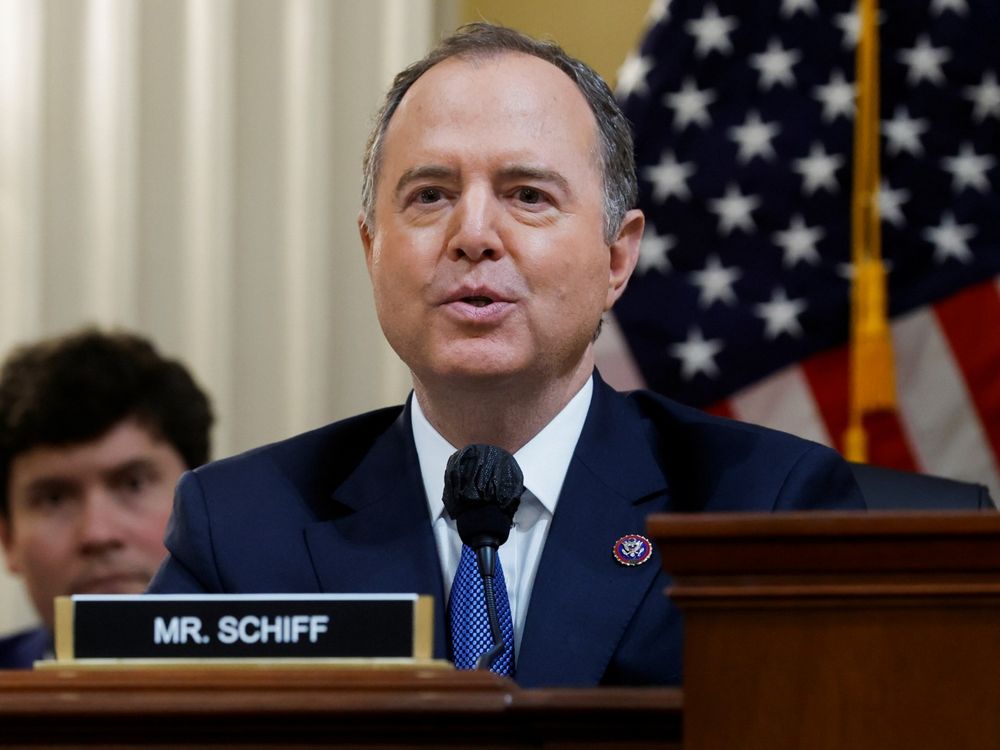
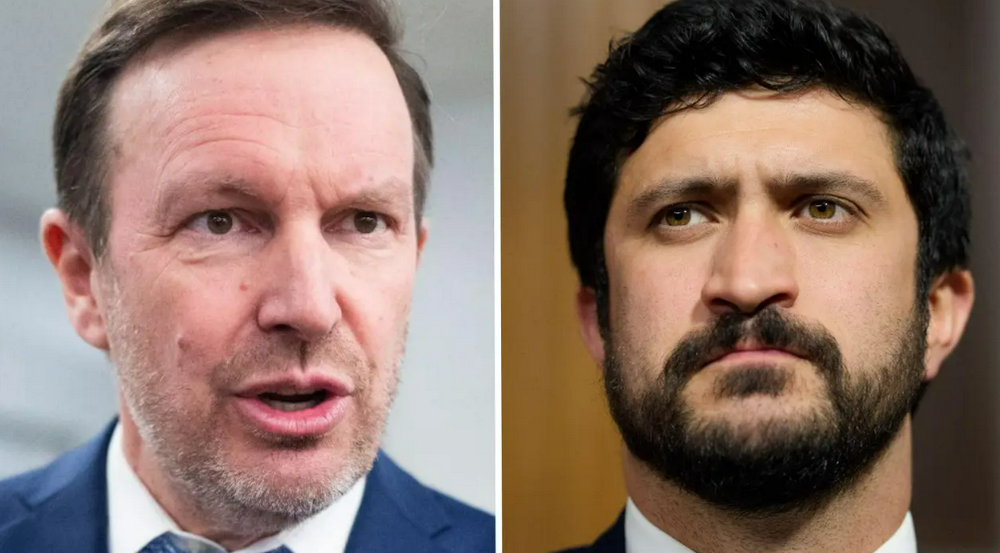
Adam Schiff -democratic senator-
The bill seeks to prohibit contracts tied to sports outcomes and restrict any gambling-like products, including casino-style offerings. The financial scale behind the move is significant: prediction markets generated more than US$4.5 trillion in volume during the latest Super Bowl cycle, while platforms like Kalshi derive up to 90% of their activity from sports-related contracts. Additionally, major events such as March Madness have already exceeded US$100 million in trading volume on these platforms.

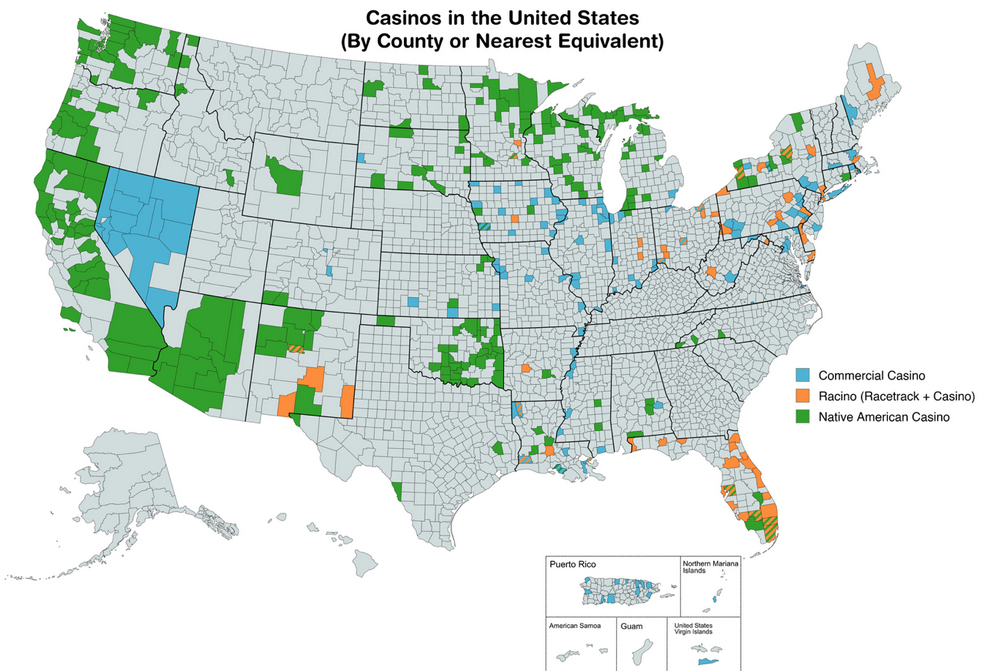
At the same time, the conflict has escalated at the state level. Jurisdictions including Nevada, Arizona, Michigan and Massachusetts have taken legal or administrative action, arguing that these operations constitute unlicensed gambling. In Arizona, authorities have filed 20 criminal charges, while Nevada has imposed temporary restrictions. Additional pressure is building in states like Georgia, where legal challenges are also emerging.
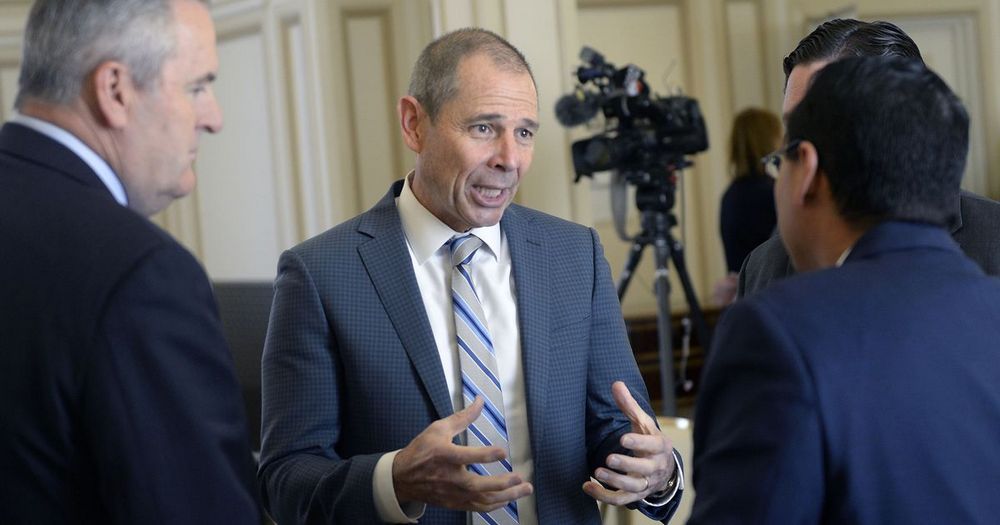
John Curtis -republican senator-
The debate revives key precedents such as Murphy v. NCAA (2018), which allowed states to legalize sports betting and shaped today’s fragmented regulatory landscape. The broader U.S. sports betting market now exceeds US$120 billion in annual handle, intensifying the stakes around jurisdiction and control.
If passed, the bill would shift authority from federal financial regulators to state gambling frameworks, fundamentally reshaping a market that sits at the intersection of finance and betting—and determining who controls billions in digital wagering flows across the United States.


