









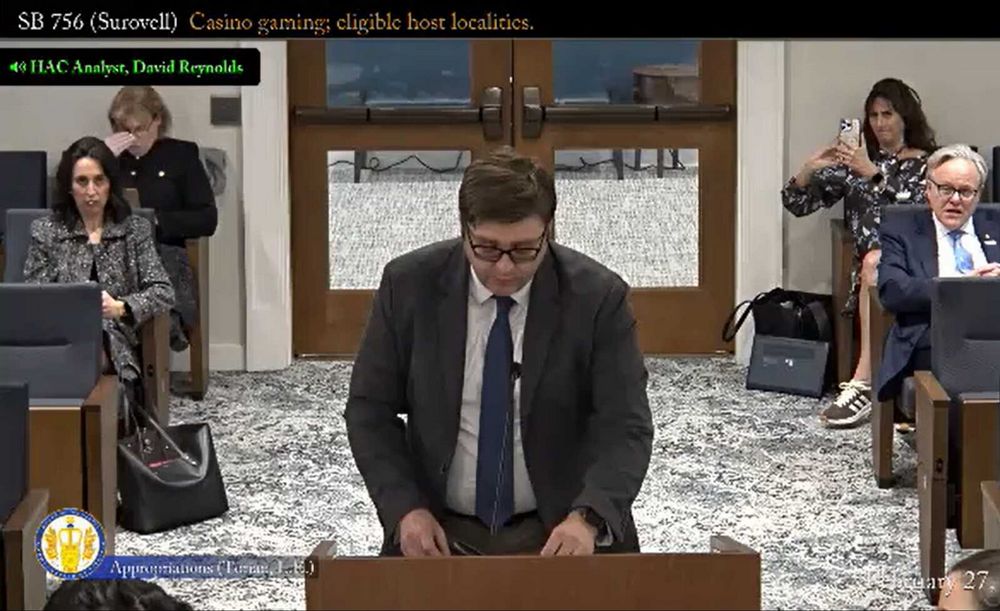

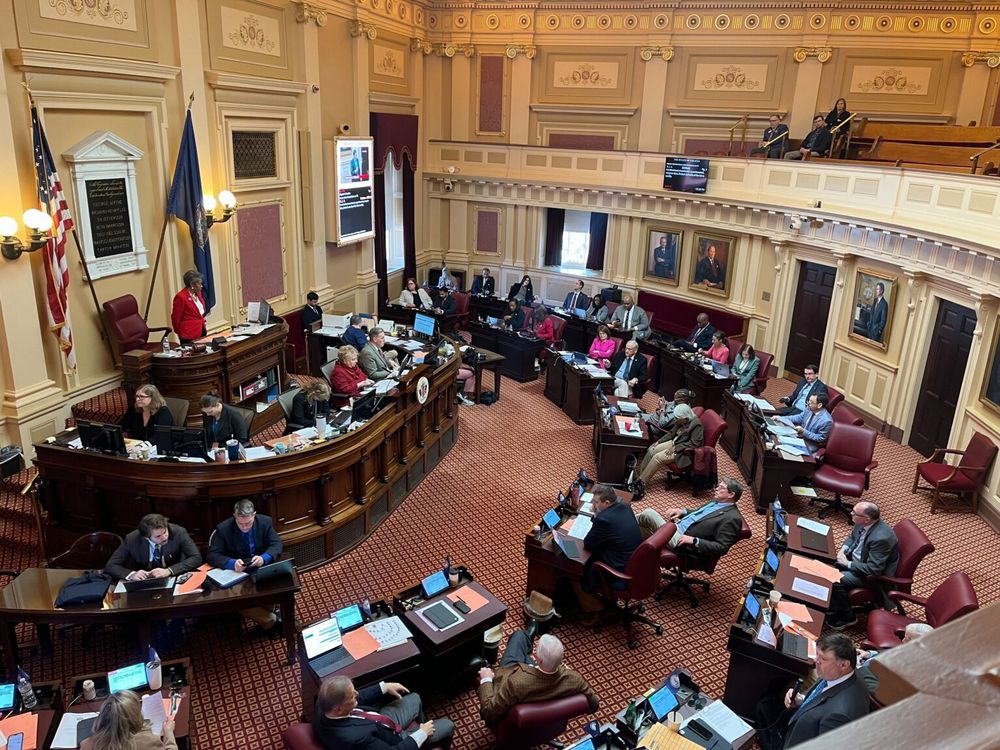
Virginia’s push to legalize regulated online casino gaming (including online poker) cleared a major hurdle this week, with the state Senate ultimately passing a substitute version of SB 118 on a 19–17 vote after an earlier floor defeat and a subsequent reconsideration. The procedural whiplash underscored how divided lawmakers remain on expanding gambling beyond the state’s existing retail casinos and legal sports betting.
If enacted, SB 118 would authorize internet gaming under the Virginia Lottery Board, limiting eligibility to existing casino gaming operators in “eligible host cities.” The proposal sets a $500,000 initial license fee for a term of five years (or the remainder of the underlying casino license, if shorter).

A key cost driver is the platform structure: each casino operator could run up to three internet gaming platforms, with a $2 million platform fee per platform and a $1 million renewal fee per platform at license renewal. On taxation, the bill imposes a 15% tax on adjusted gross internet gaming revenue.
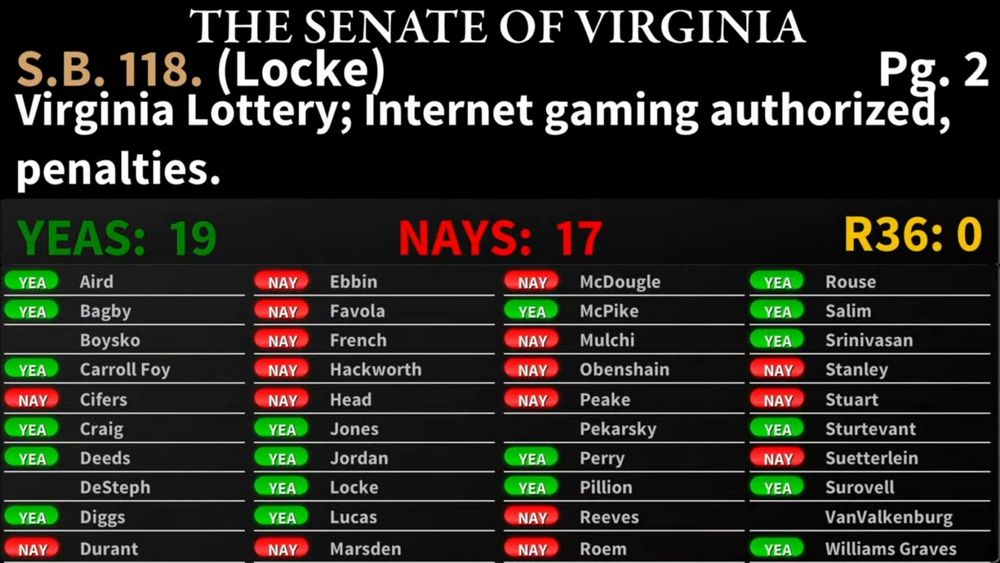
Revenue allocation is also defined with precision. Five percent of the tax revenue would go to the Problem Gambling Treatment and Support Fund. Until Jan. 1, 2030, another 6% would fund an Internet Gaming Hold Harmless Fund designed to offset verified revenue losses for casino operators attributed to internet gaming; the remaining 89% flows to Virginia’s general fund during that period. After 2030, the general fund share rises to 95% as the hold-harmless allocation sunsets.
The bill also tightens enforcement against gray-market activity. Operating internet gaming without a license would be a Class 6 felony, with fines up to $25,000 for individuals and up to $1 million for non-natural persons, while certain illegal sweepstakes conduct could trigger civil penalties of up to $100,000 for a first offense and $250,000 for subsequent offenses, with each day treated as a separate offense.
Implementation milestones include a requirement for the Lottery Board to promulgate regulations by Sept. 30, 2026, and for the Lottery Director to begin accepting platform notices of intent on July 1, 2026—timelines that will matter to operators modeling market-entry costs and launch sequencing if the House of Delegates takes up the measure.