


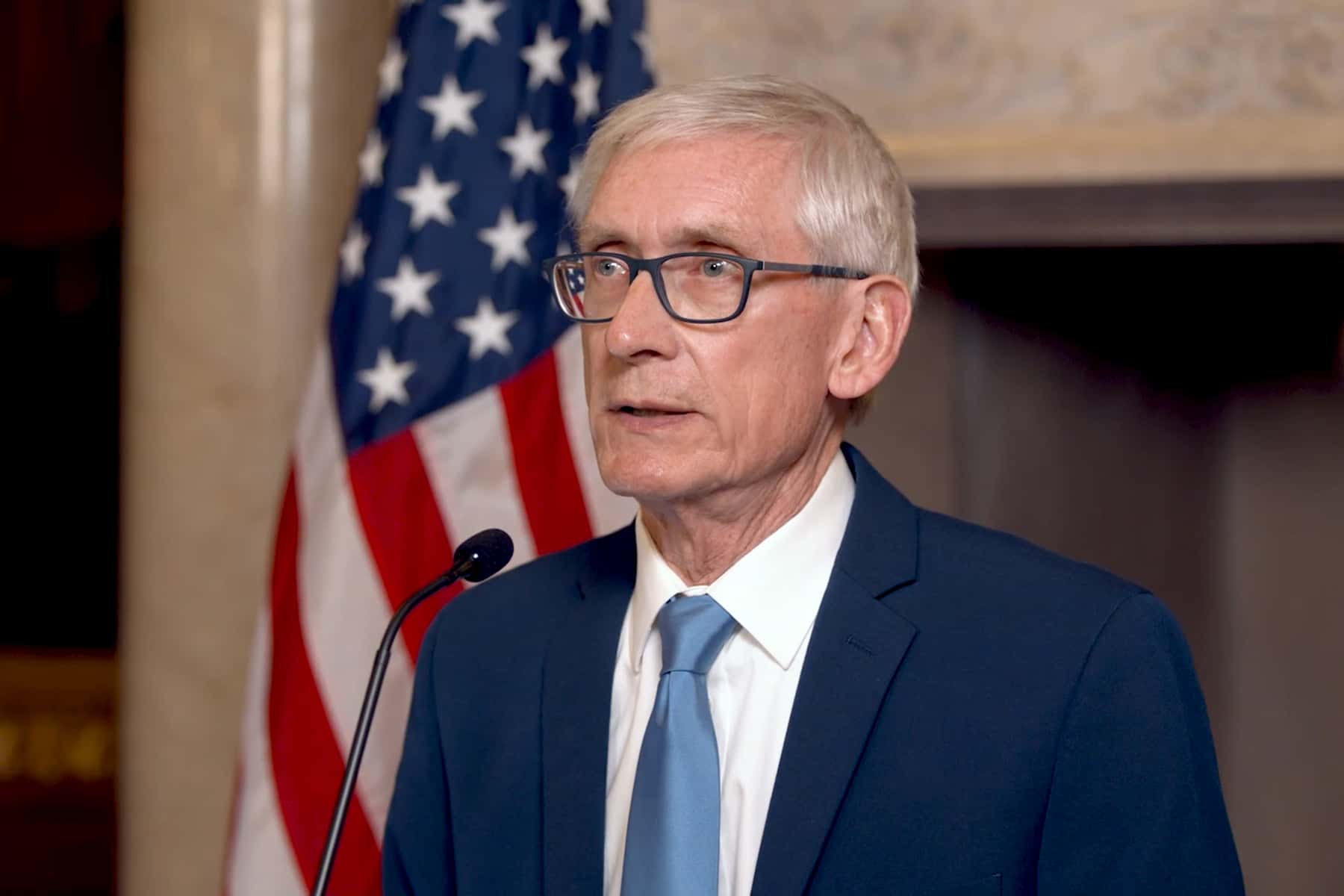



Wisconsin is suddenly one signature away from a major expansion of legal wagering, but the bill now on Governor Tony Evers’ desk is moving toward a legal fight almost as quickly as it is moving toward potential enactment. The proposal, AB 601 / SB 592, would allow statewide mobile sports betting under a tribal-controlled “hub-and-spoke” model, where wagers placed anywhere in Wisconsin would be processed through servers located on tribal land. The Wisconsin Senate approved the measure 21-12 on March 17, sending it to Evers after the Assembly had already advanced the same framework.

The commercial significance is obvious. If signed and implemented, Wisconsin would join the growing list of U.S. states with legal online sports betting, but with a distinctly tribal architecture. Supporters argue the bill would keep more wagering activity inside Wisconsin’s legal system rather than leaving it to offshore sites and out-of-state channels. Dominic Ortiz, CEO of Potawatomi Casino & Hotel, told WISN that tribes are ready to move and that the model could help “bring that value back to Wisconsin.” Support from tribal governments has also been framed around the interests of all 11 federally recognized tribes in the state.

But the legislation is already facing a serious constitutional warning. The Wisconsin Institute for Law & Liberty (WILL) has said it expects the measure to end up in court if Evers signs it. In a November 2025 memorandum, WILL argued that the bill violates Article IV, Section 24 of the Wisconsin Constitution, which bars the Legislature from authorizing gambling, and also clashes with the Indian Gaming Regulatory Act (IGRA) by trying to treat bets placed off tribal land as if they occur on tribal land simply because the server is there. WILL deputy counsel Lucas Vebber told WISN that the core legal argument is straightforward: the Legislature is trying to use authority that Wisconsin voters took away from it.

The governor’s position remains cautious rather than fully committed. WISN reported that Evers has not said whether he will sign the bill and has previously raised concern that not all Wisconsin tribes are on board. Even if he does approve it, the rollout would not be immediate. AP reporting notes that statewide mobile betting would still require new tribal agreements before it could go live, meaning implementation would likely take months rather than weeks.
That leaves Wisconsin at a pivotal point. The state is not simply debating whether to expand sports betting; it is testing whether a tribal-led statewide mobile model can survive constitutional scrutiny, federal gaming law questions and uneven political support at the same time. The governor’s decision may open the market, but the courts may decide whether it can stay open.