










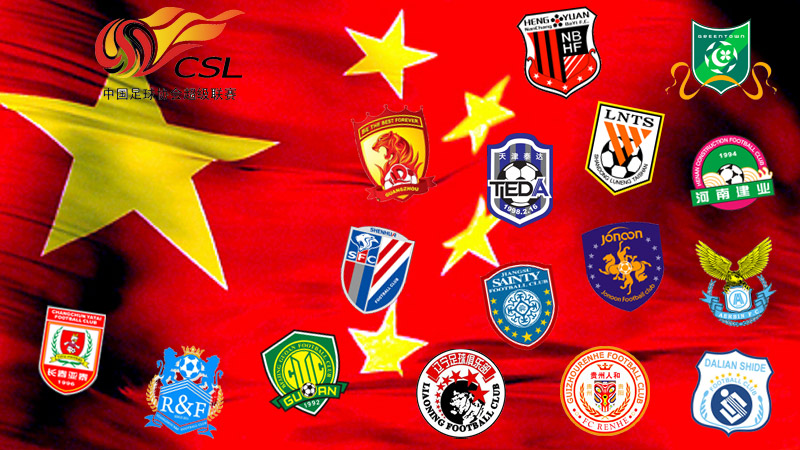
The Chinese Super League (CSL) began its 2026 season on 6 March under an unusually heavy integrity cloud after the Chinese Football Association (CFA) imposed sweeping sanctions for match manipulation, bribery and illegal betting-linked conduct. As reported in Spanish gaming trade press, nine of the league’s 16 clubs started the campaign with negative points, a rare opening-day scenario designed to signal a “zero tolerance” reset.
The CFA’s disciplinary action followed investigations into irregularities across 13 professional clubs, resulting in points deductions ranging from -5 to -10 and accompanying financial penalties. Two of the highest-profile hits landed on Shanghai Shenhua (2025 runner-up) and Tianjin Jinmen Tiger, both docked 10 points and fined 1 million yuan (around US$144,000). The reigning powerhouse Shanghai Port was also sanctioned, beginning the season with a five-point deduction, while Beijing Guoan was among the other clubs cited in reporting.

Beyond club-level punishment, the crackdown widened into a broader “purge” of individuals. Industry coverage cited 73 lifetime bans handed down to football-related personnel, reflecting a regulatory push to deter repeat conduct and restore credibility with fans and sponsors. In parallel, the scandal sits within a larger anti-corruption backdrop: former China head coach Li Tie—a one-time Premier League player—was sentenced to 20 years in prison in 2024, and ex-CFA president Chen Xuyuan received a life sentence in a separate case, according to China Daily.
The CSL season is scheduled to run through 8 November, meaning the sporting narrative will unfold in real time under sanctions that can materially alter relegation and continental-qualification battles. For the betting ecosystem, the message is unmistakable: integrity failures are no longer treated as isolated incidents but as systemic threats—met with punitive points, fines and career-ending bans.