










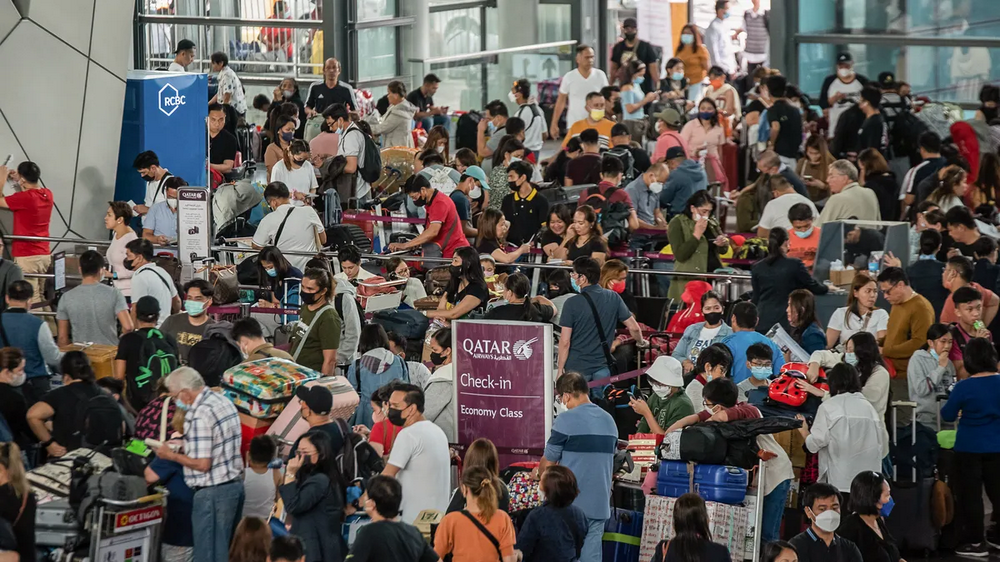
The Philippines welcomed 6,484,060 visitor arrivals in 2025, up 0.76% year-on-year, according to Department of Tourism figures reported in industry coverage. The total included 5,940,975 foreign visitors (up 0.27%) and 543,085 returning overseas Filipinos (up 6.41%), showing that modest headline growth still masks meaningful shifts inside the mix.
Momentum strengthened sharply at year-end. Foreign arrivals were running more than 3% lower through the first 11 months of 2025, before a December surge to 625,484—the highest monthly tally since January and 20.2% higher than December 2024. Source-market composition matters for gaming: South Korea remained the top market with 1,346,301 arrivals in 2025 despite an 18.49% decline, while China delivered 237,101 arrivals (down 14.27%) and slipped from 4th to 6th place, behind South Korea, the United States, Japan, Australia, and Canada.

For integrated resorts, that mix is not cosmetic. A Maybank analysis cited in trade reporting noted that combined GGR across Entertainment City casinos fell 15% year-on-year to PHP 99.4 billion (US$1.68 billion) in 9M25, partly attributed to fewer “fly-in” VIP players—illustrated by 50% lower VIP GGR at Bloomberry’s Solaire Entertainment City property over the same period. The same research suggested VIP volumes could improve in 2026, but warned the recovery may take several quarters to fully translate into headline results.
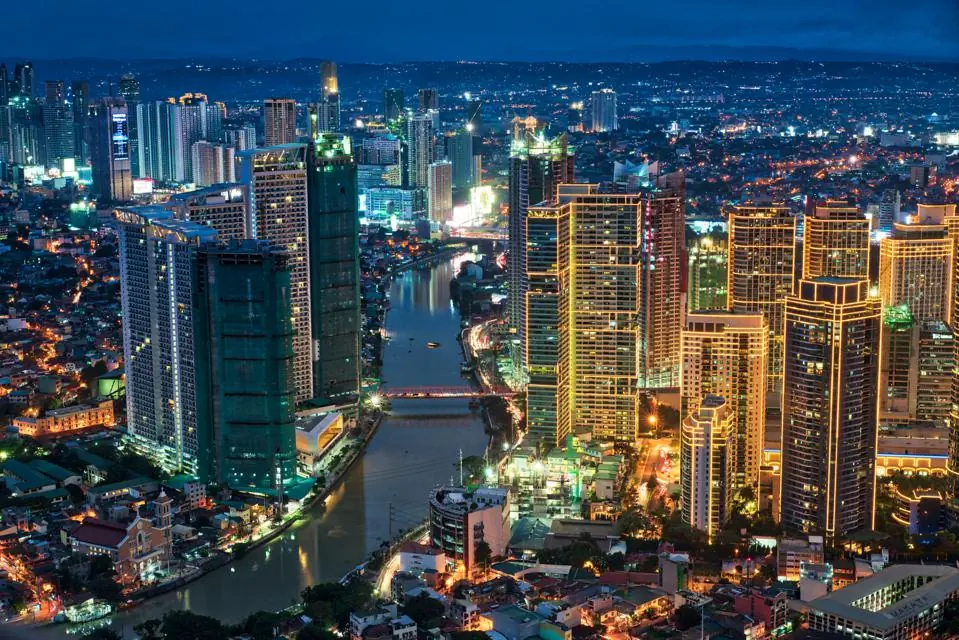
That is where 2026’s policy tailwind comes in. The Philippine government has introduced visa-free entry for Chinese nationals for up to 14 days effective 16 January 2026, a change widely viewed as supportive for Manila’s integrated resorts and premium-play segments that are sensitive to cross-border travel.
On the macro side, regulator PAGCOR previously projected 2025 gross gaming revenues of PHP 450–480 billion after a 2024 record of PHP 410.5 billion, with growth driven by electronic gaming and integrated resorts. In this context, inbound tourism quality—how many visitors arrive from high-value gaming markets, and how often they return—becomes a key variable for land-based operators.
Competition will also tighten. Analysts have pointed to new capacity expected in Entertainment City in 2026, while tourism authorities have indicated continued marketing focus on markets including the U.S., South Korea, Canada, China, India, and the Middle East to rebuild volumes—especially the vital South Korean segment.