

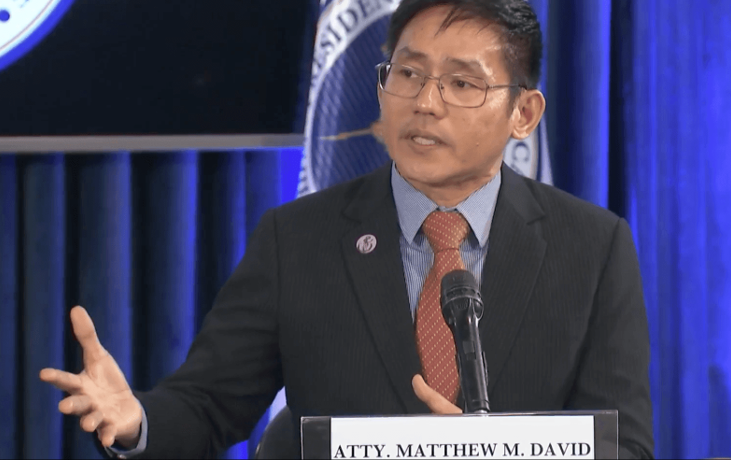








On March 26, 2026, Anti-Money Laundering Council (AMLC) entered a critical transition as it searches for a new executive director following the departure of Matthew David, the official credited with steering the country out of the Financial Action Task Force “grey list” in 2025.

David, who has requested a transfer to the Bangko Sentral ng Pilipinas, leaves at a pivotal moment. His tenure was defined by aggressive enforcement under the Anti-Money Laundering Act (RA 9160), which helped address the deficiencies that led to the Philippines being grey-listed in 2021—including weak oversight of casinos, cross-border cash flows, and junket-linked transactions.

The stakes are high. The AMLC recently froze PHP 27.8 billion (US$462 million) tied to corruption-linked funds, involving 862 individuals and 648 entities. Crucially, at least US$17 million of those funds were traced through Philippine casinos, reinforcing long-standing concerns over the gaming sector’s exposure to illicit financial flows.
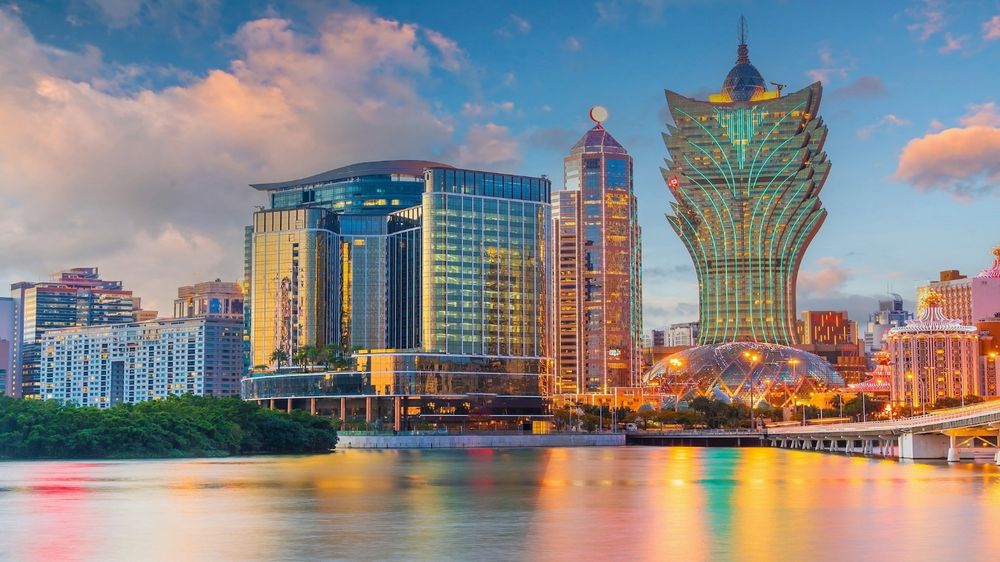
The leadership vacuum comes ahead of a new FATF evaluation cycle in 2026, raising the risk of renewed international scrutiny if enforcement weakens. For a country where gaming—spanning integrated resorts, casinos, and digital platforms—generates billions in annual revenue, the implications are structural.
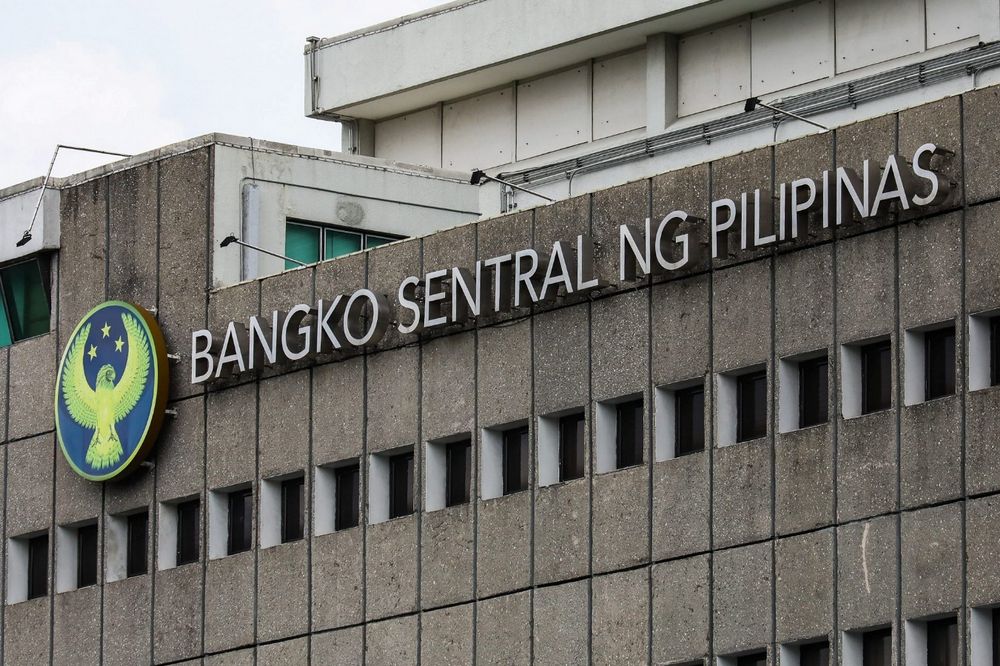
During its time on the grey list, the Philippines faced tighter financial monitoring, reduced investor confidence, and higher transaction costs. Its removal in 2025 reopened access to global capital flows, a key factor behind the sector’s ongoing expansion.
Now, the challenge is maintaining that status. For the gaming industry, AML compliance is no longer peripherality defined by market access. The transition at AMLC underscores a broader reality: in the Philippines, the future of gaming is inseparable from the credibility of its financial controls.