







South Korea took a decisive regulatory step on March 31, 2026, signing a multi-agency agreement to improve working conditions in its casino industry, which employs 9,098 workers and generates approximately KRW 3.23 trillion (≈$2.3 billion) in annual revenue.

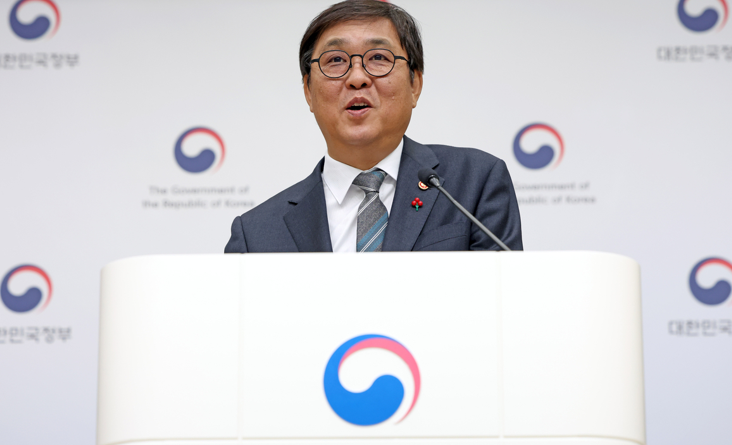
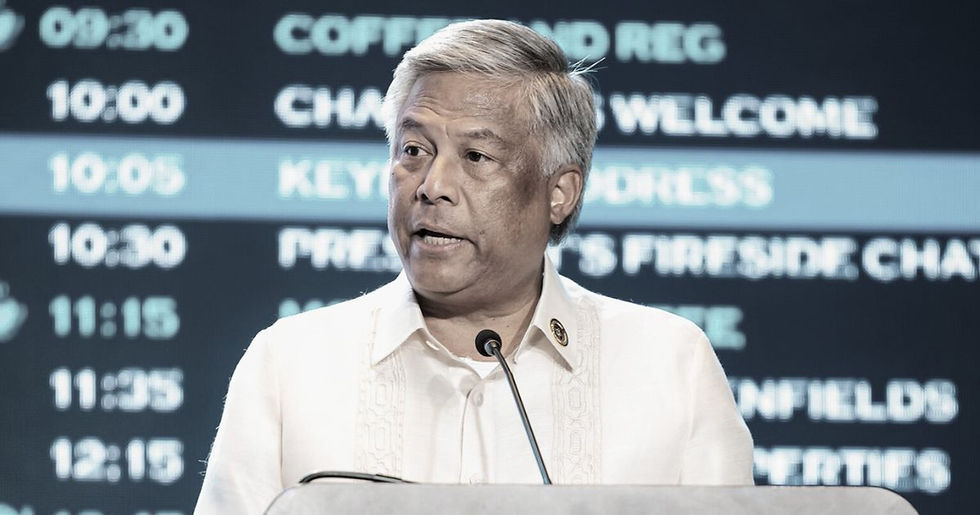
The agreement was led by the Ministry of Culture, Sports and Tourism, headed by Minister Chae Hwi-young, alongside the Jeju Special Self-Governing Province (Governor Oh Young-hun), the Korea Casino Association, and the Service Federation Tourism & Leisure Industry Labor Union. The signing was represented by Second Vice Minister Daehyun Kim, who emphasized that worker protection is essential to the sector’s long-term sustainability.

Second Vice Minister Daehyun Kim
The scope covers the country’s 18 licensed casinos, operating under the Tourism Promotion Act, which largely restricts access to foreign visitors, except for Kangwon Land. Of these, the central government oversees 10 casinos, while Jeju regulates the remaining eight, reflecting a dual national-regional oversight structure.

While the agreement does not amend existing laws such as the Labor Standards Act, it strengthens enforcement through enhanced inspections, protocols against customer abuse, and improved occupational health measures, including second-hand smoke exposure and workplace stress.
The economic backdrop remains strong: foreigner-only casinos recorded a 42.4% increase in visits in 2025, while operators like Kangwon Land posted revenue growth in 2025, albeit with pressure on net profitability.
The shift is structural. South Korea is not expanding its casino footprint but raising operational standards. In a competitive regional landscape against emerging hubs like Japan, the country is positioning labor conditions and compliance as pillars of long-term industry stability.