

















Brazil has introduced one of its toughest responsible-gambling measures to date by restricting online betting access for thousands of low-income citizens who receive Bolsa Família social benefits. Under a new national directive, all regulated sportsbooks and iGaming platforms must immediately block accounts belonging to beneficiaries of Bolsa Família or the Continuous Benefit Payment (BPC).
The order follows coordinated action between the Supreme Federal Court and federal audit authorities, who argue that welfare income—designed strictly for subsistence—cannot be diverted toward online gambling. Bolsa Família currently supports nearly 19 million families with a minimum monthly transfer, while BPC provides a full minimum wage to elderly citizens and persons with disabilities who fall below strict income thresholds.

Industry estimates suggest that the new restriction could affect up to 20 percent of active bettors in the regulated market, forcing operators to rapidly cross-reference federal CPF lists against their user databases. Any beneficiary found on the platform must be blocked, notified and refunded immediately.
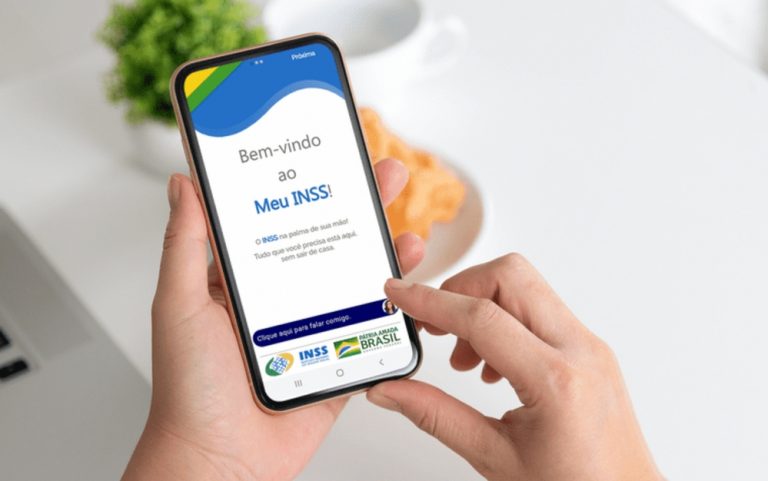
Government officials defend the measure as both a social-protection policy and a fraud-prevention tool. Recent federal audits indicated a rising number of suspicious betting patterns linked to CPF holders within social benefit programs, raising concerns about account misuse, third-party exploitation and potential criminal schemes.

The timing of this crackdown overlaps with another significant change for the Brazilian gambling sector: a new fiscal package advancing through the Senate that increases the tax burden on betting operators and narrows margins for fintech companies. Authorities project billions in extra public revenue over the next three years, marking a decisive shift toward tighter economic and social oversight of the industry.
Brazil to Restrict Use of Social Benefits for Gambling
With welfare beneficiaries now excluded and higher taxes on the horizon, Brazil’s regulated betting market enters a new era focused on protection, compliance and financial responsibility.