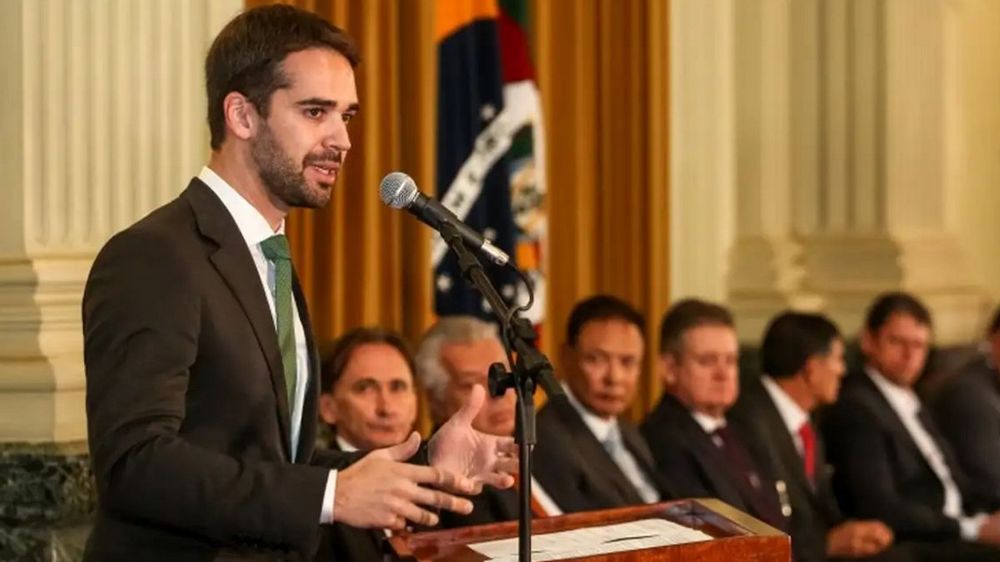





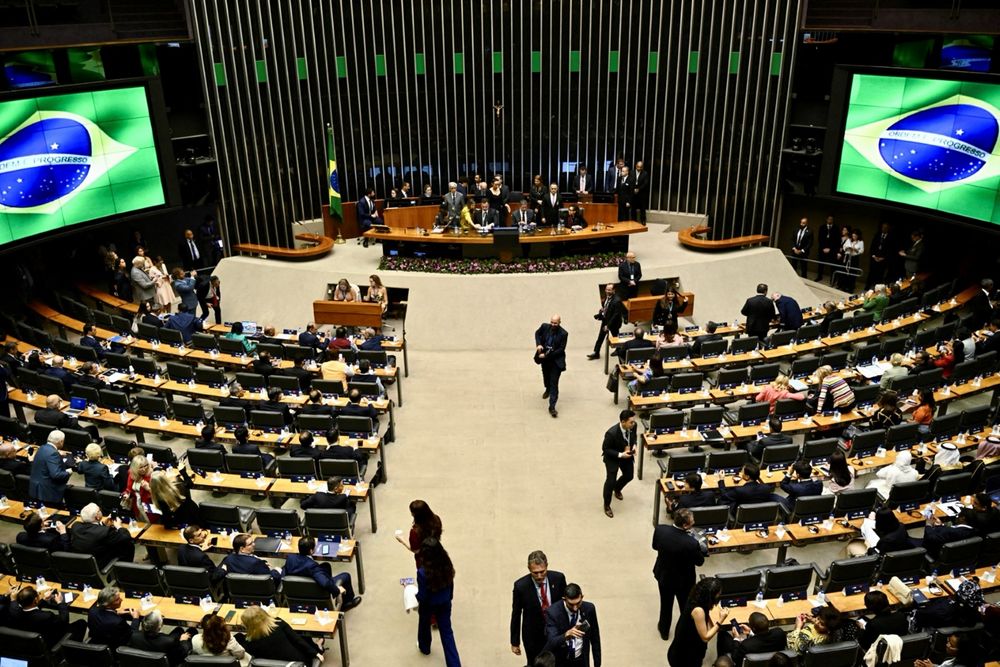






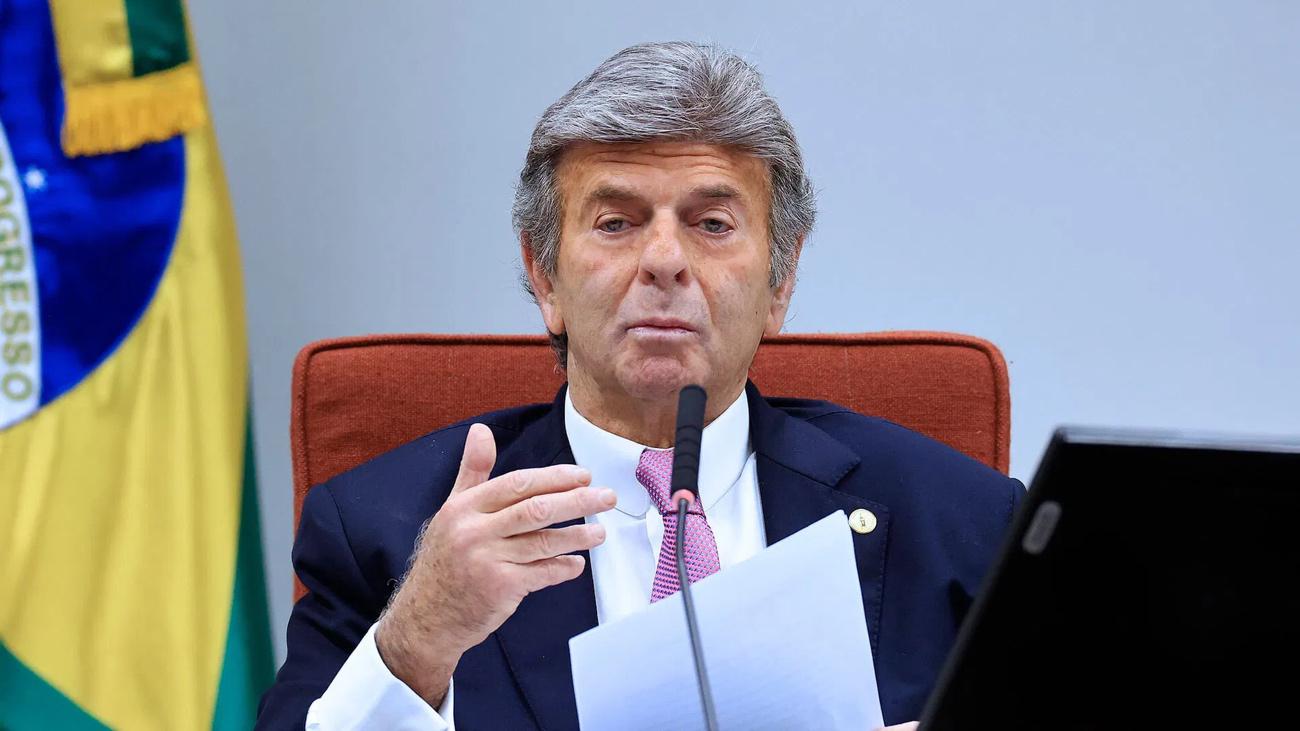
Brazilian President Luiz Inácio Lula da Silva said he will push for a law to ban “digital casinos” in Brazil, arguing that online casino-style games are fueling addiction, household debt and social harm—especially impacting women when family income “disappears on the phone screen.”
Lula’s remarks were delivered in a national address linked to International Women’s Day, where he framed online gambling as a “drama” inside Brazilian homes. In the official text published by the Planalto, Lula stated that “casinos are prohibited in Brazil” and said it makes no sense to allow games like “Jogo do Tigrinho” to enter households and push families into debt. He added he intends to work with the government, Congress and the Judiciary to stop these platforms from “destroying households.”

The statement lands amid a broader political backlash against the rapid growth of online betting products in Brazil. Media coverage in Brazil highlighted that Lula is calling specifically for legislation to prohibit online casinos, often referenced in the public debate through viral “slot-like” games such as “Tigrinho.”

At the same time, lawmakers are also advancing proposals that would tighten the ecosystem around legal betting. In early February, a Senate committee approved a bill that could ban advertising, sponsorship and promotion of fixed-odds sports betting and online games (“bets”), reflecting mounting concern about financial stress and mental-health impacts.
For operators and investors, the key takeaway is that Brazil’s regulatory direction is now being shaped as much by social-impact narratives as by market-structure questions—raising the probability of stricter limits on product, marketing and distribution in the months ahead.