












The UK’s Betting and Gaming Council (BGC) has signed a one-year cooperation agreement with Chile’s Agrupación de Plataformas de Apuesta en Línea (aPAL), a move both sides frame as technical support for Chile as it works toward a regulated online gambling market—potentially as early as 2027.
The BGC says its members represent about 90% of the UK’s regulated betting and gaming industry, while aPAL—created in 2022—brings together international online operators advocating for a modern licensing framework in Chile.

According to the parties’ published messaging, the cooperation focuses on sharing international evidence and regulatory know-how, strengthening the “knowledge base” around gambling regulation, and engaging with policymakers on a sustainable licensing model. Grainne Hurst, BGC chief executive, and Carlos Baeza, a Chilean lawyer representing aPAL, have positioned the pact as a way to protect players, reduce illegal activity, and support evidence-based policymaking.
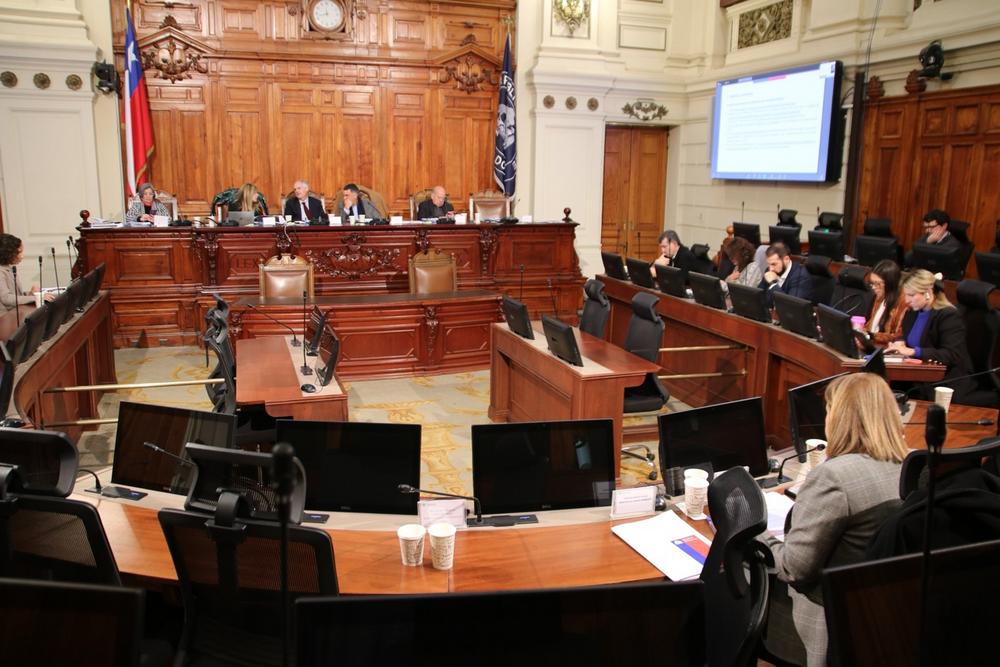
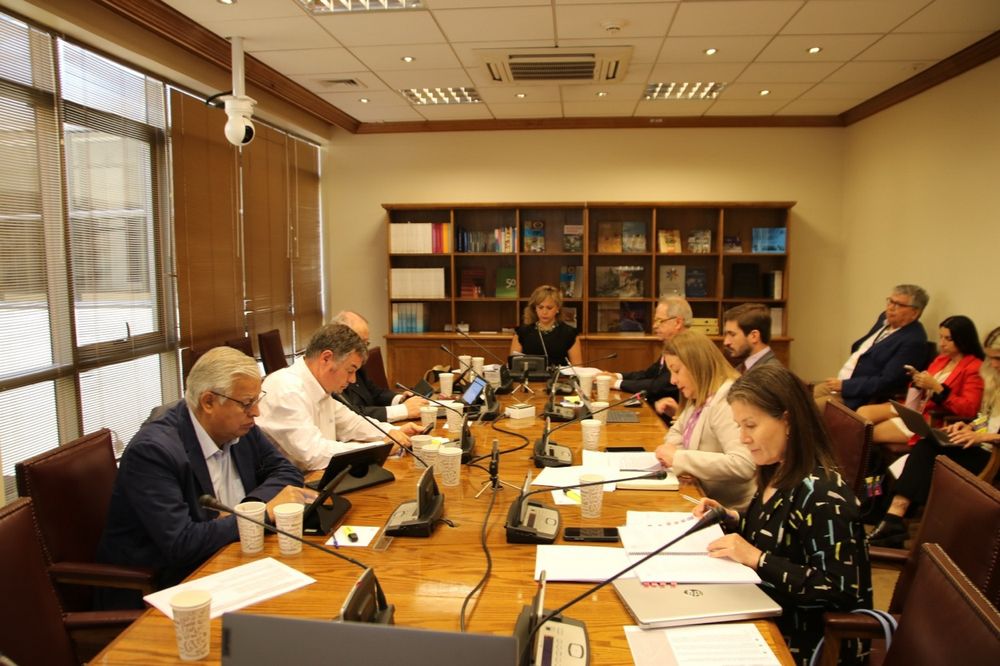
Chile’s legislative track is already defined. The online betting bill (Boletín 14.838-03) entered Congress on 7 March 2022 and is currently in the second constitutional stage. In Senate discussions reported by official channels, the bill was approved “in general” by 27 votes in favour, 3 against and 5 abstentions, and the government has stated the framework aims to protect players—especially minors—ensure transparency of funds, and create a competitive market alongside existing legal formats such as lotteries and horseracing.
The fiscal upside is explicit: government estimates cited in Senate communications suggest the regime could raise around CLP 84 billion per year once fully implemented—an argument frequently used to justify moving from a legal “grey area” to a supervised, tax-paying market.
Legal pressure is also part of the backdrop. A Supreme Court ruling in September 2023 found that unlicensed online sports betting lacked legal basis and reinforced that, under certain conditions, internet service providers can be required to block unlawful platforms—intensifying the case for a clear licensing system rather than ad-hoc enforcement.