







Colombia is facing a storm over censorship and regulatory overreach after it emerged that access to Swedish newspaper Expressen was blocked in the country shortly after it published a series of reports on the lifestyle and trips of First Lady Verónica Alcocer. At the center of the controversy is an unlikely actor: Coljuegos, the authority in charge of regulating gambling, now accused of being used as a political tool against the press.

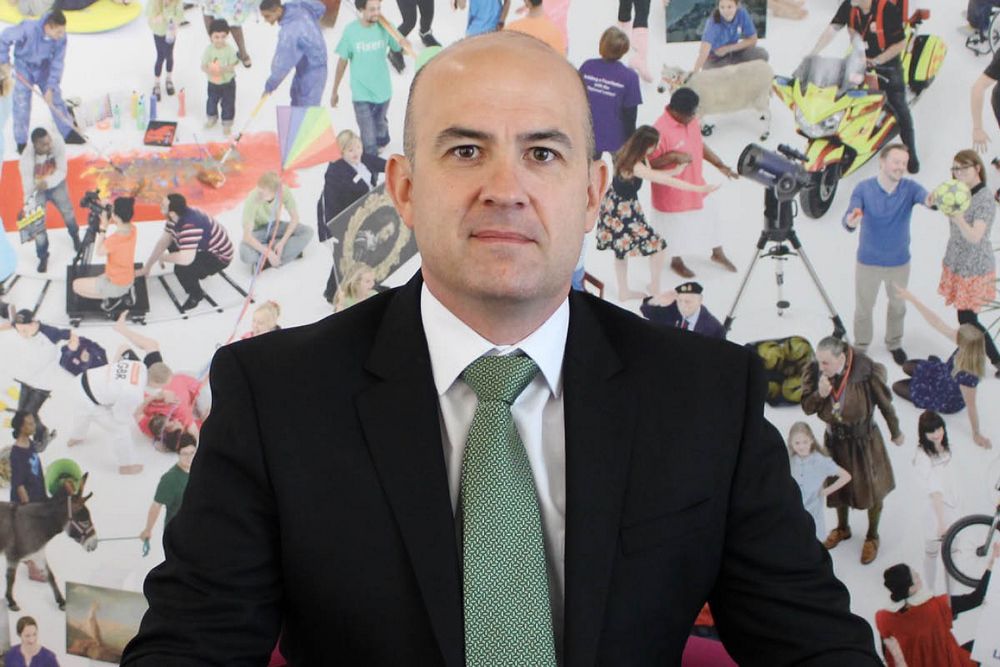
The current president of Coljuegos involved in numerous controversies related to Petro`s orders
The case surfaced when opposition congresswoman Katherine Miranda requested official information from the Ministry of Information and Communications Technologies (MinTIC). In its written response, MinTIC confirmed that the domain of the Swedish outlet appears on the official list of websites to be blocked in Colombia, a list that is compiled and sent by Coljuegos. Even more troubling is the date: according to the ministry, Expressen was added to that list on 31 October 2025, just days before the first article about Alcocer was published.

Formally, Coljuegos does have the power to request the blocking of websites that operate or promote illegal gambling. That mechanism has been used for years to fight unlicensed betting and offshore casinos that target Colombian players without authorization. What had never happened before is that a major foreign news outlet ended up on the same blacklist used for illegal gaming.
Once the blocking was denounced publicly, both Coljuegos and MinTIC tried to distance themselves from the political implications. MinTIC stressed that it does not decide who is blocked; it simply forwards the list it receives from Coljuegos to internet service providers. Coljuegos, for its part, argued that the domain had allegedly been reported as problematic as far back as 2021, under a previous government, because of links or advertising related to betting.
Those explanations leave serious gaps. If the inclusion really dated from 2021, why does the MinTIC reply show 31 October 2025 as the registration date? Why did Expressen remain accessible to Colombian readers for years and suddenly become unreachable only after publishing investigations into the presidential family? And why was a gambling regulator the institution managing a decision with such obvious political and diplomatic consequences?
For the gaming industry, the episode is more than a political scandal: it is a direct blow to the credibility and independence of the regulator. Coljuegos is supposed to be a neutral referee that guarantees legal certainty for licensed operators and investors, not an actor perceived as carrying out retaliation against critical journalism. Turning a technical tool to combat illegal gambling into a weapon in a political dispute—or even creating that perception—sets a shameful precedent in Colombia’s gambling history.
Press freedom organizations and industry observers are now calling for a transparent investigation. Whatever the final explanation—bureaucratic error, misclassification, or abuse of power—the damage is already done: the image of a regulator stepping far beyond its mandate and entering the political arena, in a way never before seen in Colombia’s gaming sector.