











Bulgaria’s parliament has rejected a controversial proposal to centralize the country’s entire gambling industry under a state-run monopoly, blocking an attempt to eliminate private operators from the market.
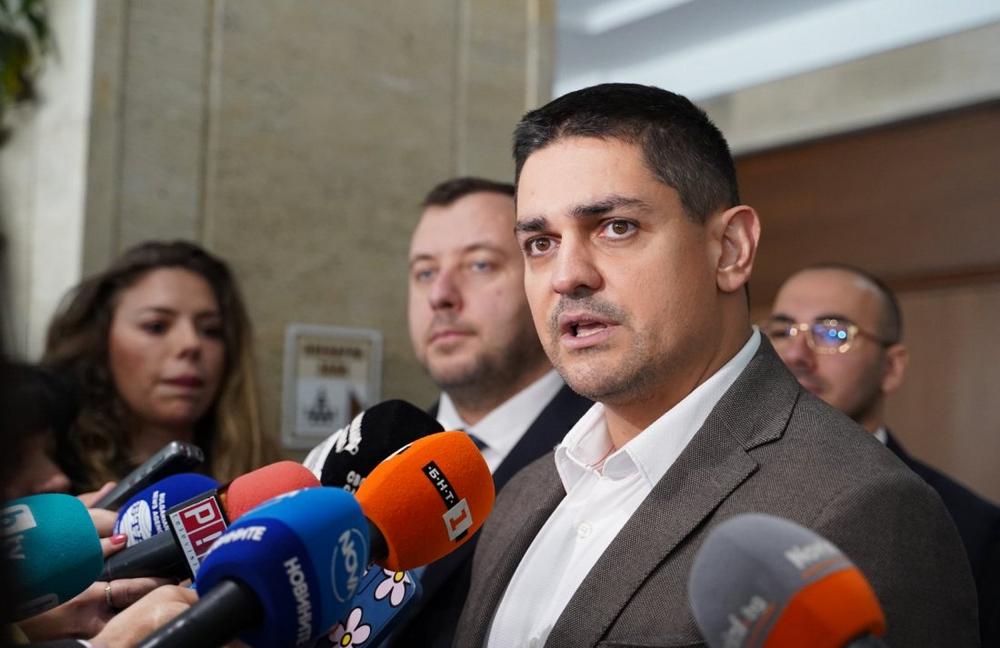
The bill, introduced by MECh party MP Hristo Rastashki and backed by the far-right Vazrazhdane party, sought to place all betting and gaming activity under the Bulgarian Sports Totalizator, the state lottery and sports betting operator. Lawmakers voted the measure down with 58 votes in favour, 14 against and 96 abstentions, well short of the 121 votes required for approval.

Supporters framed the proposal as a way to tighten control over gambling and curb addiction. Vazrazhdane MP Kliment Shopov called gambling a “social ill” and argued that only full state control — or even a complete ban — could address the problem. Rastashki claimed a monopoly would allow the state to decide whether gambling should be limited to funding sports and culture or phased out entirely.
Bulgaria raises gambling tax to 25% in budget bid to plug €3.9 billion deficit
Opponents warned the move would gut tax revenues and damage gambling tourism, with estimates of around €200 million in lost annual income if private operators were pushed out of the market. They also argued that a state monopoly would contradict constitutional principles on equal economic conditions and likely drive players toward illegal or offshore sites.

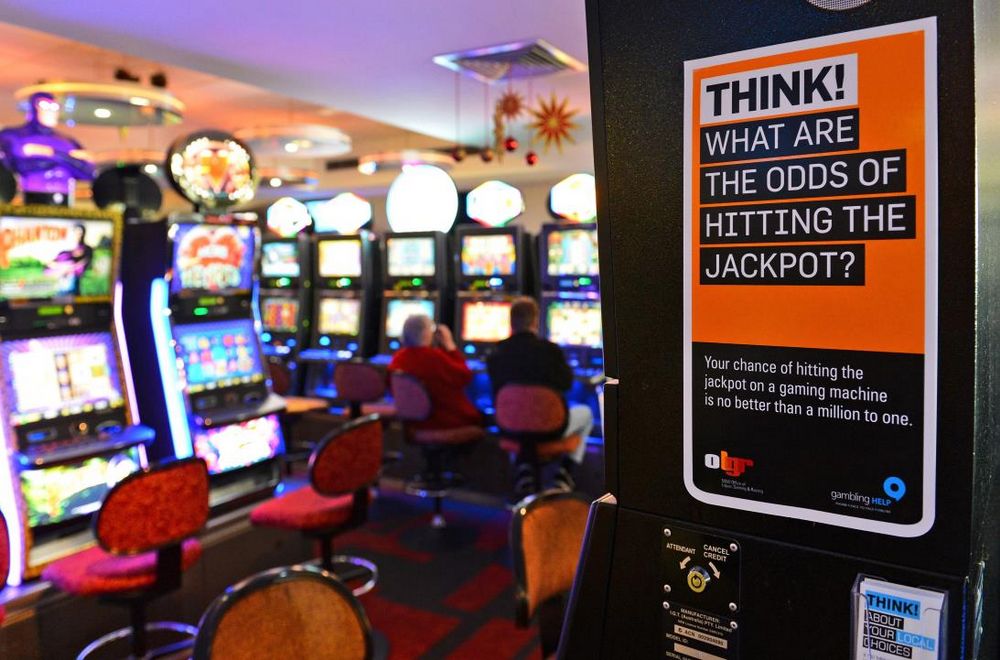
The failed bill comes as Bulgaria continues to debate how tightly it should regulate betting. While some lawmakers push for tougher restrictions and more state involvement, others favour improving enforcement of existing rules and maintaining a competitive, licensed private sector rather than shifting to a monopoly model.