
















Estonia has broken with Europe’s prevailing trend of higher gambling taxes by approving a cut to its online gambling levy from 6% to 4%, a move sold as a “pro-growth pivot” but one that is already testing the stability of the country’s liberal governing coalition.
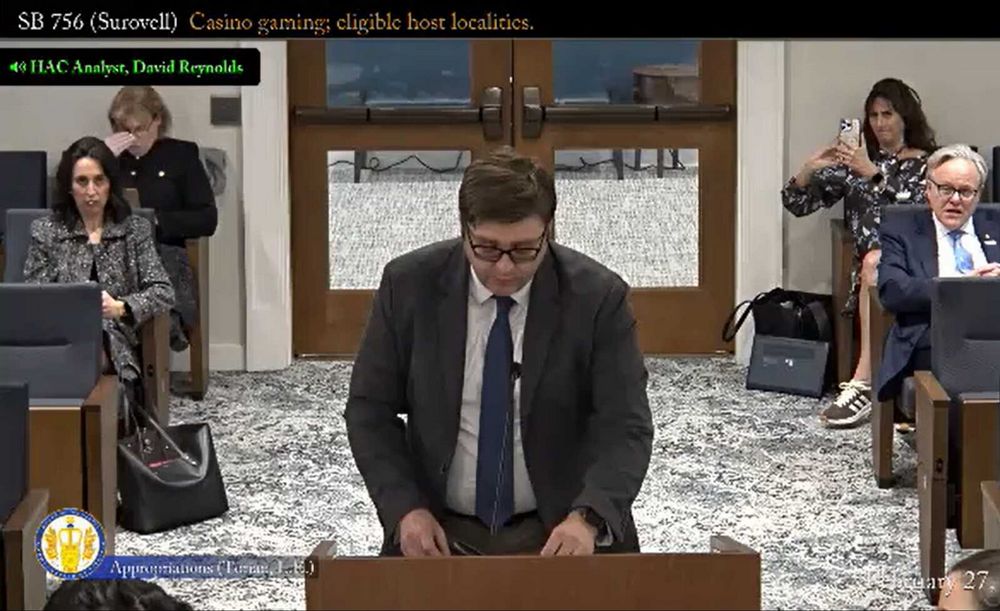
The Riigikogu passed the measure in a narrow 51–31 vote, overturning earlier government plans to raise the tax rate to 7%. Supporters argue that a lighter tax burden is essential if Estonia wants to compete with established iGaming hubs such as Malta, Gibraltar and the Isle of Man, and to position itself as a serious home for international operators.

Eesti 200 MP Tanel Tein, architect of the amendment, framed the reform as a long-planned part of the coalition agreement rather than an eleventh-hour concession. According to Tein, lowering the rate is about “future-proofing” Estonia’s digital gaming economy: attracting new investment, modernising oversight and, in the long run, growing the tax base rather than shrinking it.
Not everyone is convinced. The Ministry of Finance has warned that, if the expected expansion of the market fails to materialise, the state could lose up to €13 million in revenue by 2029 — at a time when Estonia, like many European countries, is facing mounting fiscal pressure. Opposition parties have seized on those estimates to attack the government for “cutting public income to please gambling interests”.

Tensions escalated further after former finance minister Mart Võrklaev claimed that Tein had effectively held the coalition hostage, threatening to bring down the government if the bill did not advance — a tactic he described as a “political suicide vest”. Prime Minister Kristen Michal and Eesti 200 leader Kristina Kallas deny any such ultimatum, insisting the reform was agreed long before internal frictions surfaced.
The tax cut will be phased in over the next two years. For now, Estonia is placing a calculated bet: that a friendlier tax regime will attract enough regulated online gambling business to offset short-term losses — even if the price is a much noisier domestic debate over the social and fiscal cost of betting on growth.