



Europe’s online gaming market continues to grow rapidly, but it is also facing increasing regulatory pressure. According to the European Gaming and Betting Association (EGBA) and consultancy H2 Gambling Capital, the gambling industry in the region generated €123.4 billion in 2024, of which €47.9 billion came from online gaming, representing around 39% of the total market. Projections indicate that the digital segment could surpass €58 billion by 2028.
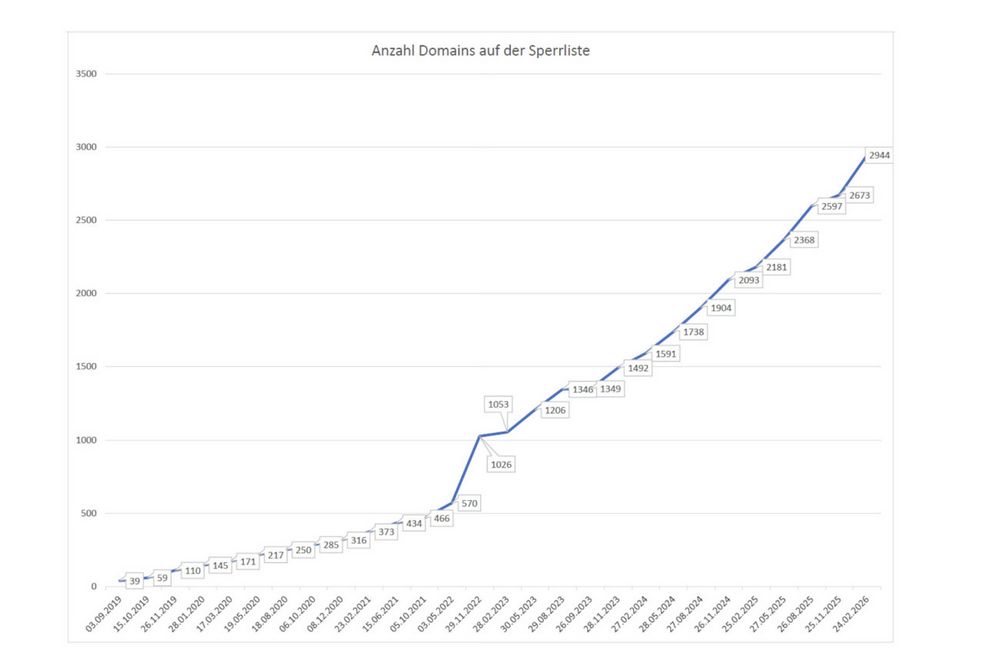
However, a significant share of this activity takes place outside national regulatory systems. Industry studies estimate that between 20% and 30% of online gambling in Europe occurs on platforms without a local license, a phenomenon often referred to as the “grey market.” In some countries the figure is even higher: in Germany it is estimated that up to 50% of online gambling occurs through unauthorized operators, while in Sweden the proportion is close to 23%.

This context has led to a surge in litigation against digital casinos. In Germany alone, more than 10,000 lawsuits have been filed by players against online operators, with claims exceeding hundreds of millions of euros. Many of these cases are based on the fact that before the implementation of the GlüStV 2021 treaty, online gambling was not fully authorized in the country.
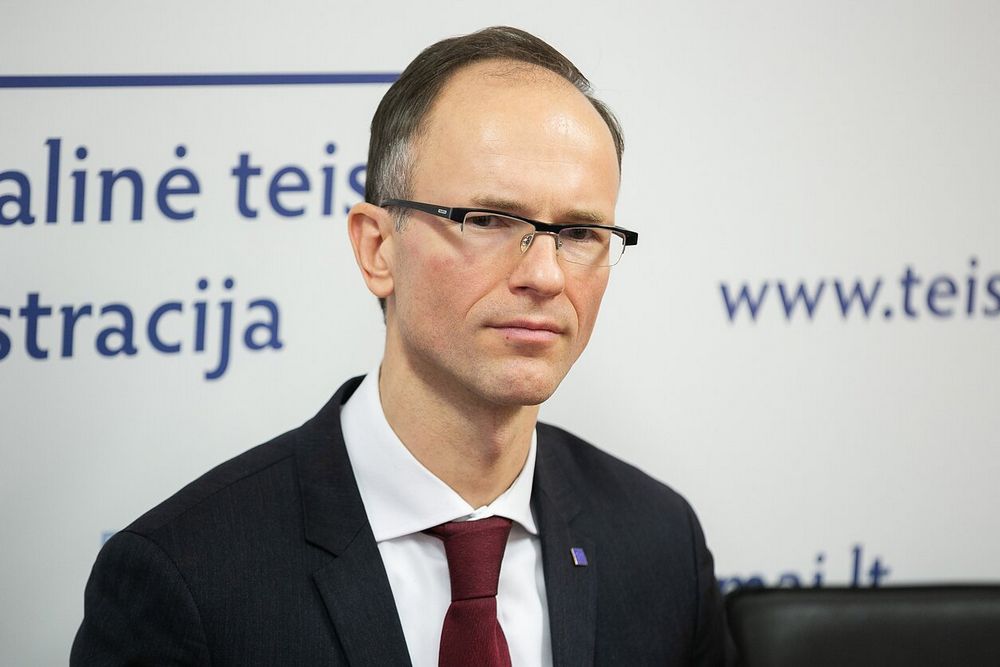
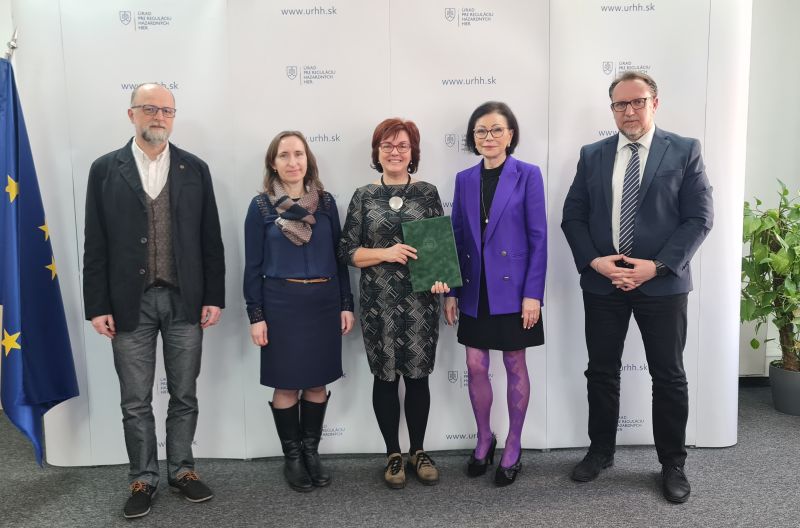
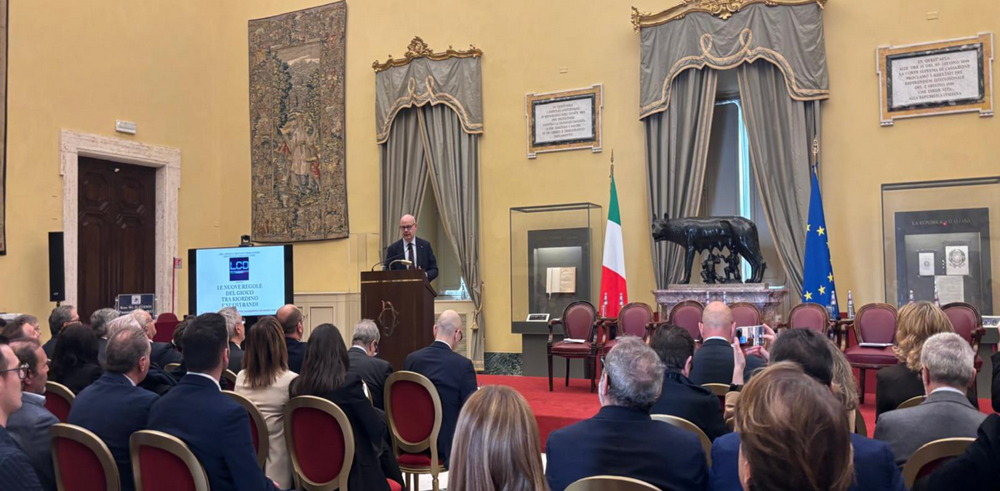
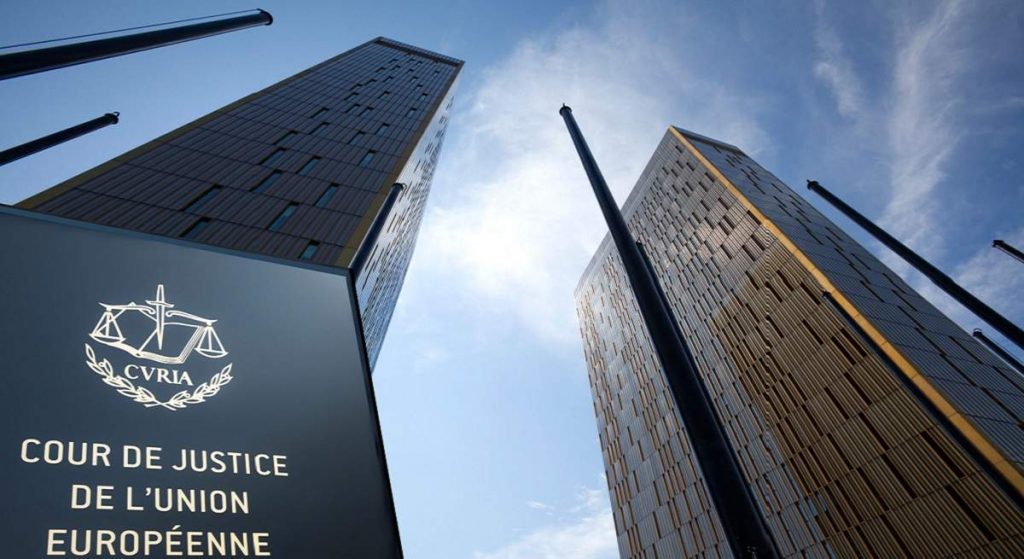
Against this backdrop, a new process before the Court of Justice of the European Union is gaining attention, linked to case C-716/24. Rimvydas Norkus (pictured), Advocate General of the court, suggested that the account preservation mechanism established under Regulation (EU) 655/2014, known as the European Account Preservation Order, could be applied.
If the court confirms this interpretation, judges across the EU could order the freezing of offshore operators’ bank accounts within the European financial system to secure potential player claims. Such a decision would set an important precedent for a rapidly expanding digital industry and could reshape the relationship between offshore jurisdictions, online gaming operators, and the European market.