





Russia’s Finance Minister Anton Siluanov has reportedly urged President Vladimir Putin to lift the country’s long-standing ban on online casinos, arguing that legalization could bring a large shadow market under oversight and deliver a new stream of budget revenue.
Online casinos have been illegal in Russia since 2009, with legal gambling largely confined to designated gaming zones, plus regulated online sports betting and lotteries.

The Finance Ministry estimates turnover in the legal betting sector (licensed bookmakers and totalizators) reached about RUB 1.7 trillion in 2024 (around $22.2bn). By contrast, the illegal online casino market is pegged at roughly RUB 3 trillion (about $39.1bn), with around 100 unlicensed platforms still operating.
Russia’s Self-Exclusion Law: A New Front in the Global Gambling Regulation Battle
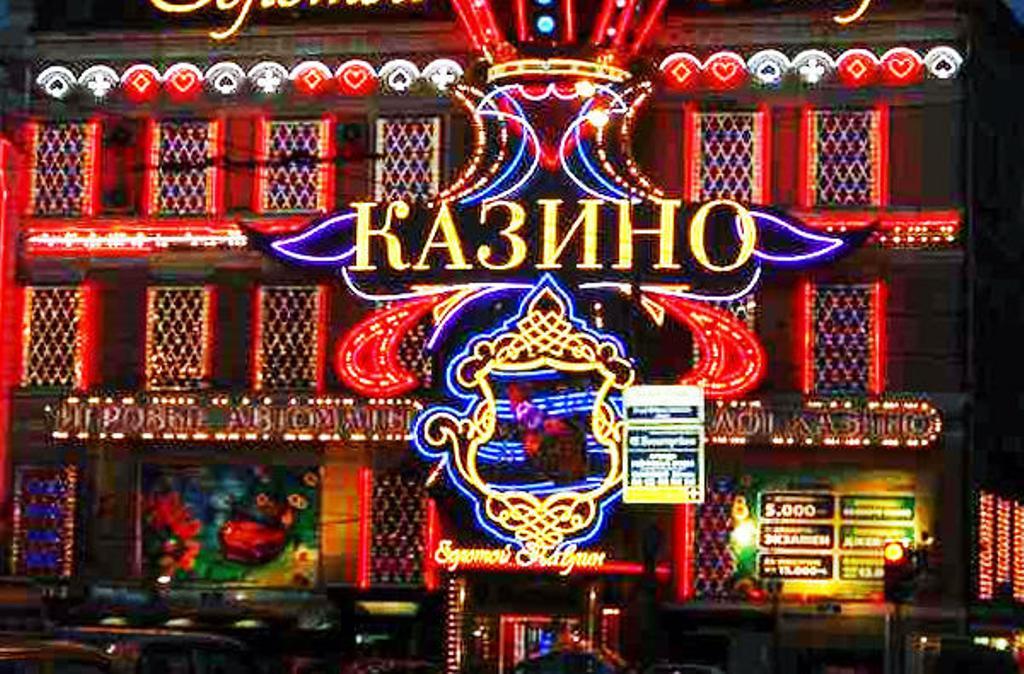
The proposed model centers on taxation and centralized control. Licensed online casinos would reportedly pay a monthly tax of at least 30%, calculated on revenue after winnings are paid out. Siluanov’s estimate puts potential annual proceeds at about RUB 100 billion (roughly $1.3bn). Oversight would sit with the Unified Gambling Regulator (ERAI) and a unified bet-tracking system, similar to the framework used for legal bookmakers.
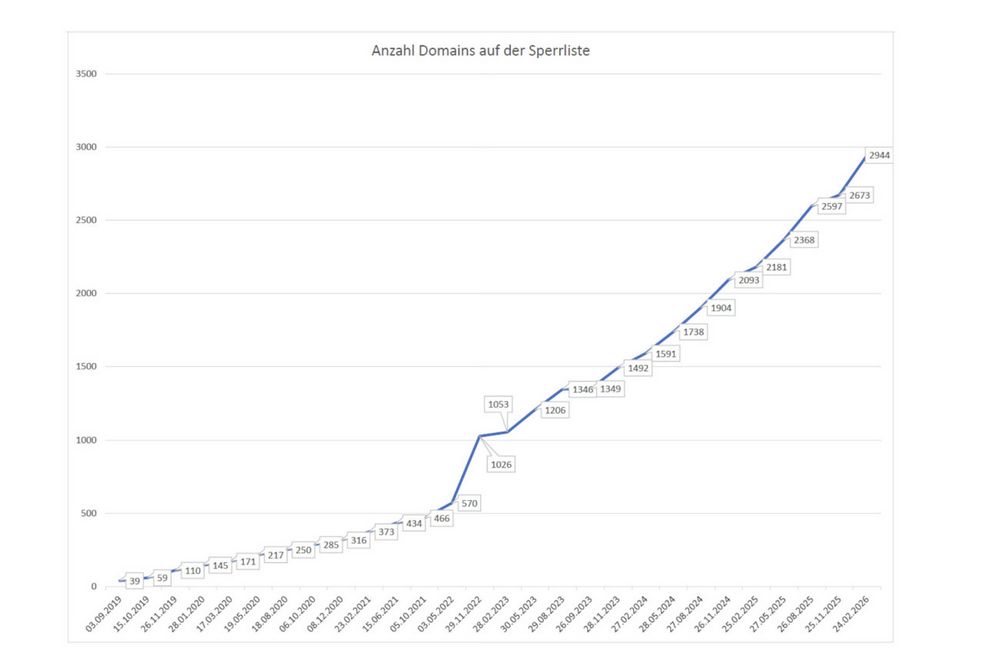
Player-facing restrictions would tighten as well. The plan would raise the minimum age for online casino play to 21+, and require operators—working with ERAI—to deploy problem-gambling safeguards. Authorities, including the Central Bank, would also intensify website blocking and disrupt payment flows linked to unlicensed operators.
Kommersant’s reporting, as summarized by The Moscow Times, did not indicate whether Putin has responded or endorsed the proposal.