


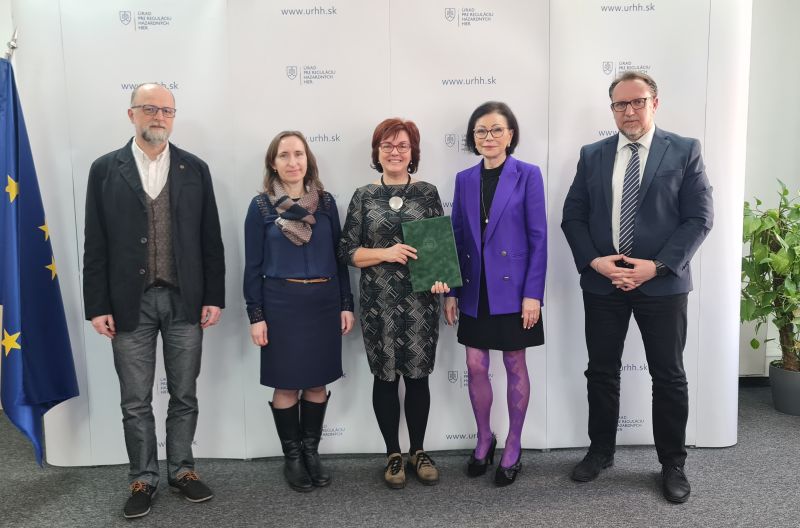








Slovakia’s Gambling Regulatory Authority (ÚRHH/URHH) has signed a memorandum of cooperation with the Faculty of Education at the University of Trnava to develop a nationwide programme focused on gambling-risk awareness, prevention and early intervention—particularly for young people and digital-first audiences.
The partnership is being positioned as a practical response to a market that is rapidly shifting online. URHH data cited in the announcement shows that in 2025 player losses reached €469.3m across land-based gambling halls and casinos, while online gambling losses were about €570m—roughly €99.3m higher than retail. Land-based gambling-hall revenue also fell to €286.6m, a 15.6% year-on-year decline, reinforcing the regulator’s view that harm-prevention tools must follow consumers into digital channels.

URHH Director General Libuša Baranová said the rise of online gambling and “digital addictions” is increasingly affecting the younger generation, requiring a “sophisticated and professional” approach that blends regulatory expertise with academic research. The University of Trnava team will receive access to national gambling data to produce teacher-focused frameworks, methodological materials for schools, and research outputs (including thesis work and conference participation) intended to strengthen prevention capacity across institutions.
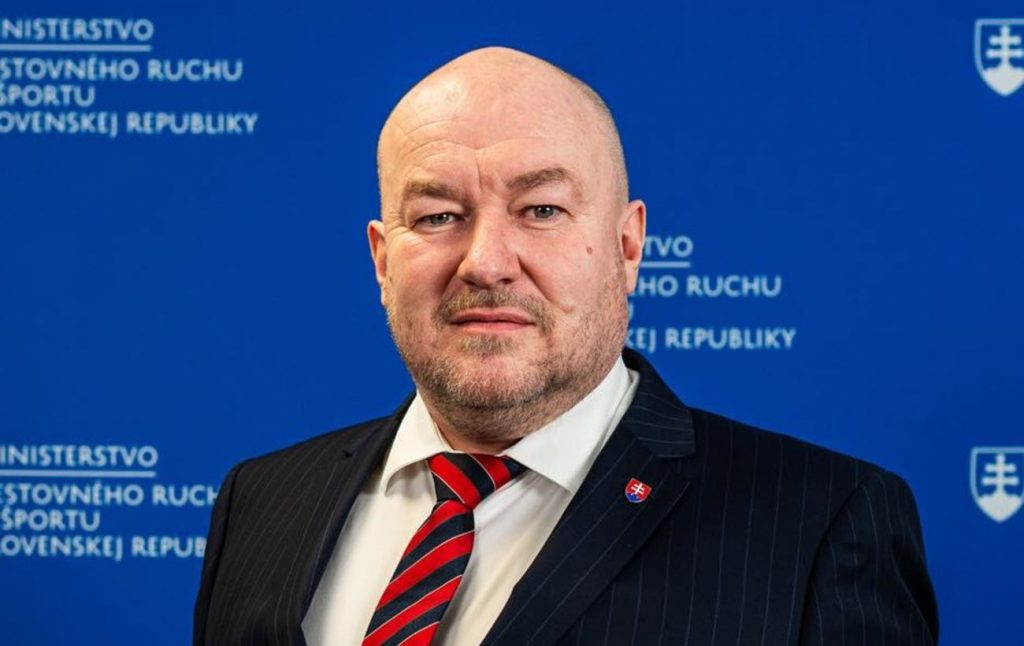
The initiative also lands in a politically sensitive period for Slovak gambling policy. Rudolf Huliak, Slovakia’s Minister of Sports and Tourism, has called for a review of gambling licences and stricter rules, while recent reform attempts have faced pushback, including President Peter Pellegrini returning amendments to lawmakers over concerns about safeguards and market impacts.
For operators, the direction of travel is clear: Slovakia is pairing tighter oversight with prevention infrastructure, treating education and data-led risk monitoring as core tools—not optional CSR.