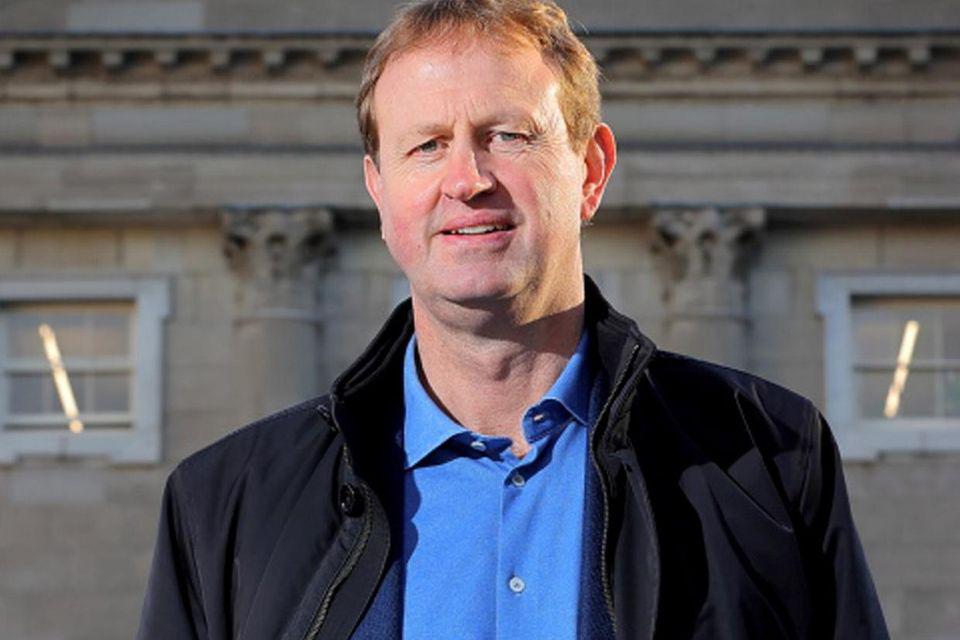















The UK Gambling Commission (UKGC) confirmed that chief executive Andrew Rhodes will step down on 30 April 2026 to take up a new role, launching a leadership transition at a sensitive point in the UK’s regulatory rollout. The Commission said it will begin recruiting a chief executive for an interim period, while deputy CEO Sarah Gardner will serve as acting chief executive during the handover.

For operators, the immediate issue is less about policy direction and more about execution risk. Rhodes’ tenure has been defined by the Gambling Act review and the subsequent reform agenda, with the UKGC pushing structural changes to supervision, consumer protection and enforcement expectations. A change at the top introduces uncertainty around timelines, guidance cadence, and supervisory posture—the practical details that dictate compliance cost, product roadmaps and marketing strategy.
UKGC to require immediate removal of non-compliant gaming machines from premises from 29 July 2026
Industry watchers also note that leadership transitions tend to amplify “hawk vs. dove” speculation. In the UK, that matters because enforcement has been a material financial variable.Sources Inform record-setting regulatory outcomes under Rhodes, including penalties of £17.2m for Entain (2023) and £19m for William Hill (2024)—signals that operators have used to benchmark downside risk and internal control investment.

From a commercial standpoint, the near-term playbook for licensees is straightforward: assume no immediate softening of expectations, keep remediation and safer-gambling controls on schedule, and stress-test plans for scenarios where implementation accelerates or guidance tightens. A steady interim phase would reduce volatility; a faster-than-expected policy delivery could raise compliance spend and constrain promotional agility.
Rhodes’ exit is therefore a timing event for UK-facing operators and suppliers: the market will watch who leads the Commission next—and whether the transition stabilizes or reshapes the pace of reform delivery.