








The U.S. gaming industry saw a pivotal week for both regulation and revenue. While the Pennsylvania Supreme Court ruled that so-called skill games are legally slot machines and must comply with state gambling laws, the casino markets of Kansas and Missouri reported combined gaming revenue exceeding US$223 million in May, underscoring the continued strength of regional casino operations across the country.

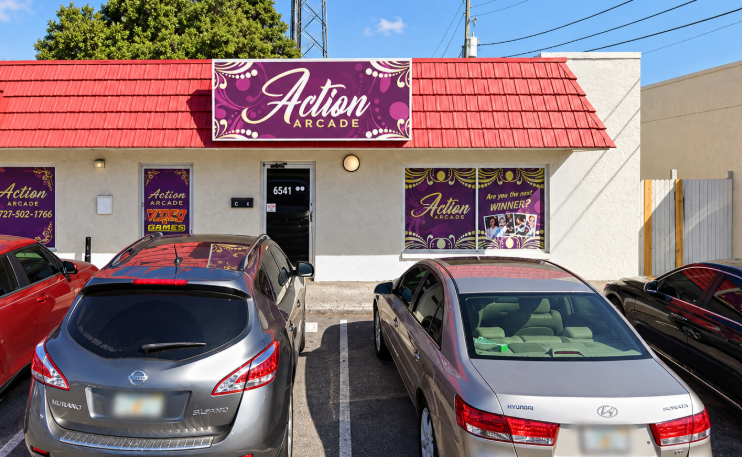
The most consequential development came from Harrisburg, where the Supreme Court of Pennsylvania ruled on June 15, 2026, that skill game machines installed in bars, convenience stores, gas stations and social clubs meet the legal definition of slot machines under both the Pennsylvania Gaming Act and the Pennsylvania Crimes Code. The decision impacts on an estimated 70,000 machines that have operated for years in a regulatory gray area.
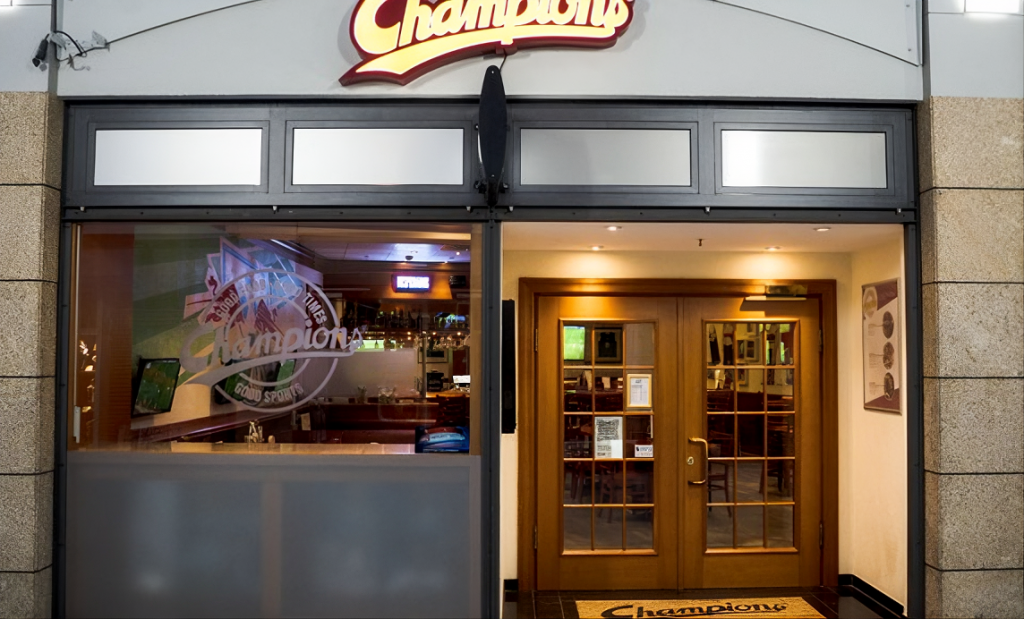
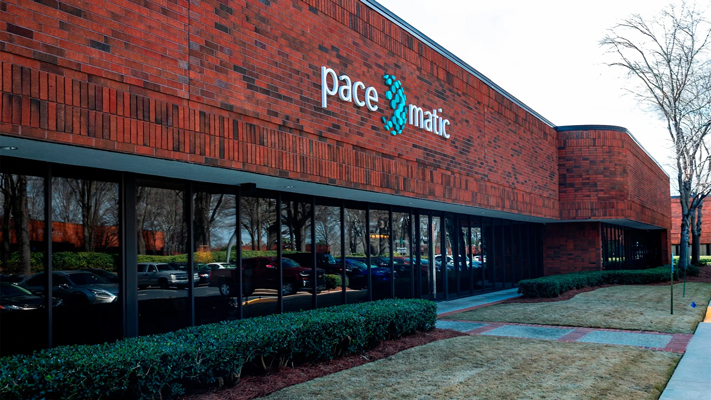
The court reviewed two closely watched cases. One originated in 2019 after authorities seized machines from Champions Sports Bar in Dauphin County, prompting the venue and Capital Vending Company Inc. to seek the return of the equipment and cash proceeds. The second involved Pace-O-Matic, one of the state’s largest skill game manufacturers and distributors, which sought a judicial declaration confirming the legality of its machines. The justices concluded that lower courts had fundamentally misinterpreted the law and granted the Pennsylvania General Assembly a 120-day window to determine whether the machines should be regulated and taxed or become subject to enforcement actions and confiscation.
Casinos in Pennsylvania cut slot machines and blame street machines.
The ruling immediately intensified Pennsylvania’s budget debate. Governor Josh Shapiro has proposed a 52% tax rate on skill game revenue, close to the 55% tax paid by casino slot machines. Senate Republican leaders have supported a 35% rate, while other legislative proposals have suggested 16%. The state’s Independent Fiscal Office estimates that regulating the machines could generate more than US$1 billion annually in public revenue.
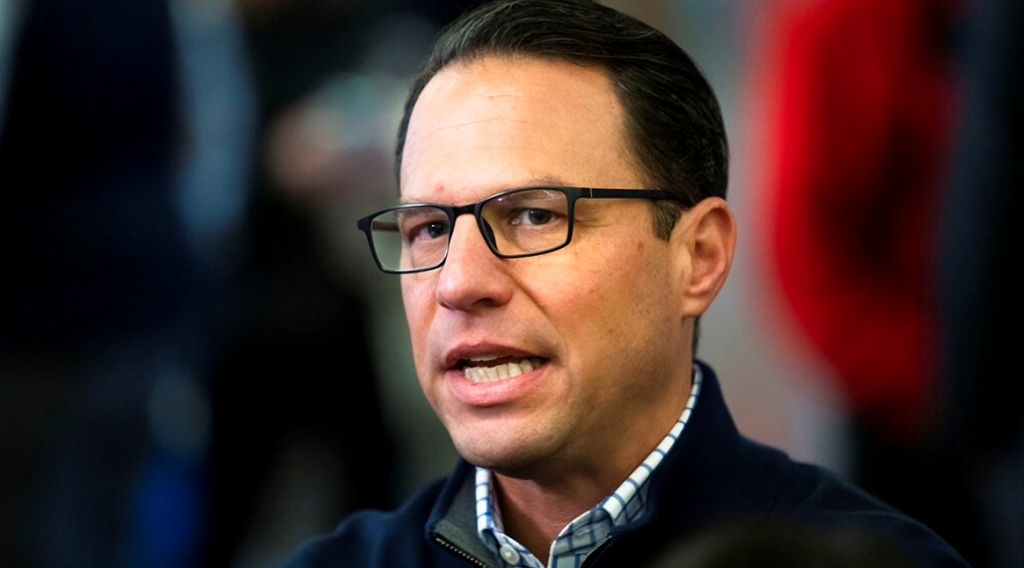
Governor Josh Shapiro
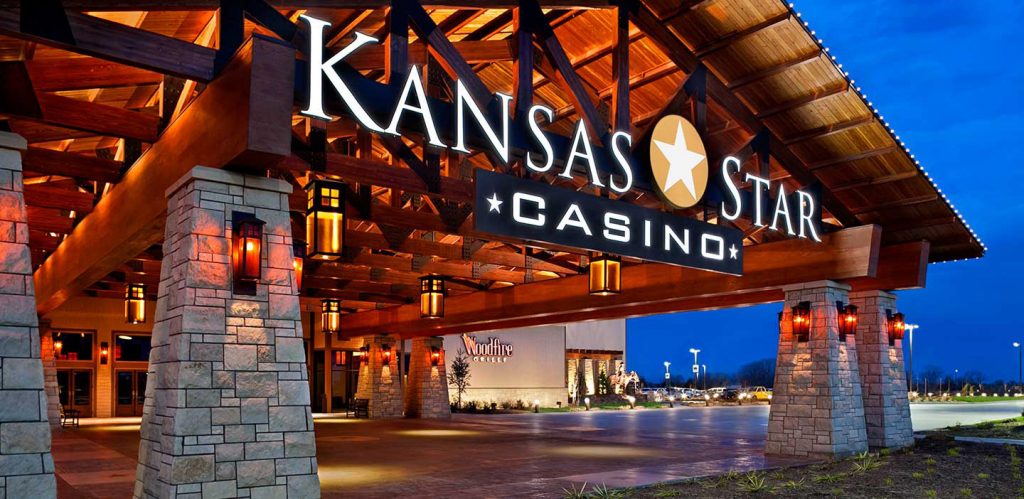
While Pennsylvania redraws the line between regulated and unregulated gaming, licensed casinos continue to post solid results. The Kansas Racing and Gaming Commission reported US$39.8 million in casino revenue for May, an increase of 5.5% year-over-year. Kansas Star Casino led the market with US$16.3 million, followed by Hollywood Casino with US$15.5 million, while Boot Hill Casino and Kansas Crossing Casino generated US$4.2 million and US$3.8 million, respectively. Slot machines accounted for US$35.1 million of the total, compared with US$4.7 million from table games.

In Missouri, the Missouri Gaming Commission reported US$183.3 million in casino revenue for May, a 3% increase from the same month in 2025. The performance reinforces Missouri’s position as one of the strongest regional gaming markets in the Midwest and confirms that slot machines remain the primary revenue driver for the land-based casino industry.