









Helsinki, November 10, 2026. Finland notified the European Commission on November 2 of new mandatory requirements for recording, storing, and transmitting online gambling data under notification 2026/0587/FI, which remains under European review until February 3, 2027.
- Finland grants 12 licenses ahead of iGaming market opening

The proposal, drafted by the National Police Board (Poliisihallitus) and submitted by the Ministry of Economic Affairs and Employment, implements Section 45(2) of the Gambling Act 10/2026. It requires standardized electronic formats to record account transactions, operations, and gaming events, facilitating automated audits and financial supervision.

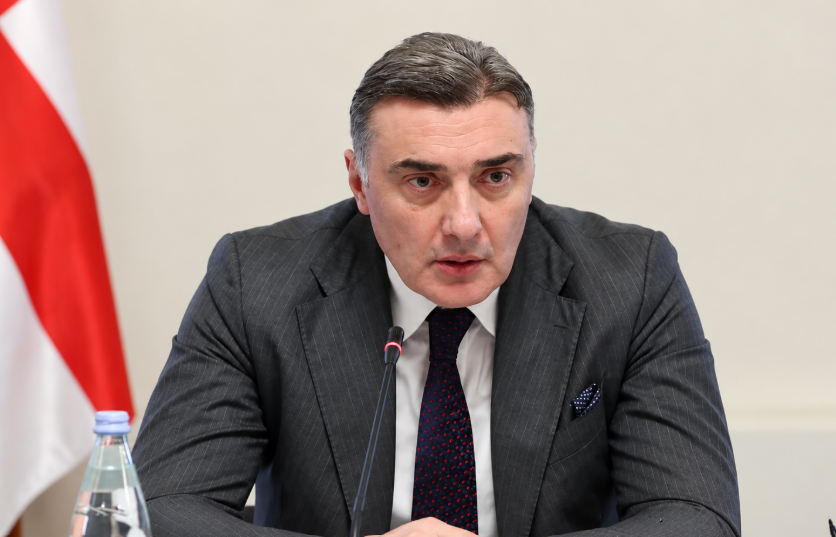
Kerstin Jorna
The procedure falls under Directive (EU) 2015/1535, administered by the European Commission through DG GROW, headed by Kerstin Jorna, under the political responsibility of Executive Vice-President Stéphane Séjourné. Brussels and EU member states may submit observations; no lawsuit has been filed before a European court.

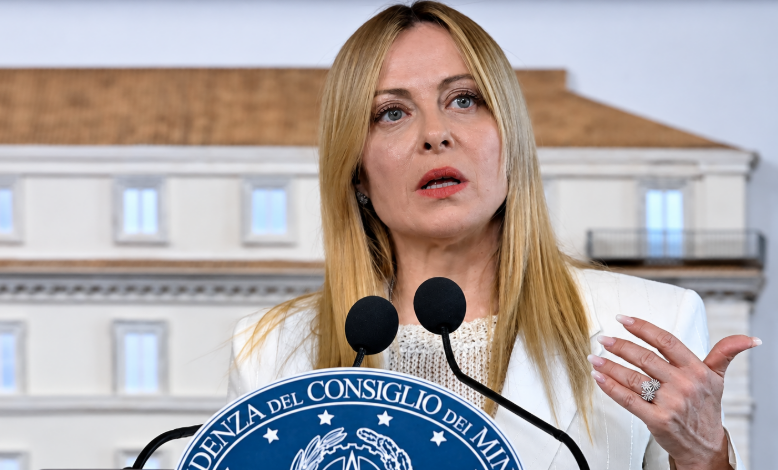
Mari Rantanen
The reform introduced by Prime Minister Petteri Orpo's government, with Mari Rantanen serving as Minister of the Interior and Ilkka Koskimäki heading Poliisihallitus, will open sports betting and online casinos to private operators on July 1, 2027, partially ending the monopoly held by Veikkaus, led by Olli Sarekoski. On October 29, the police confirmed 18 licenses granted and 63 applications pending, according to senior adviser Juho Puisto. License applications cost €29,000, while operators will face a 22% tax on gross gaming revenue.

Ilkka Koskimäki
Notifications 2026/0356/FI and 2026/0357/FI, submitted on July 10, complement the reform with electronic certificates, SHA-256 verification every five minutes, SFTP data transmission, and data repositories with 98% availability.

Regulatory oversight will transfer to the Finnish Supervisory Agency in July 2027. Technology suppliers will require licenses starting in July 2028. Separately, the Supreme Administrative Court, in ruling KHO:2026:79 of October 1, examined 2,145 bets, €365,606 wagered, and €406,713 in returns, recognizing tax deductions under specific conditions for systematic betting conducted outside the European Economic Area.