

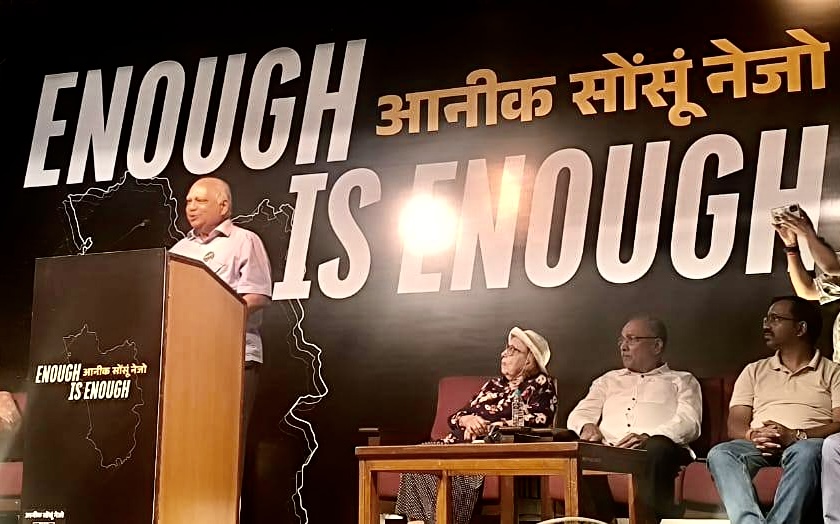



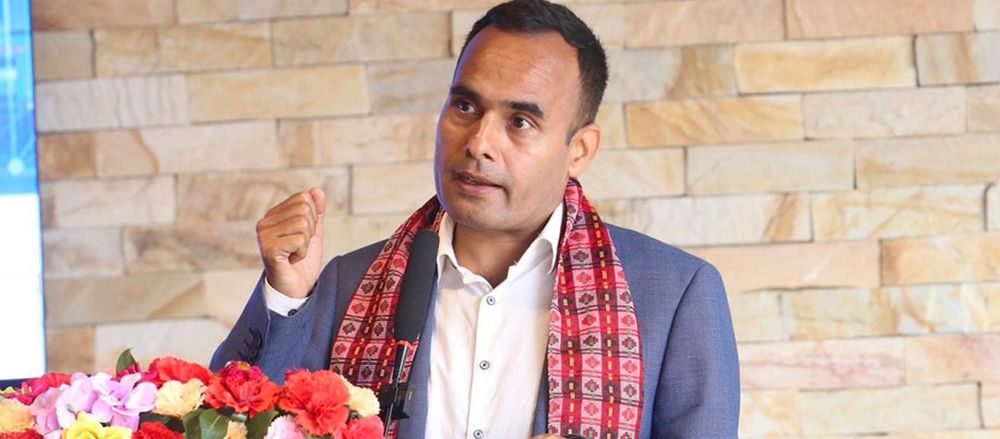



The regulatory battle over gambling in India escalated on April 10, 2026, when the environmental group Enough is Enough, led by former Chief Justice Ferdino Rebello, opened a permanent office in Panaji (Goa) and formally demanded the shutdown of offshore casinos operating on the Mandovi River, citing environmental damage and misuse of public waterways.

The current legal framework is based on the Goa, Daman and Diu Public Gambling Act of 1976, which allows licensed gambling operations in two formats: onshore casinos in five-star hotels and offshore casinos on authorized vessels within designated areas. Oversight is led by the Goa government under Chief Minister Pramod Sawant, alongside the Home Department and the Gaming Commissioner, a role held by the state’s tax commissioner. Environmental oversight involves the Goa State Pollution Control Board (GSPCB), chaired by Dr. Levinson J. Martins.
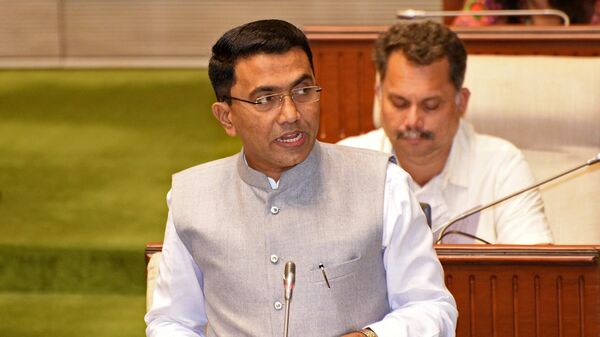
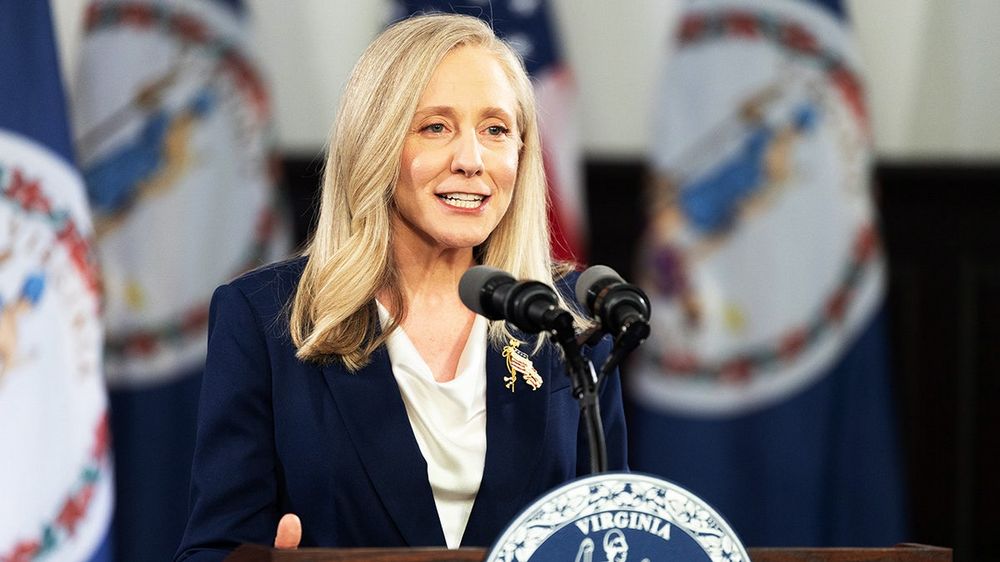
Chief Minister Pramod Sawant
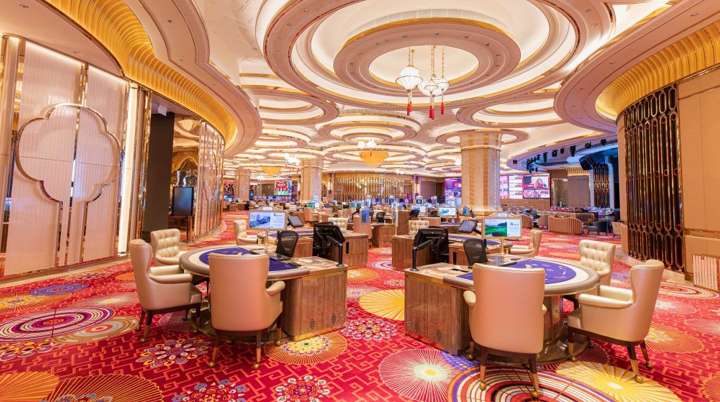
The market currently includes 13 active casinos. Onshore operators include Deltin Suites (Nerul), Grand Hyatt (Bambolim), The Zuri (Varca), Casino Pride (Goa Marriott), The O Hotel (Candolim) and La Calypso (Calangute). Offshore operations include Deltin Royale (M.V. Royale Flotel), Casino Pride (M.V. Pride of Goa), Casino Pride 2 (M.V. Majestic Pride), Big Daddy Casino (M.V. Lucky Seven) and Deltin Jaqk (M.V. Horseshoe), all concentrated along the Mandovi River.
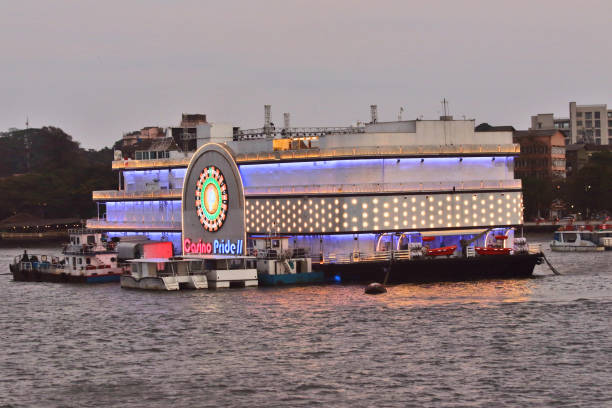
At the core of the dispute is a legal and operational conflict: activists argue offshore casinos exceed permitted use of the river and violate the intent of the law, while operators continue to function under valid state-issued licenses. In 2026, the government has already tightened its stance by increasing onshore casino license fees by 200% and confirming a cap of six offshore vessels, with no new approvals.
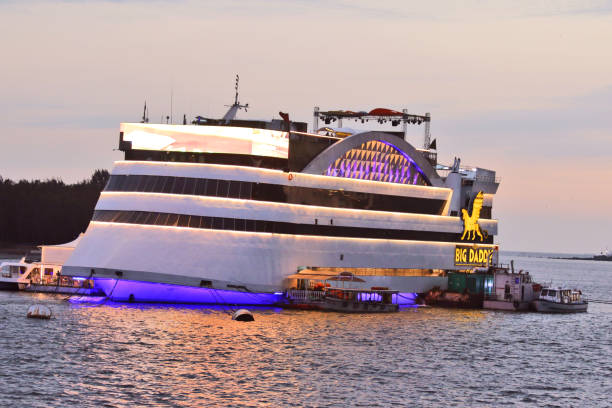
The economic stakes are significant. Between 2020 and 2025, Goa collected over ₹1,418 crore (≈US$170 million) in casino-related revenue, with strong growth driven by tourism and high-value spending. Offshore casinos account for a substantial share of premium traffic, meaning any regulatory restriction could directly impact fiscal income, employment, and the broader tourism ecosystem.
What comes next is a decisive regulatory phase. Rather than immediate closures, the most likely outcome is a restructuring of the offshore model, including relocation, stricter environmental compliance, or tighter operational limits. However, a more aggressive move—such as license non-renewal—could disrupt the market balance, shift demand toward onshore venues, or push activity into unregulated channels. Goa now faces a strategic choice: protect a high-revenue industry or redefine its gambling model under mounting environmental and political pressure.