

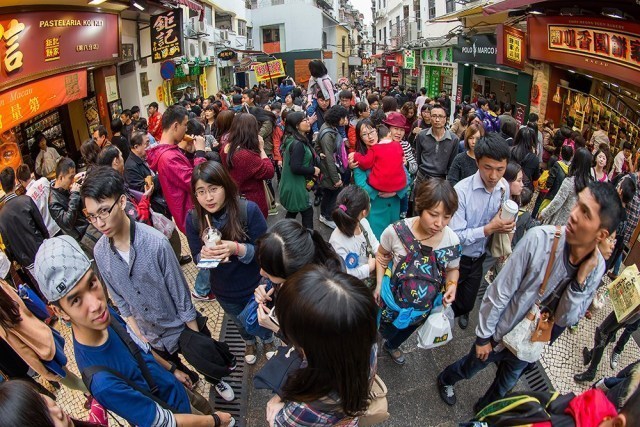


Vietnam is recalibrating the balance between growth and control in its gambling sector as tourism surges and a new technocratic government consolidates power. The country welcomed 6.76 million international visitors in Q1 2026, a record (+12.4% YoY), led by China (1.4 million), South Korea (1.33 million) and the United States (302,000). The official target now stands at 25 million international arrivals and up to US$46 billion in tourism revenue for the year, reinforcing tourism as a core economic pillar.

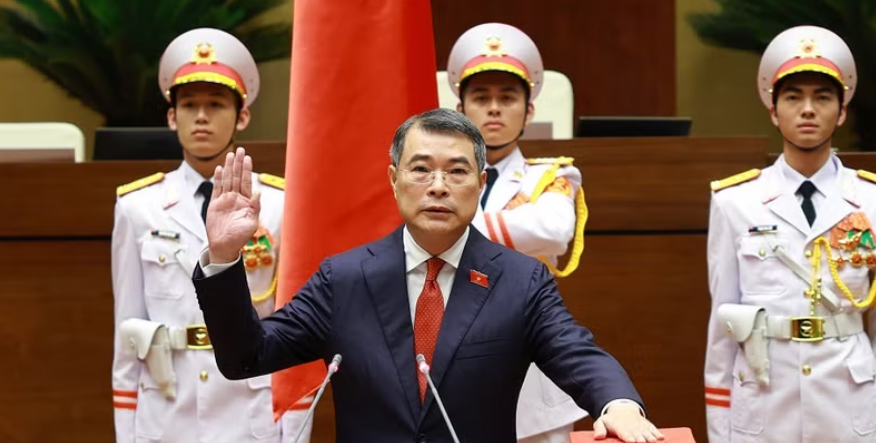
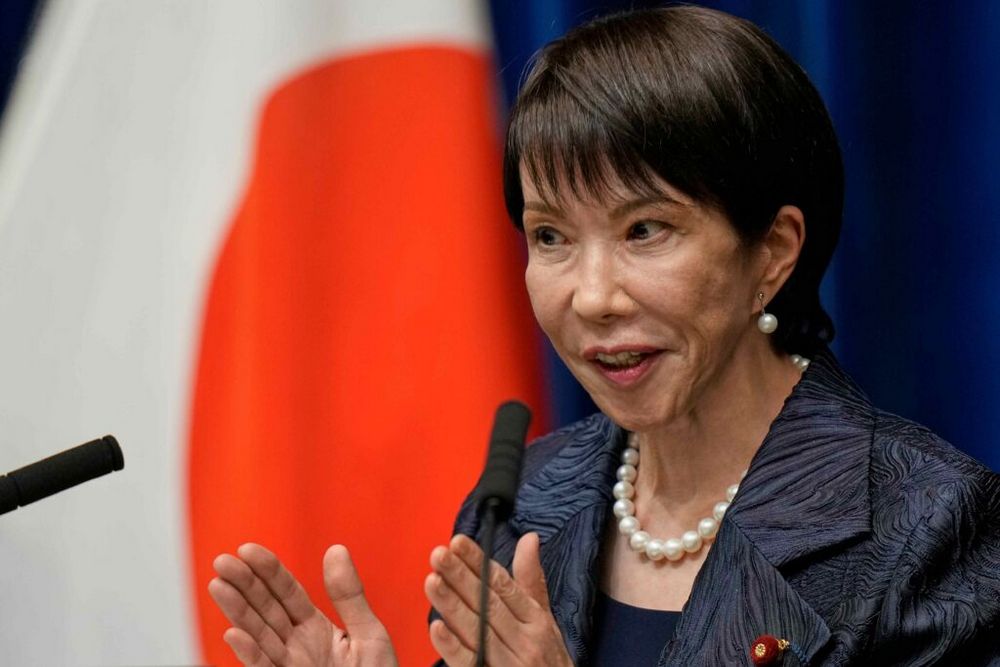
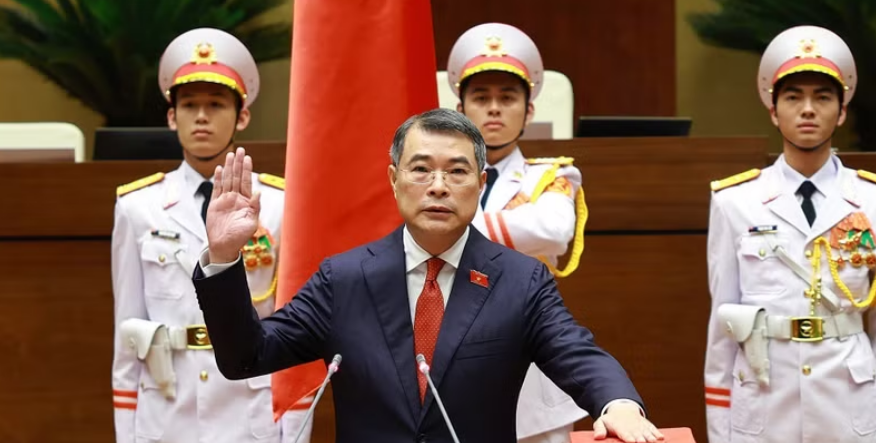
This momentum coincides with a political shift. On April 7, 2026, Le Minh Hung assumed office as prime minister, under the consolidated leadership of President To Lam. The new administration signals a more technocratic, fiscally disciplined and digitally controlled model, prioritizing growth while tightening oversight across key sectors.
That approach is directly reflected in gambling regulation. The market remains governed by Decree No. 03/2017/ND-CP, amended by Decree No. 145/2024/ND-CP, and reinforced by Resolution No. 08/2025/NQ-CP, effective November 26, 2025. The framework allows eligible Vietnamese players—under strict financial conditions—to access only select projects such as Corona Resort & Casino and The Grand Ho Tram, keeping the market tightly controlled.
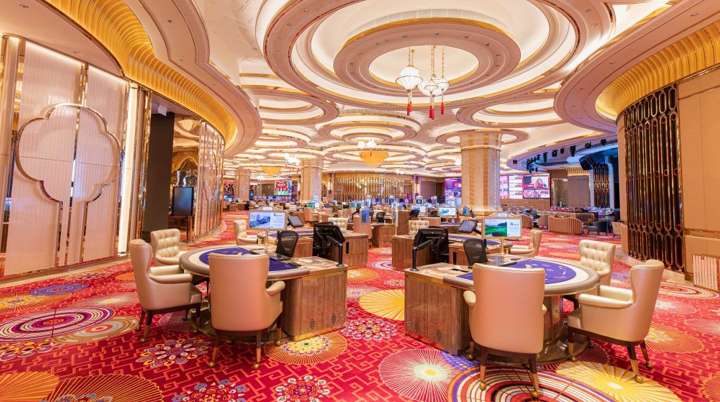
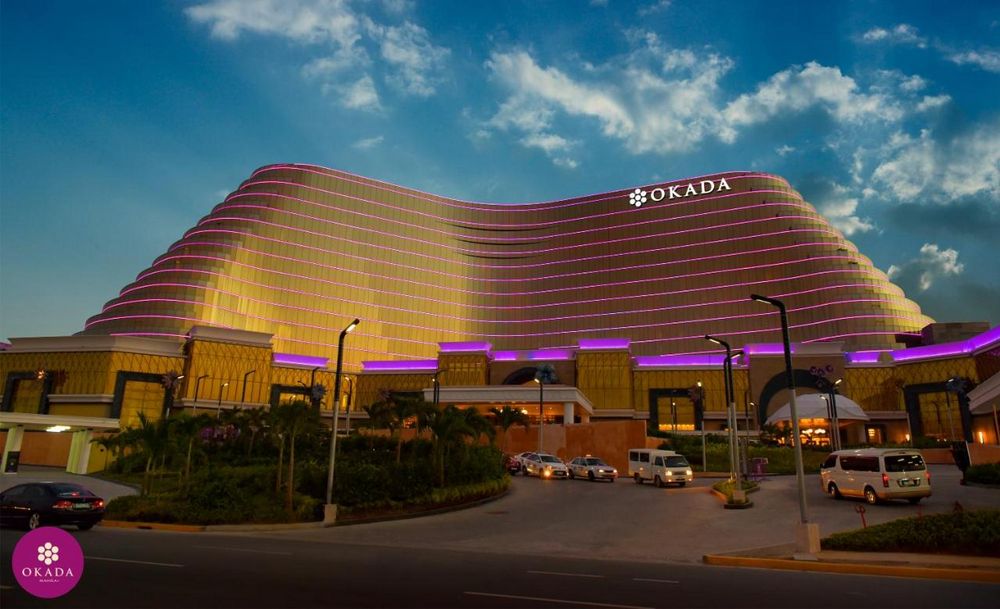
Vietnam currently operates nine casinos, including major integrated resorts like Hoiana Resort & Golf, which are increasingly aligned with premium tourism flows. Between 2017 and 2022, the sector generated approximately VND 22.89 trillion (US$950 million) in revenue and contributed VND 11.81 trillion (US$490 million) to the state budget.
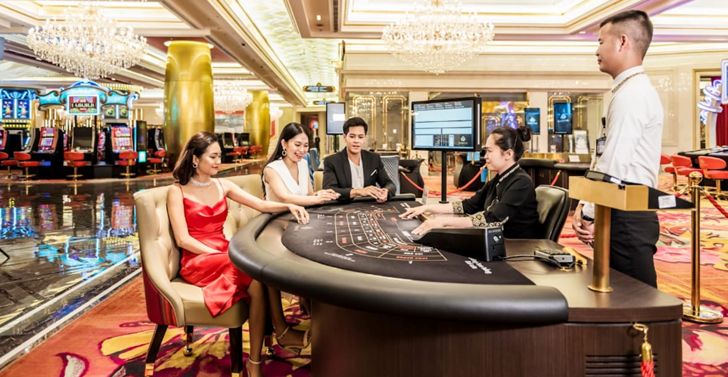
Operational data highlights the importance of domestic demand. At Corona Phu Quoc, revenue exceeded VND 2.2 trillion in 2023, up 45.7% YoY, with local players accounting for up to 88% of total revenue during the pilot period—underscoring the latent value of Vietnam’s internal market despite regulatory limits.
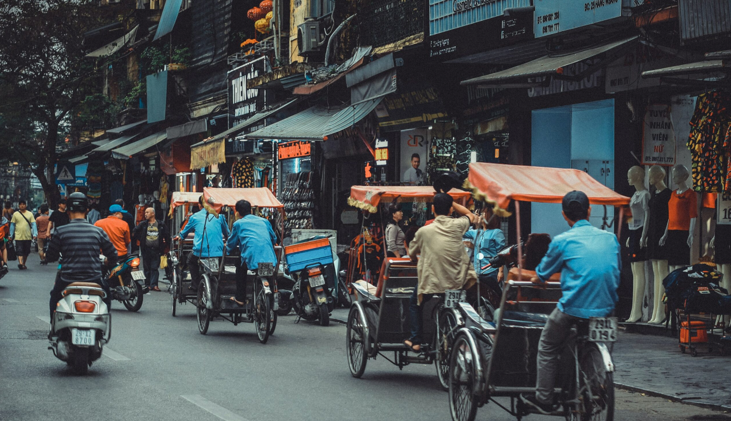
Tourism growth is reinforcing this model. During Tet 2026, Vietnam recorded 14 million visitors, boosting destinations such as Phu Quoc and integrated resort hubs. This supports ongoing large-scale investments, including multi-billion-dollar developments in Ho Tram and Hoiana, where casinos function as part of broader ecosystems combining hospitality, retail and entertainment.
The strategic takeaway is clear: Vietnam is not liberalizing gambling—it is integrating it into a state-controlled, tourism-driven fiscal strategy. Growth in the sector will not come from deregulation, but from a model where tourism expansion, strict regulation and fiscal optimization converge.