










Ceuta sought to reassure the online gaming and technology industries on August 3, 2026, after one of the most serious migration crises in its modern history placed the Spanish enclave under extraordinary pressure.

Kissy Chandiramani Ramesh, Second Vice-President of the Autonomous City and Minister of Finance, Economic Transition and Digital Transformation, insisted that Ceuta "remains a safe bet" for investment, stressing that the city's legal certainty, institutional stability, skilled workforce and competitive tax regime remain intact despite the emergency.

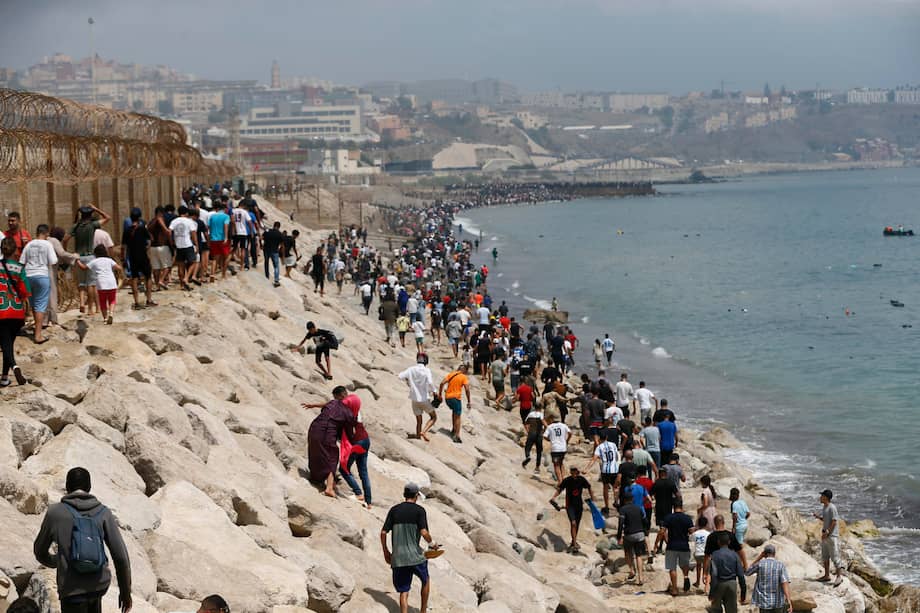
Her remarks followed the unprecedented migration surge recorded between July 30 and August 1, when the Spanish Ministry of the Interior estimated that around 50,000 people entered Ceuta from Morocco. Local authorities put the figure even higher, at nearly 60,000 arrivals in less than three days. With a resident population of only 84,000 and a territory covering just 18.5 square kilometres, the influx represented an impact equivalent to almost 70% of the city's population, making it one of the largest migration emergencies ever experienced on the European Union's external border.
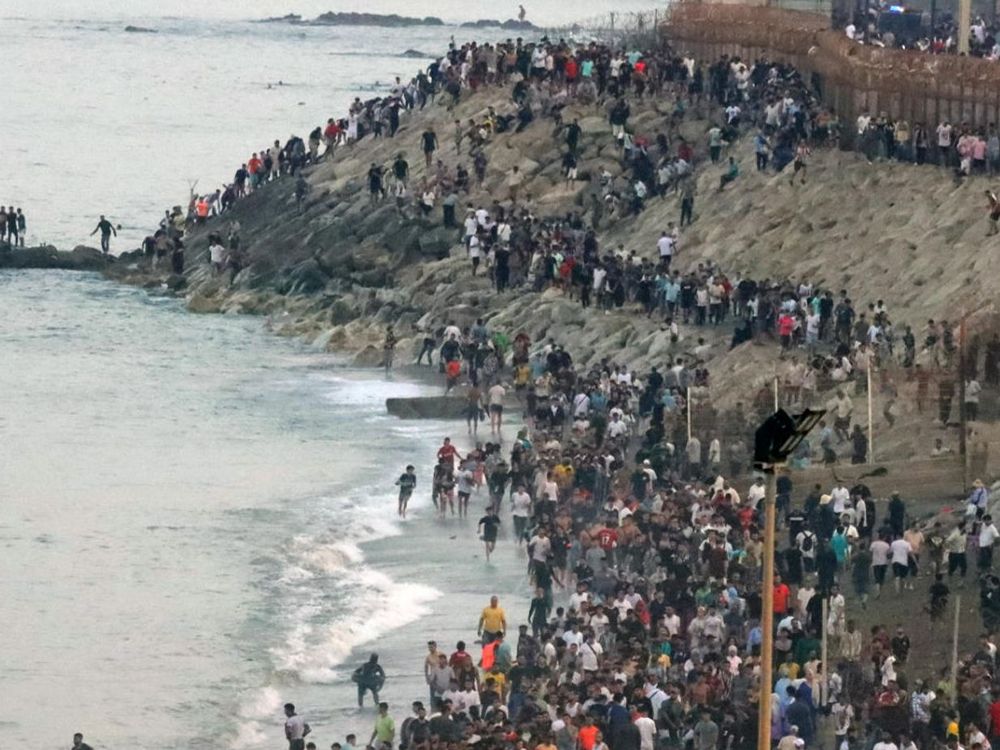
Spanish authorities reported that at least 67 migrants died during attempts to reach the enclave. By Saturday, Interior Minister Fernando Grande-Marlaska said that "almost all" of those who had crossed had already returned to Morocco, although he acknowledged that establishing an exact figure remained difficult. European leaders immediately called for emergency discussions, while Spain accused Morocco of failing to contain the crossings and warned that the crisis represented an attack on the integrity of the EU's external frontier.
Despite the unprecedented pressure, Chandiramani stressed that the migration emergency would not alter Ceuta's economic strategy or its support for companies operating in the city. She thanked the National Police, Civil Guard, Armed Forces, emergency services and municipal personnel for their response and reaffirmed that the digital economy would remain a strategic priority.
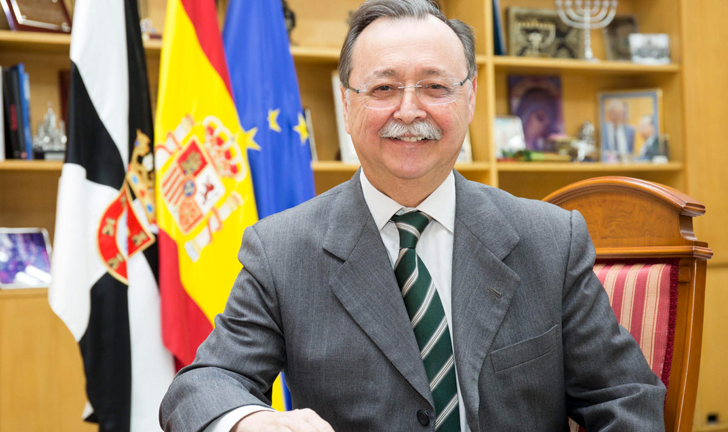
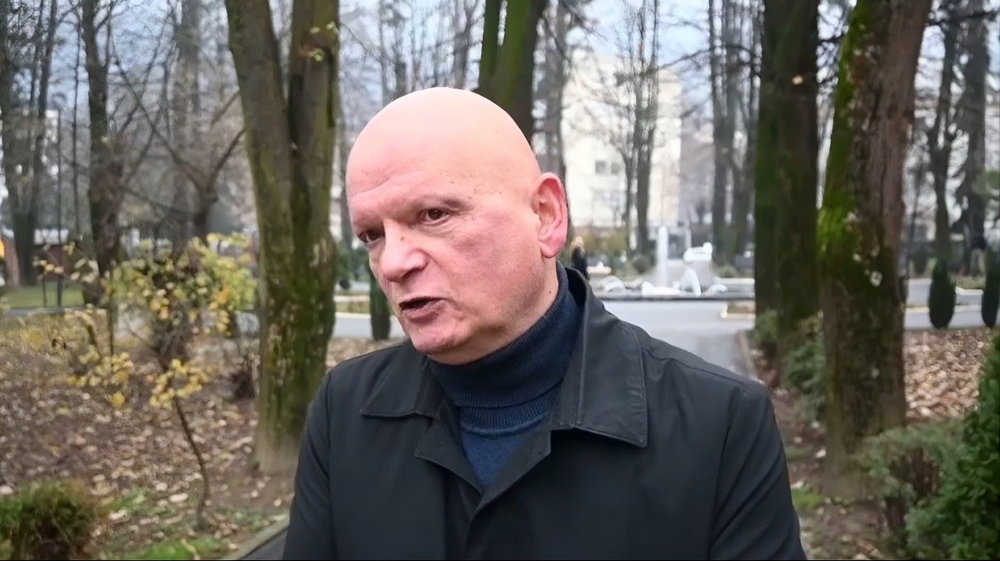
Juan Jesús Vivas Lara
According to the Autonomous City, online gaming now contributes approximately 12% of Ceuta's GDP and supports 1,228 direct jobs, with the total employment impact estimated at around 2,456 positions when indirect employment is included. More than 55% of the companies operating in Spain's regulated online gaming market have established a presence in Ceuta, attracted by the 50% reduction in gambling activity tax introduced under Law 6/2018.
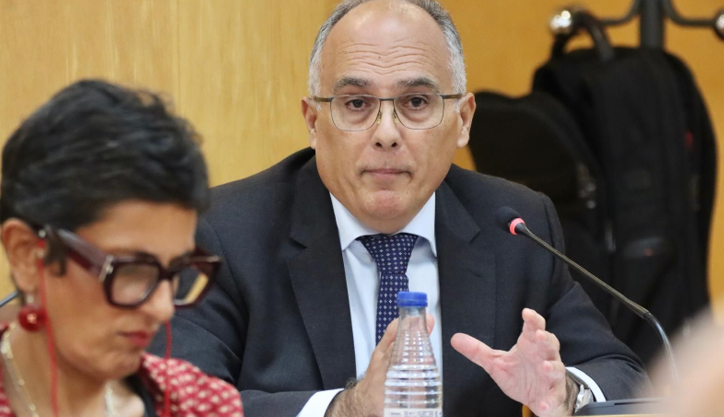
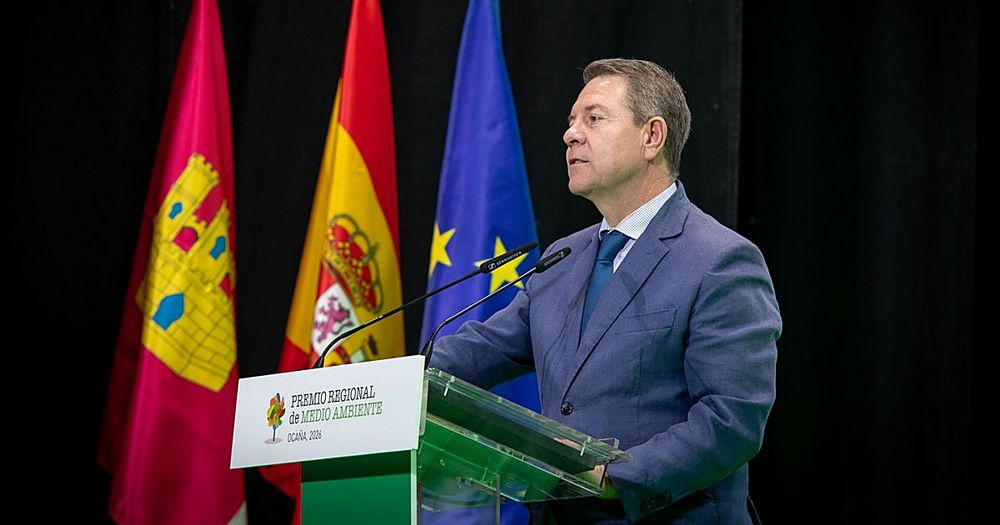
Alberto Gaitán Rodríguez
Spain's online gambling sector continues to be regulated nationally by the Directorate General for Gambling Regulation (DGOJ), which issues licences for sports betting, online casino, poker, roulette, blackjack and online slot machines. Companies operating from Ceuta include PAF, Electra Works, LeoVegas, WHG Ceuta—linked to William Hill—and Tombola Ceuta.

Ceuta President Juan Jesús Vivas Lara and Minister of the Presidency and Governance Alberto Gaitán Rodríguez have called on Madrid, Brussels and European partners to reinforce border protection and provide additional resources to manage the crisis. Even amid one of the most severe migration emergencies ever recorded in the enclave, Chandiramani maintains that Ceuta's long-term economic transformation will continue to be driven by technology and its expanding online gaming industry.