














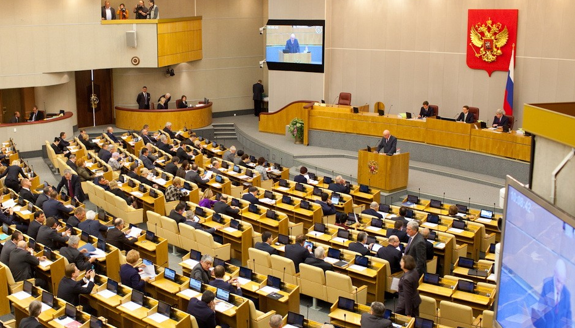
Russia took a key step in its crackdown on illegal online gambling by approving on April 14, 2026, in the State Duma, a bill that reduces the timeframe to block illegal casino websites from five days to two days. The initiative, introduced by the Government under bill No. 1155881-8 and backed by the parliamentary majority led by the United Russia party, passed its first reading during a plenary session. No detailed individual voting breakdown has been publicly released so far, although government-backed bills typically advance with broad majority support in the chamber.

The reform does not change the legal status of online gambling, which remains prohibited under Federal Law No. 244-FZ of December 29, 2006, but streamlines the administrative process. The mechanism relies on the Unified Gambling Regulator (ERAI), led by Alexey Grachev, to identify illegal platforms and submit requests to the Federal Tax Service of Russia, headed by Daniil Egorov, which must now process them within two days. Technical enforcement of blocking measures is handled by Roskomnadzor, led by Andrey Lipov.

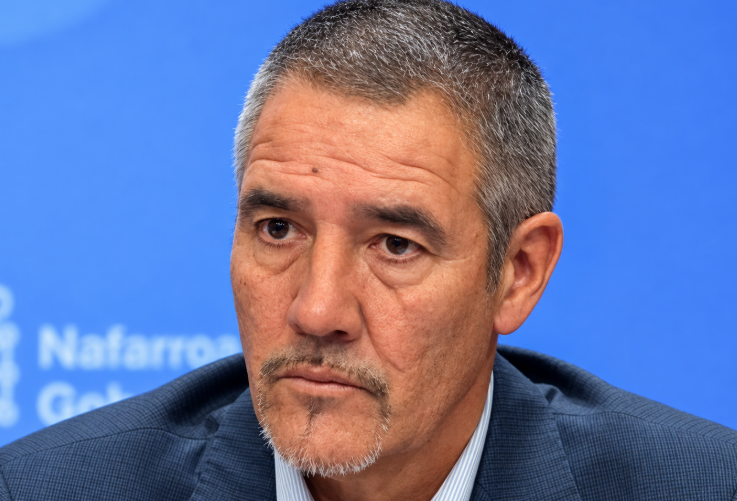
Daniil Egorov
Russia’s regulatory framework remains centralized and restrictive under the oversight of the Ministry of Finance of Russia, led by Anton Siluanov, the key political authority for the sector. Only betting and totalizators are permitted under license, while online casinos remain entirely illegal.
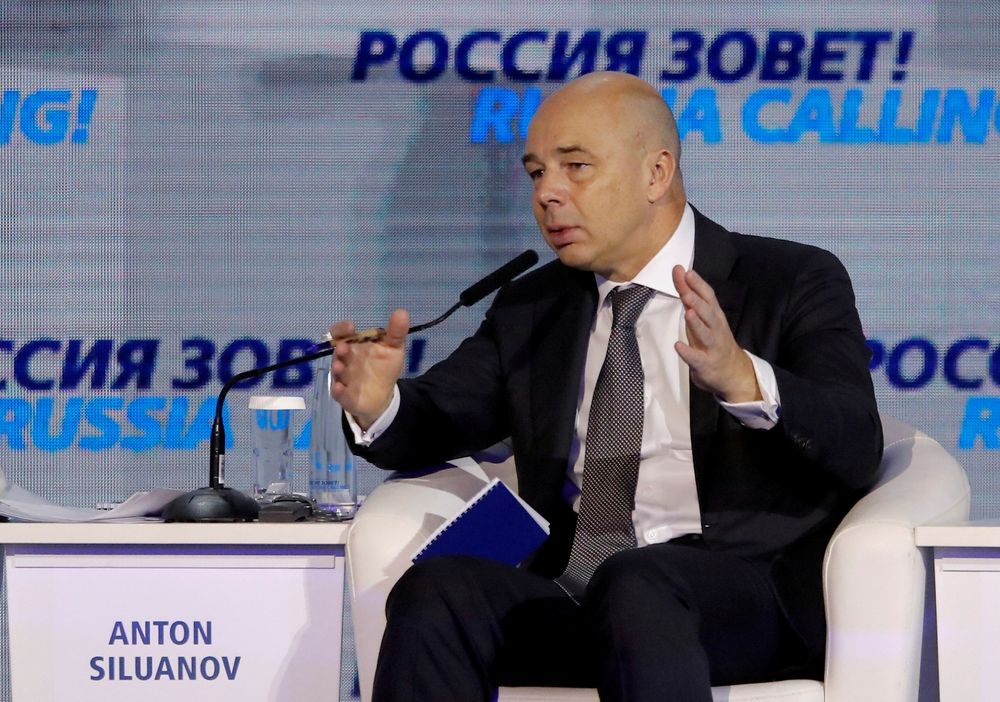
Anton Siluanov
Market data explains the pressure, cause the legal betting market generated approximately RUB 414.9 billion in revenue in 2024, with total wagers reaching around RUB 1.7 trillion, while the illegal online segment exceeds RUB 3 trillion annually, effectively doubling the size of the regulated channel. The ERAI also reports a reduction to 19 active licenses, reflecting consolidation and tighter control.
At the same time, Russia is strengthening player-level regulation. Starting September 1, 2026, a national self-exclusion system and new mandatory risk warnings for gambling will come into force. In the short term, faster blocking reduces the lifespan of illegal operators and protects the regulated market. In the medium term, it reinforces a model based on state control, payment traceability and digital surveillance. Risks remain, as the use of VPNs and mirror sites could limit effectiveness if not paired with stronger financial enforcement.