
















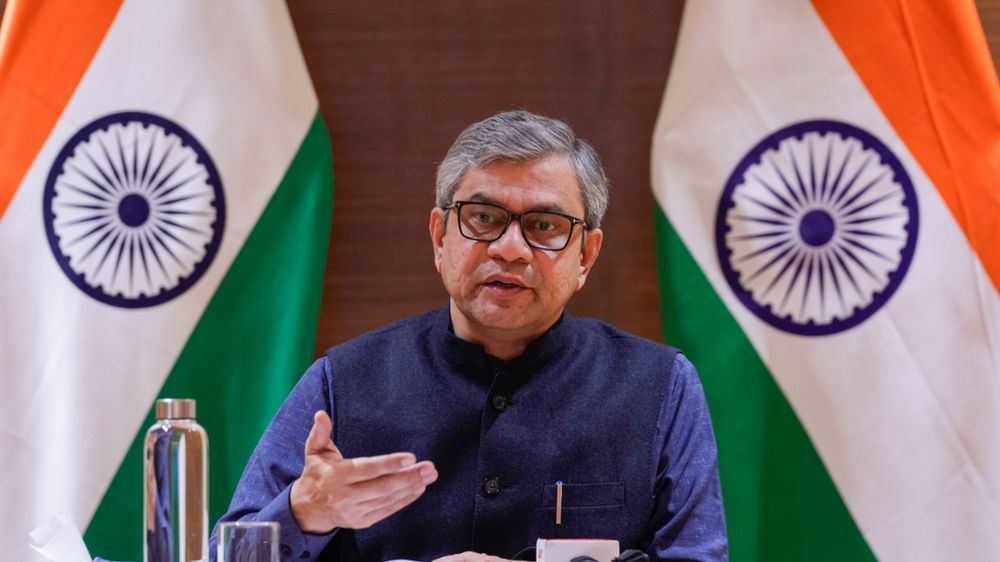
India is moving toward a key regulatory adjustment in May–June 2026, easing requirements for non-monetary online games while keeping the ban on betting and real-money gaming intact, in a market that had projected US$3.6 billion by 2029 before the legal shift. The move was anticipated on April 18, 2026, and aims to classify certain social games, casual games and esports without entry fees as automatically permitted, under the supervision of the future Online Gaming Authority of India, within the Ministry of Electronics and Information Technology, led by minister Ashwini Vaishnaw.

The change is not a liberalization of gambling, but a technical correction of the current framework. The Promotion and Regulation of Online Gaming Act, 2025, passed by Parliament in August 2025 under the government of Narendra Modi, bans offering, operation, advertising and financial transactions linked to online money gaming, including betting and real-money platforms. The law introduced blocking powers, criminal penalties and investigative authority, consolidating the country’s most restrictive model in decades.
The regulatory system is anchored by the Ministry of Electronics and Information Technology as the digital authority, alongside the Information Technology Act, 2000 and intermediary rules updated in February 2026, which require platforms to comply with due diligence obligations or lose legal protection. At the same time, enforcement has intensified. As of March 28, 2026, the government had blocked or acted against 8,376 URLs linked to betting and gambling, with more than 4,800 actions occurring after the 2025 law, highlighting the scale of the illegal market.
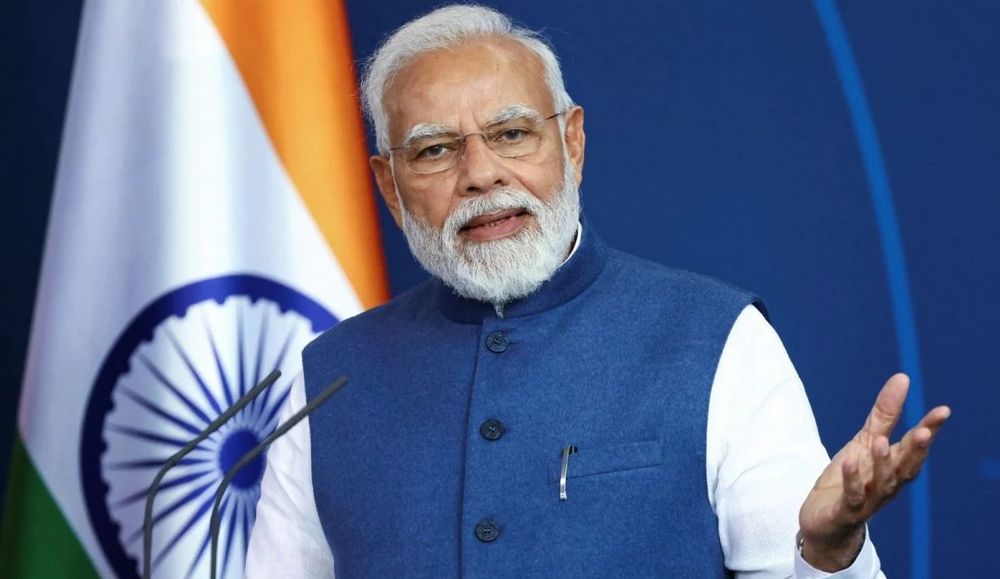
Narendra Modi
Before the ban, companies such as Dream11 reached valuations close to US$8 billion, and real-money gaming was one of the main drivers of digital growth in India. However, the prohibition has not eliminated demand. Market data shows migration toward offshore platforms, turning enforcement into a structural challenge.
The regulatory adjustment now seeks to separate two industries, on one side, it aims to unlock growth for non-monetary gaming and reduce compliance costs. On the other, it maintains full pressure on betting and gambling. The advantage is greater legal clarity for the non-monetary segment. The risk is further displacement toward unregulated markets if not accompanied by stronger financial and payment controls.