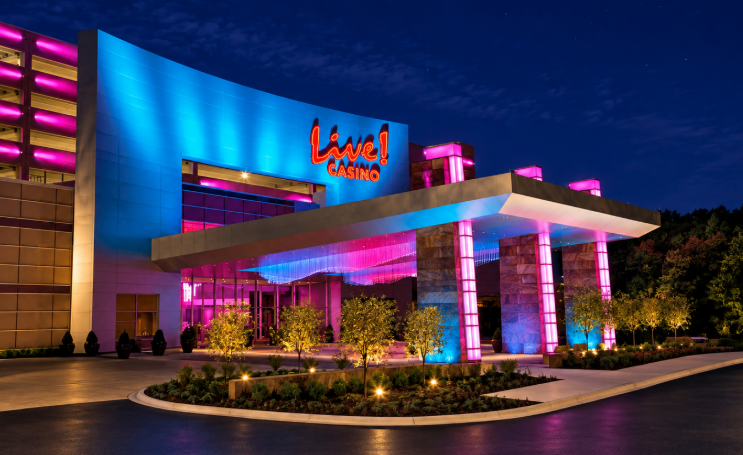







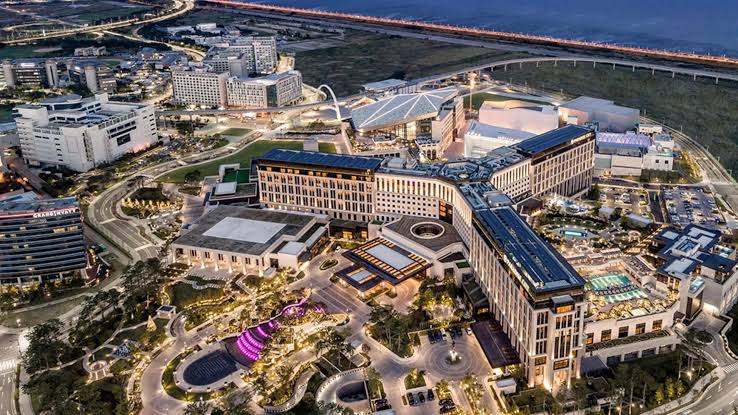

The Philippines is escalating its position in the global gaming landscape with the transformation of LaVie Resort & Casino Manila, a US$1 billion project targeting completion by the end of 2026 under the supervision of PAGCOR, led by Chairman and CEO Alejandro H. Tengco. The investment comes at a time when global gaming growth is shifting toward online platforms, while Manila doubles down on land-based expansion with a differentiated strategy.

The asset is controlled by International Entertainment Corp (IEC), headed by Ho Wong Meng, with operational execution led by Aurelio Tablante Jr. The project has already expanded capacity to 116 gaming tables and 664 electronic gaming machines, within a planned 250,000 sqm integrated resort featuring approximately 800 five-star rooms, positioned outside the core Entertainment City cluster.

The strategic dimension deepens with DigiPlus Interactive Corp moving to acquire a 53.89% stake in IEC through a US$205 million investment. The move signals a clear shift toward integrating physical infrastructure with digital gaming ecosystems in a market where both segments increasingly compete for the same user base.
Market data underscores the tension. The Philippine gaming industry generated Php372.3 billion (≈US$6.5 billion) in GGR in 2024, with licensed casinos contributing Php201.8 billion (≈US$3.5 billion). However, by 2025, over 50% of PAGCOR’s revenues were driven by electronic and online gaming, highlighting the structural shift toward digital channels.

The regulatory framework remains a cornerstone of the model. PAGCOR enforces revenue shares of 15% on VIP tables and 25% on mass tables and electronic machines, alongside strict technical standards, responsible gaming controls and phased licensing tied to investment commitments.
In this context, LaVie is not just a domestic expansion. The project positions Manila within a broader global race, where jurisdictions are either tightening restrictions or pivoting to digital-first models. By scaling land-based capacity while aligning with digital growth through corporate integration, the Philippines is advancing a hybrid model designed to capture both high-value international traffic and rapidly expanding regional online demand within a single ecosystem.