












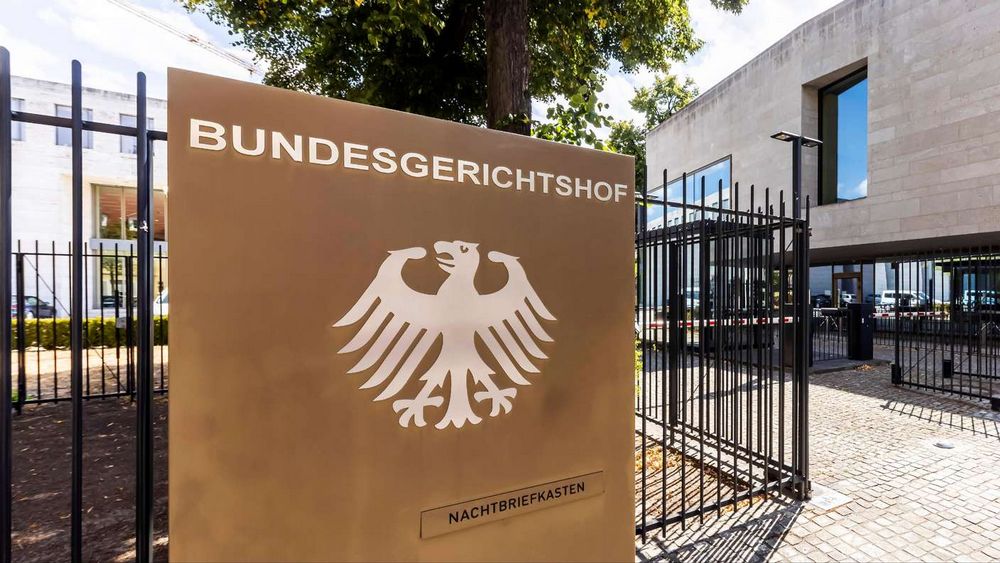
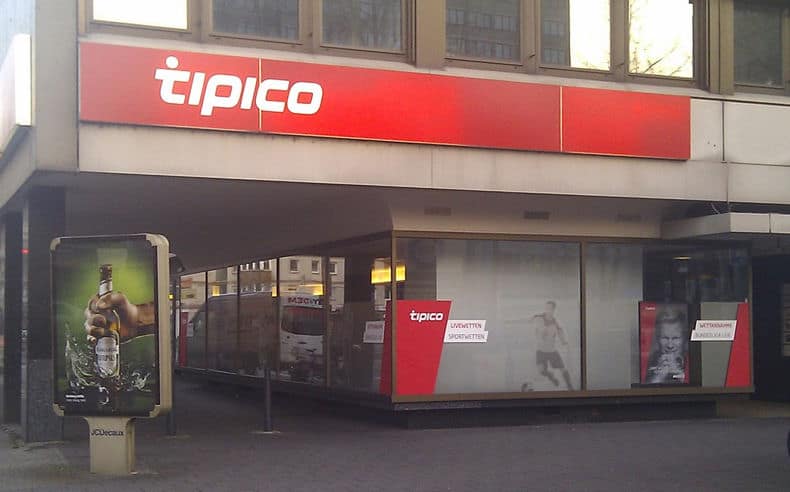
Germany’s top civil court, the Bundesgerichtshof, led in 2026 by Bettina Limperg, has escalated the case C-530/24 (DK vs Tipico) to the Court of Justice of the European Union, setting up a turning ruling on the balance between national gambling laws and EU market freedoms. At the center is Tipico, led by CEO Joachim Baca, a dominant force in Germany’s betting market.
- ECJ showdown: EU states back Germany’s Glücksspiel stance in Tipico case

The dispute stems from bets placed between 2013 and 2021, when operators like Tipico offered services without a German license. Plaintiffs seek reimbursement, arguing contracts are void under national law, while the operator claims Germany’s pre-2021 system was overly restrictive and incompatible with Article 56 of the Treaty on the Functioning of the European Union (TFEU), which guarantees freedom to provide services.

Bettina Limperg
Germany’s current framework is governed by the GlüStV 2021, which legalized online betting under strict controls, including a €1,000 monthly deposit cap per player, advertising limits and player protection rules. However, the transitional regulatory gap has triggered thousands of lawsuits, with potential liabilities reaching billions of euros, including claims of around €150 million against Tipico alone.

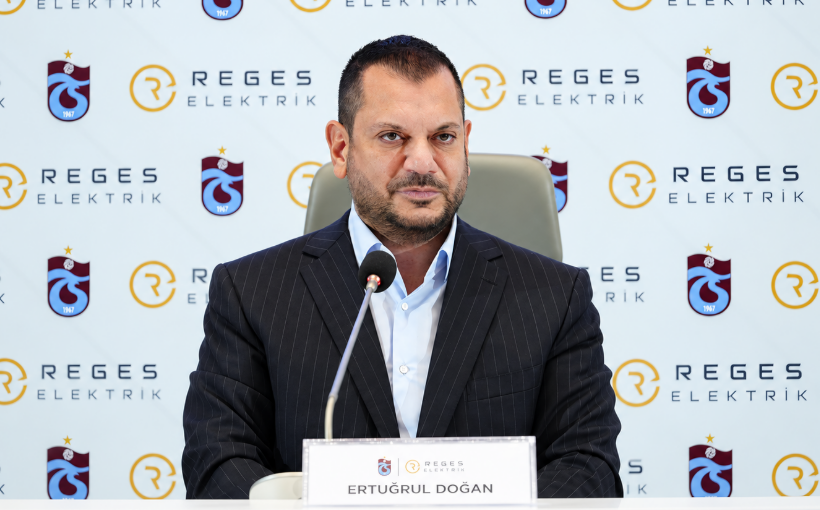
TIPICO CEO Joachim Baca
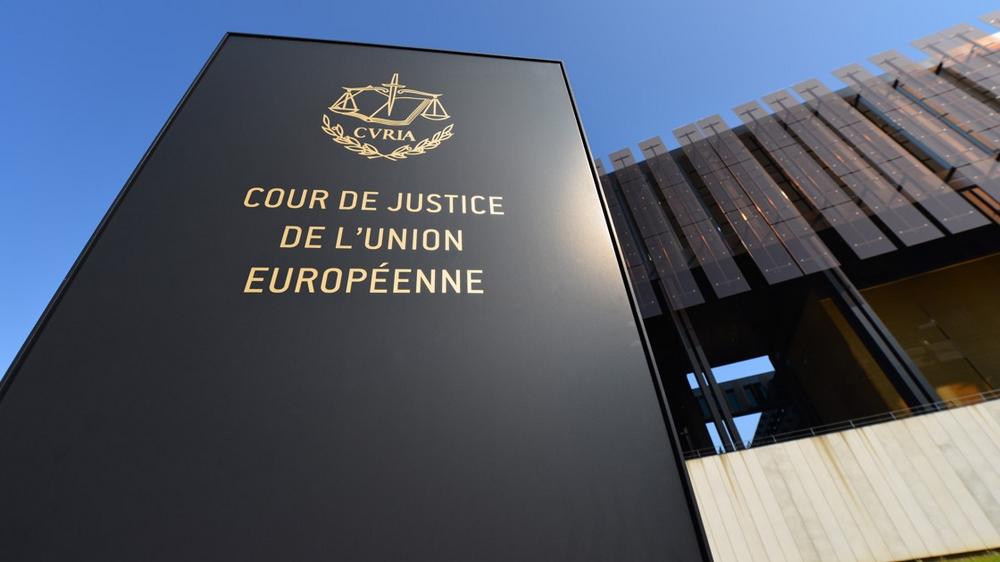
The case now sits with the CJEU, presided over by Koen Lenaerts, while the European Commission, led by Ursula von der Leyen, has broadly supported Germany’s regulatory approach.
The economic backdrop underscores the stakes. Europe’s illegal gambling market reached €80.6 billion in 2024, highlighting the tension between strict regulation and consumer demand. Germany’s licensing regime aimed to channel activity into the legal market, but the Tipico case raises fundamental questions about its compatibility with EU law.
- Germany reviews gambling law in 2026: GlüStV 2021 under pressure as channelization weakens
The CJEU’s ruling will determine whether unlicensed contracts are enforceable, whether Germany can restrict market access, and how far national regulation can go within the EU’s single market. In the short term, similar cases are expected to stall; in the medium term, the decision could reshape gambling regulation across Europe.
More than a legal dispute, the Tipico case represents a structural clash between state control and cross-border digital betting—one that could redefine the European iGaming landscape.