







Brazil has entered one of the most contradictory phases in its online betting industry; while President Luiz Inácio Lula da Silva intensified political pressure against digital gambling and opened the door to stricter restrictions, licensed operators are simultaneously preparing for what could become the largest betting World Cup in the country’s history during the FIFA World Cup 2026.

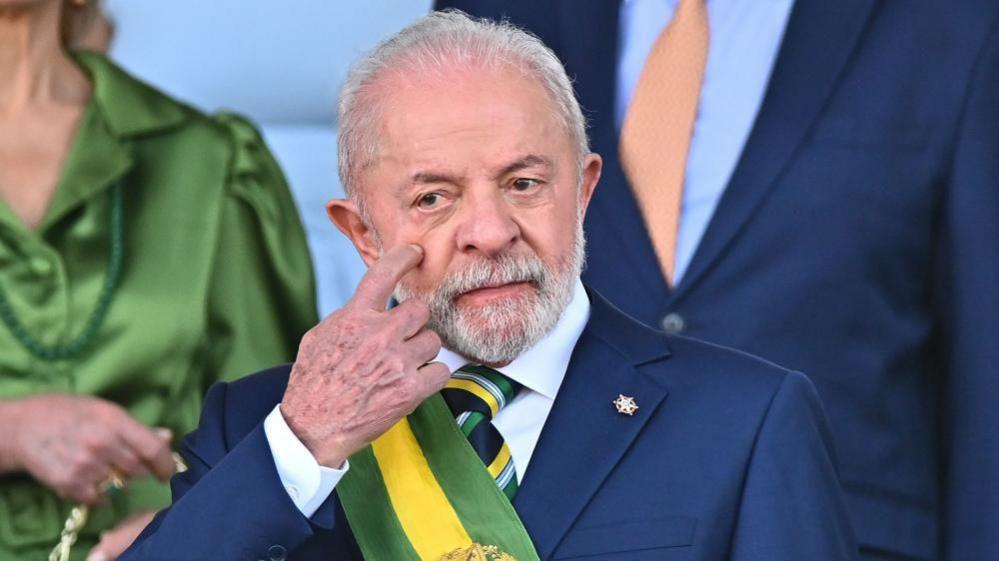
The clash between commercial expansion and political tightening is reshaping the largest regulated gambling market in Latin America. Lula stated throughout April and May 2026 that he would support tougher measures against online betting if the government concludes that gambling is increasing household debt, addiction and social problems in Brazil. The president’s remarks immediately raised tensions across the regulated sector and sparked concern among international operators that had recently entered the Brazilian market.
Despite the political pressure, the ecosystem continues expanding aggressively under Law No. 14.790/2023, the legislation that formally regulated fixed-odds betting, iGaming, advertising, compliance, AML/KYC controls and taxation in Brazil. The framework was built upon Law No. 13.756/2018, which initially legalized sports betting in the country.
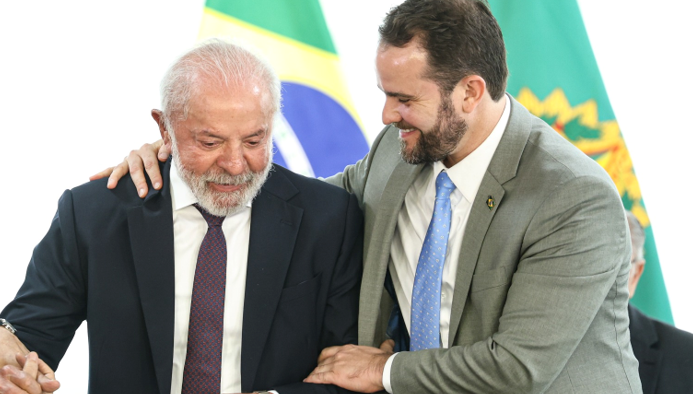
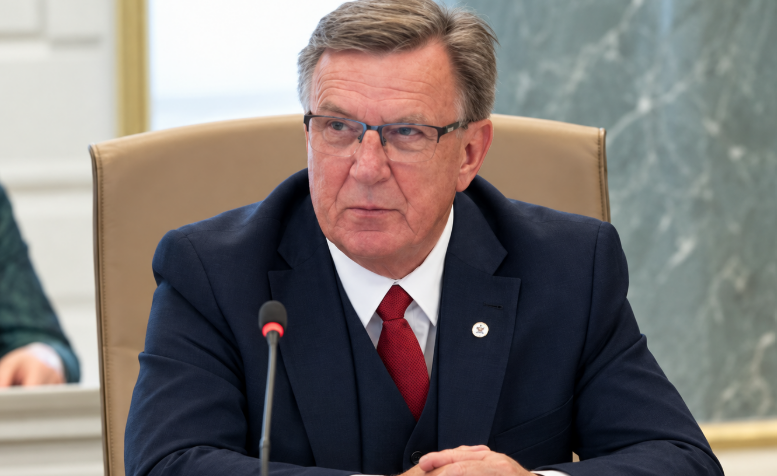
Finance Minister Dario Durigan
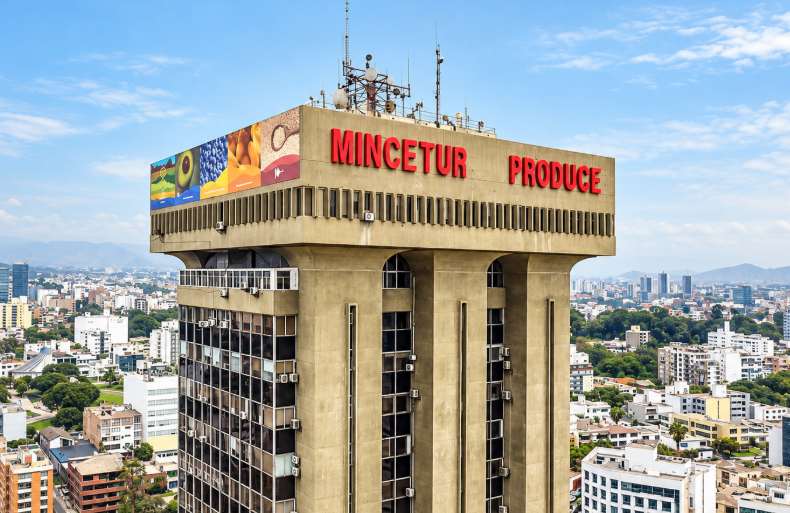
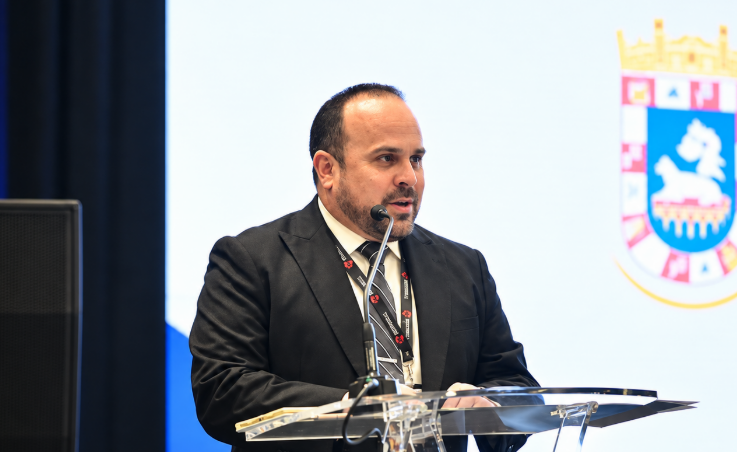
The market is supervised by the Secretariat of Prizes and Betting (SPA), an agency linked to the Ministry of Finance, led by Finance Minister Dario Durigan. The SPA’s permanent director in May 2026 is Daniele Correa Cardoso, who took over the leadership following the departure of Regis Dudena to head the Secretariat for Economic Reforms.

Daniele Correa Cardoso
The numbers explain why Brazil became a global priority for the betting industry. The regulated market generated approximately BRL37 billion in gross gaming revenue during 2025, equivalent to nearly US$7 billion, while tax collection approached BRL10 billion. Brazil currently has more than 83 licensed operators and approximately 197 active brands, with each federal license costing around BRL30 million.
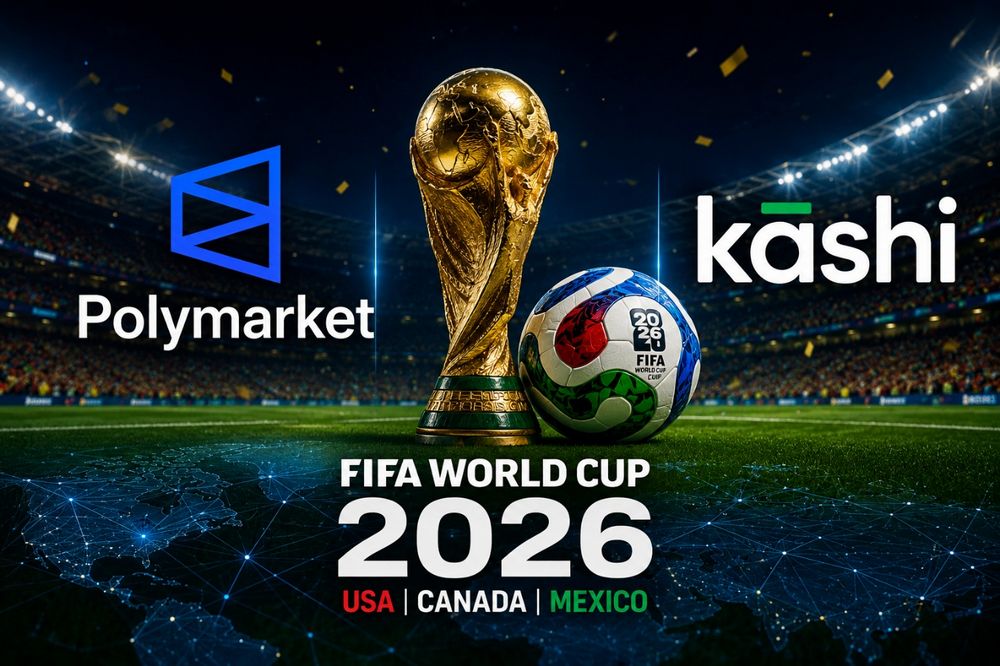
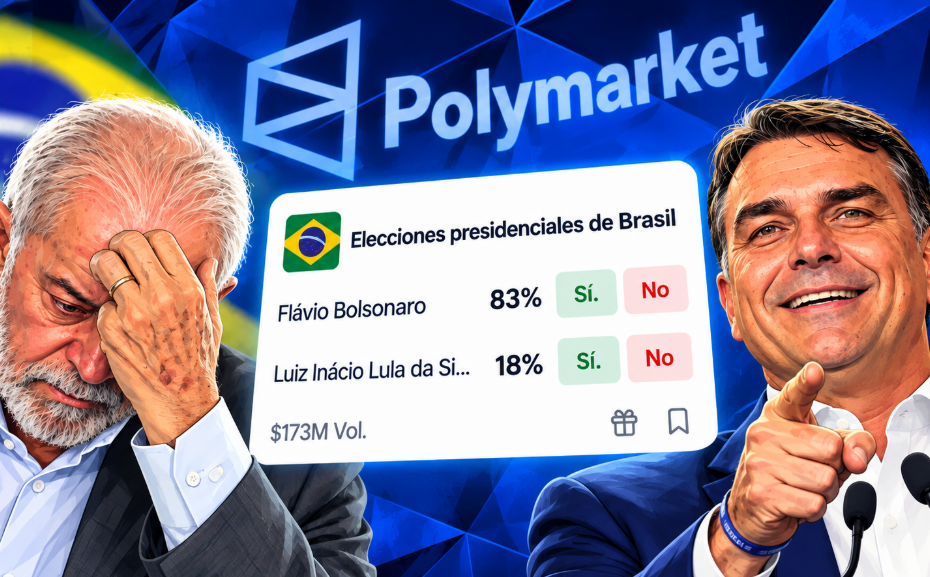
At the same time, the government has intensified enforcement actions. Brazil has already blocked more than 15,000 illegal websites and moved against prediction market platforms such as Polymarket and Kalshi, arguing they operated betting products disguised as financial derivatives.

Despite growing political scrutiny, operators and suppliers believe the 2026 FIFA World Cup will become the biggest commercial catalyst ever seen in Brazilian betting, driving record levels of live betting, mobile registrations, marketing campaigns and customer acquisition in a market that already ranks among the five largest gambling jurisdictions worldwide.