











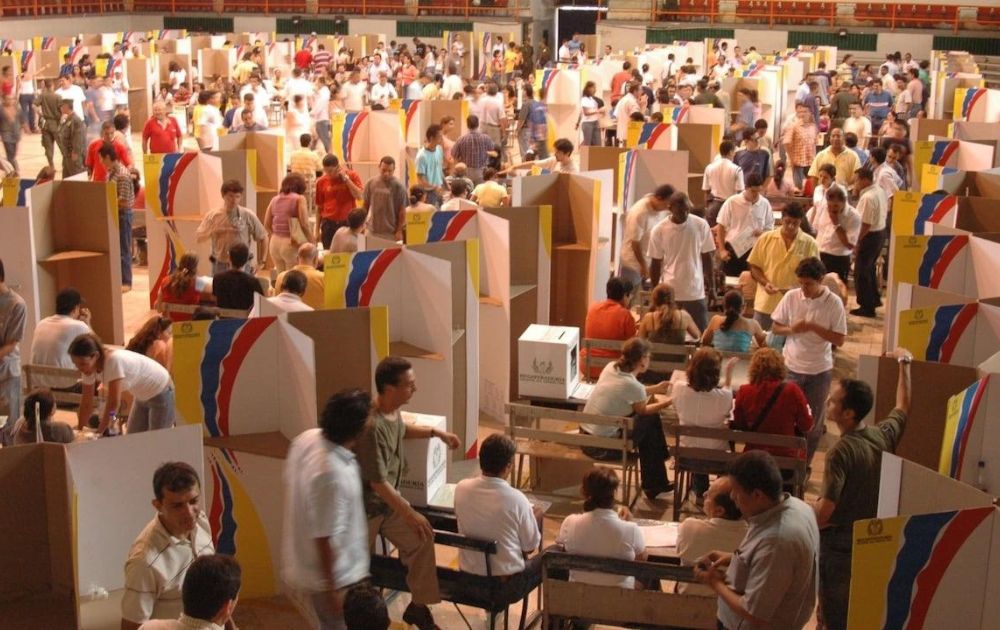
Colombia’s presidential first round on May 31, 2026, did more than reshape the country’s political landscape. It also opened a new scenario for sectors that, in recent years, have faced higher tax pressure, regulatory uncertainty and a less favorable environment for private investment. The winner of the first round was Abelardo de la Espriella, who secured 43.7% of the vote, representing more than 10.3 million ballots, compared with the 40.9% obtained by Iván Cepeda, the candidate representing continuity of the left-wing political project that has governed Colombia since 2022. Both candidates advanced to the June 21 runoff, but markets are already interpreting the result as a signal of potential economic change.

During the administration of Gustavo Petro, the business sector operated under Law 2277 of 2022, which maintained the corporate income tax rate at 35%, strengthened effective taxation mechanisms and coexisted with measures such as the wealth tax, additional fiscal burdens and extraordinary tax initiatives introduced through economic emergency decrees. For the gaming industry, one of the most significant developments was the imposition of a 19% VAT on online betting through Decree 175 of 2025, a measure that was later challenged and overturned by Colombia’s Constitutional Court. The period was also marked by banking access challenges for licensed operators, recurring discussions about new revenue-raising mechanisms and a progressively more complex regulatory environment.
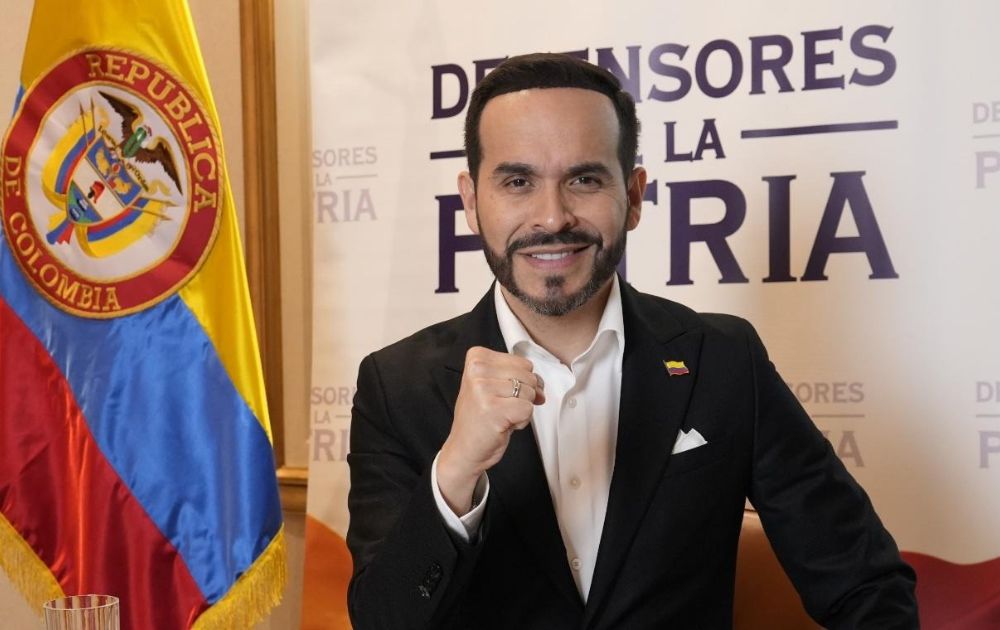
Abelardo De La Espriella
Despite those challenges, the industry continued to demonstrate its economic importance. Casinos and bingo halls transferred COP378.268 billion to Colombia’s healthcare system during 2025, an increase of 9.3% compared with the previous year, while approximately 109,000 legal slot machines operated across more than 3,700 authorized venues. Total gaming-related transfers to public healthcare reached approximately COP17.9 trillion, reinforcing the sector’s role as a significant contributor to public financing.
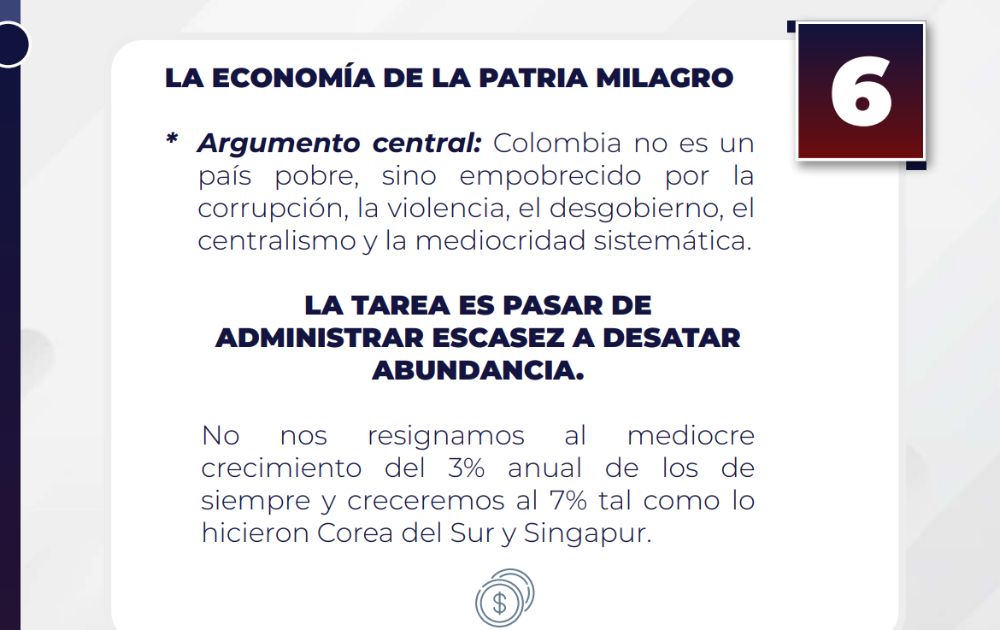
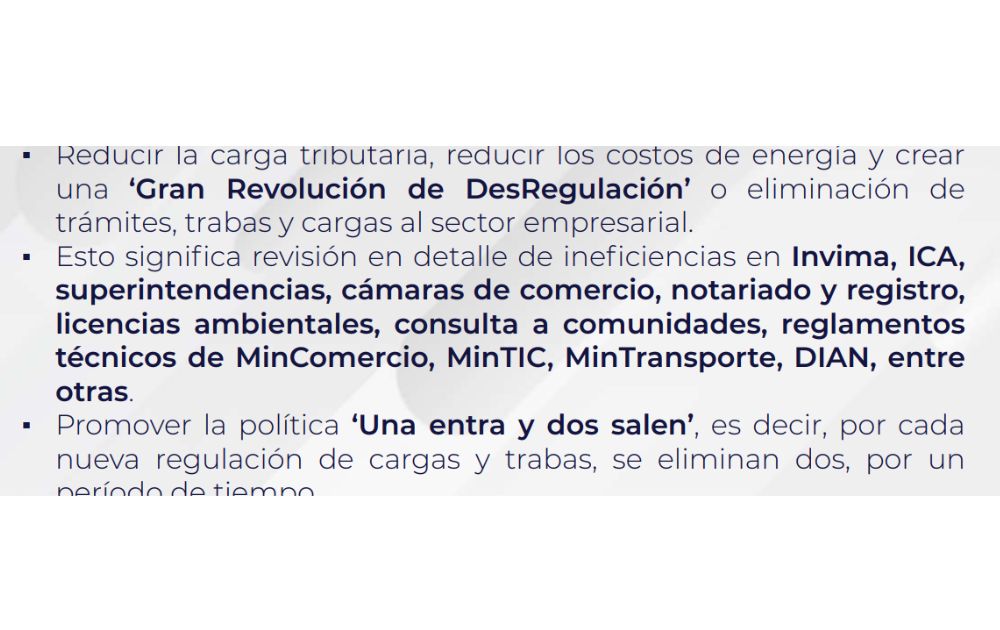
De la Espriella’ s economic platform proposes a different approach. His program includes economic growth above 7%, lower tax burdens, reduced energy costs, modernization of the tax authority through artificial intelligence, a smaller state, fiscal discipline and a “Great Deregulation Revolution” aimed at eliminating bureaucratic obstacles and barriers to business activity. The platform is complemented by a security agenda focused on combating illegal economies, strengthening state authority and restoring conditions for productive investment.

José Manuel Restrepo
The economic message gains additional credibility through the presence of José Manuel Restrepo as vice-presidential running mate and the campaign’s leading economic figure. Restrepo, a former Finance Minister and former Commerce Minister, is widely recognized among investors and financial markets for his support of macroeconomic stability, private investment, fiscal discipline and business competitiveness. His participation introduces a signal of technical continuity and confidence for sectors seeking a more predictable framework for investment and expansion.
Against that backdrop, the gaming industry is closely watching the potential political shift. A scenario involving lower tax pressure, regulatory simplification, stronger institutions and a more effective fight against illegal operators could improve conditions for gaming companies, technology providers, investors and regulated platforms.

The trend also aligns with a broader regional landscape in which several Latin American governments have returned to policies more focused on economic growth and private capital attraction. For a sector that already occupies a significant position within Latin America, the election outcome could become the starting point for a new phase of expansion, investment and regional leadership.