

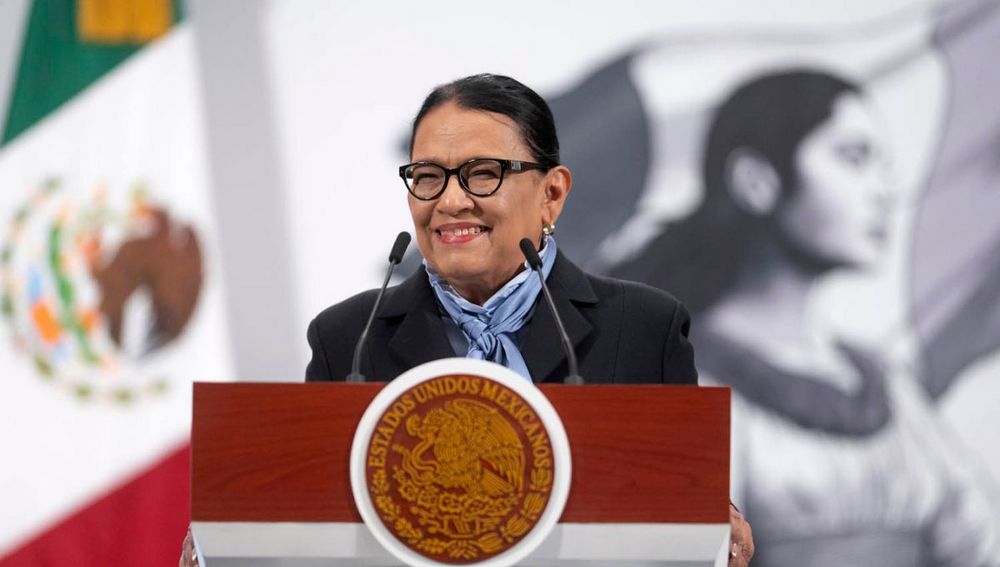








Mexico entered the final stage in September 2026 of reforming its 1947 Federal Gaming and Raffles Law, after Interior Secretary Rosa Icela Rodríguez Velázquez confirmed on September 3 that the internal draft prepared by the Ministry of the Interior (Segob) is complete and will be submitted to the Security Cabinet before reaching Congress.

The reform is designed to address four fronts; money laundering, tax fraud, administrative corruption and regulatory gaps surrounding digital gambling. The current law dates back to December 31, 1947, and gives Segob, through the General Directorate of Gaming and Raffles (DGJS), authority to authorize, supervise, amend and revoke permits for casinos and betting centers.

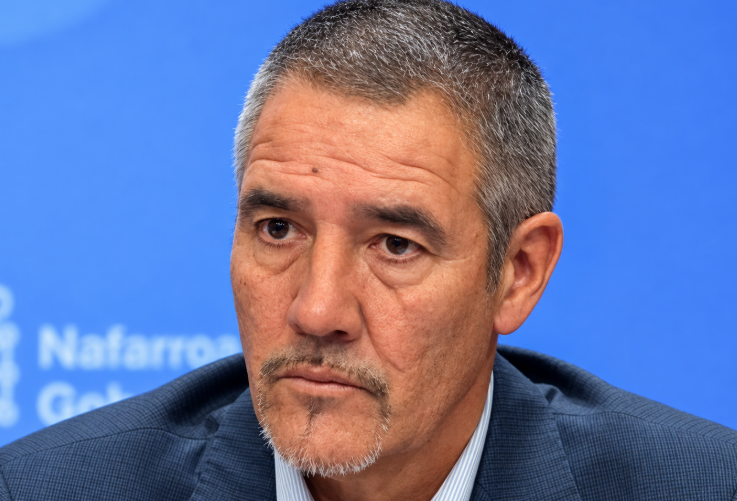
Édgar Amador Zamora
The new text has not yet been published, so there is still no official confirmation of new concession rates, license terms, advertising limits or a new online licensing regime. What has been confirmed is that it will cover land-based casinos, remote betting centers and digital platforms, with stronger coordination among Segob, the Finance Ministry, the Financial Intelligence Unit and security authorities.
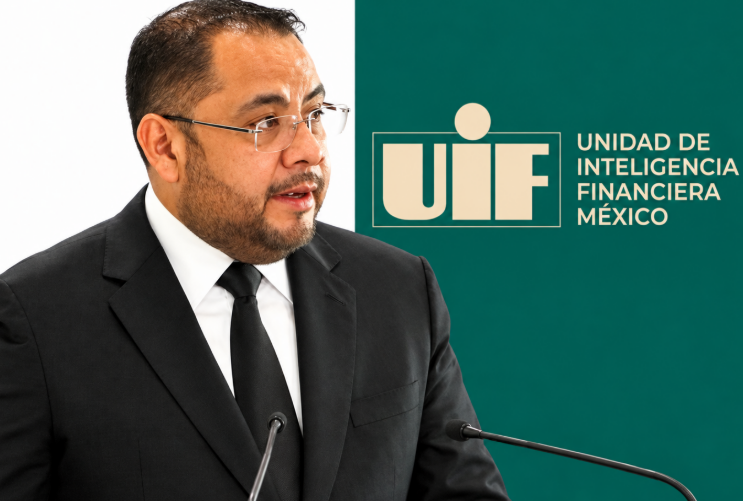
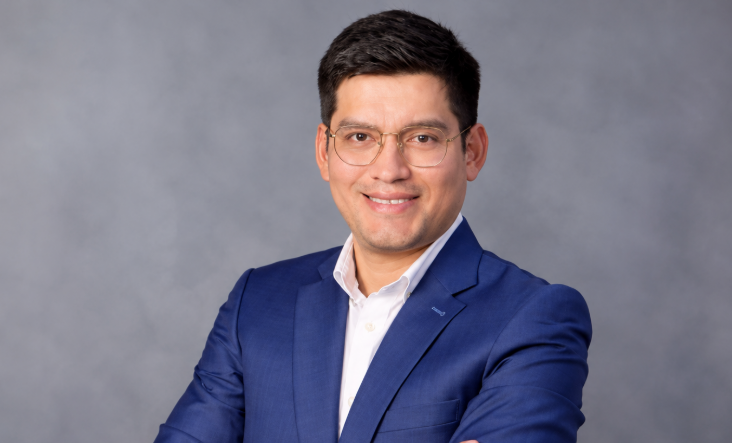
Omar Reyes Colmenares
The tougher approach follows Segob’s suspension of 13 land-based and virtual casinos on November 11, 2025, over suspected illicit operations identified alongside the Ministry of Finance and Public Credit (SHCP) and the Financial Intelligence Unit (UIF). Rodríguez estimates that around 20 establishments are currently facing problems or investigations.
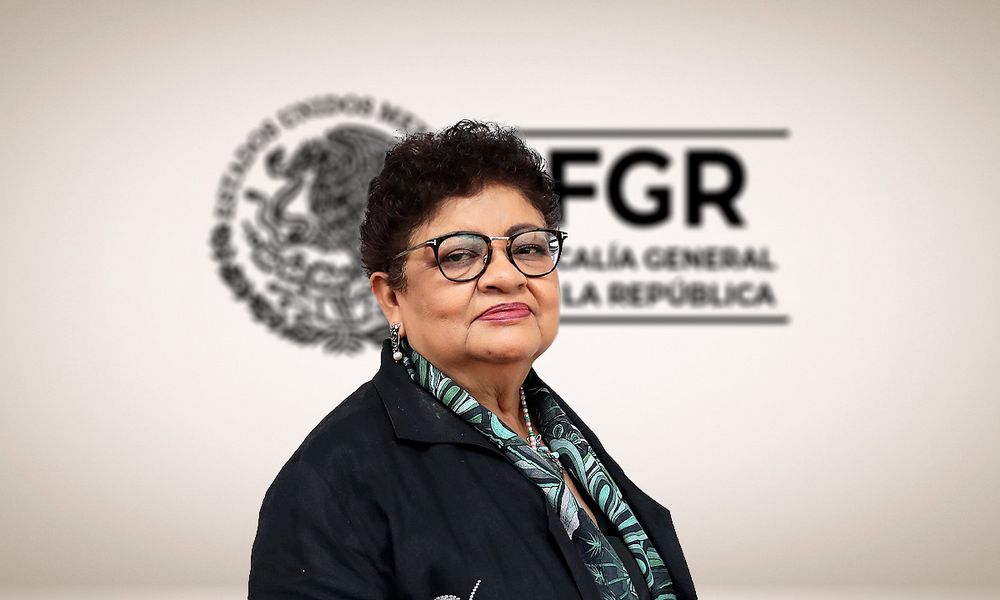
Ernestina Godoy Ramos
Between January and May 2026, Mexico’s financial system generated 202,045 reports linked to gaming, betting, contests and raffles, involving transactions worth at least MXN15.287 billion. In July, the DGJS also suspended 10 online casino websites, including betano.mx and bet365.mx, linked to a permit held by Ganador Azteca.

The sector is already facing heavier costs. From 2026, the IEPS tax on gaming and betting increased from 30% to 50%, including internet-based activity. Casinos are also subject to the LFPIORPI, which classifies them as Vulnerable Activities, and since August 10, 2026 they have operated under new AML rules based on risk assessment, KYC, beneficial ownership checks and PEP monitoring. The policy is being driven by Claudia Sheinbaum, with Rosa Icela Rodríguez at Segob, Édgar Amador Zamora at Finance, Omar Reyes Colmenares heading the UIF, Ernestina Godoy Ramos leading the FGR and Omar García Harfuch overseeing Security.