







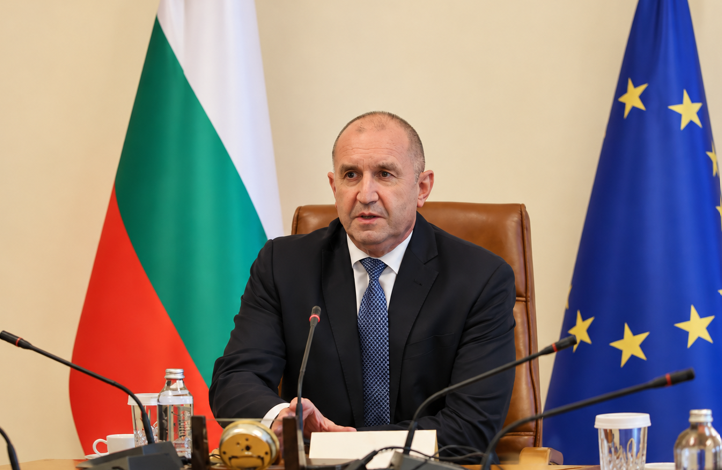







Hungary entered a new phase for its gambling industry after the new government of Prime Minister Péter Magyar announced reviews of the country’s lottery model, state gaming supervision and sector tax structure. The move, revealed this week following the official formation of the cabinet on May 12, 2026, is generating strong expectations across the European gaming market over a possible redesign of the system historically dominated by state-owned operator Szerencsejáték Zrt. and a potentially broader opening of the online betting sector.

At the center of the discussion is the political and financial review of Szerencsejáték Zrt., the company that maintains the state monopoly over lotteries and a large share of Hungary’s retail betting market. New Finance Minister András Kármán questioned how lottery revenues have been used and announced a gradual removal of special sector taxes imposed during the government of Viktor Orbán. At the same time, Minister for Social Relations and Culture Zoltán Tarr confirmed that the administration will review public-media and cultural financing mechanisms indirectly supported by lottery-generated funds.
Hungary regulates gambling through the Act XXXIV of 1991 on Gambling Operations, the country’s main gaming law covering casinos, sports betting, lotteries and online gambling under the supervision of the Supervisory Authority for Regulatory Affairs (SZTFH), led by Dr. Marcell Bíró. The authority oversees licensing, technical compliance, illegal-operator blocking measures and digital payment supervision. Since 2023, Hungary has formally opened the online sports betting market to operators from the European Economic Area, although the system remains heavily controlled through state structures and concession-based licensing.
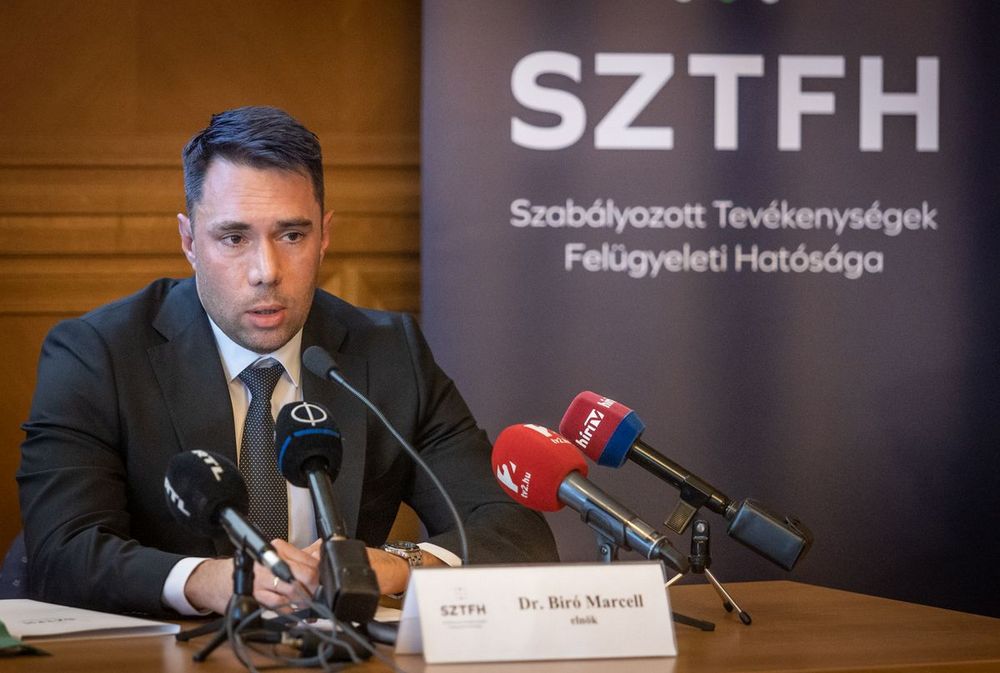
Dr. Marcell Bíró
Market figures explain why the debate is strategically important. Szerencsejáték Zrt. reported approximately EUR 3.25 billion in revenue during 2024, more than 1.1 million registered players and roughly EUR 447 million paid in taxes and regulatory contributions. Hungary’s gambling market is already valued above USD 1.7 billion, while the online segment remains one of the fastest-growing gaming markets in Central Europe.

What comes next for Hungary could reshape the country’s gaming ecosystem; review of gambling concessions inherited from the Orbán era, stronger pressure against illegal operators, possible competitive expansion for online betting and new debates over how state lottery revenues should be distributed and supervised.