



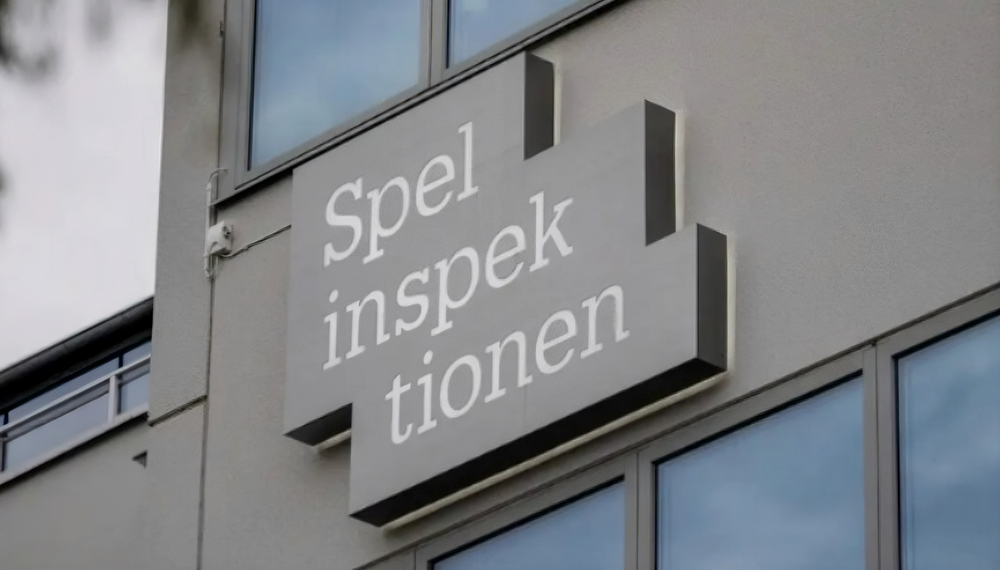












Sweden has moved to a new level of regulatory control with the approval of SIFS 2026:3, issued by the Spelinspektionen on April 23, 2026, published on April 29, and entering into force on August 1, 2026, requiring all licensed operators to verify the national self-exclusion register Spelpaus.se in real time before any player interaction. The shift transforms Sweden’s responsible gambling framework from a declarative model into a mandatory technical compliance system.

The regulation is grounded in the Gambling Act (2018:1138), in force since 2019, and the Gambling Ordinance (2018:1475), but introduces a key operational requirement; each operator must use regulator-issued credentials, Actor ID and API Key, and perform mandatory checks through dedicated APIs across marketing, registration and login. If the verification process is outsourced, legal responsibility remains with the license holder, closing a major compliance gap identified by the regulator.

Elisabeth Svantesson
The regulator operates under the Ministry of Finance of Sweden, led by Elisabeth Svantesson, with financial markets overseen by Niklas Wykman, reinforcing oversight of a market that generated approximately SEK 28.2 billion (USD 2.6 billion) in 2025, with more than SEK 18 billion from online betting. At the same time, self-excluded players surpassed 134,500, highlighting increasing demand for consumer protection mechanisms.

Niklas Wykman
The move aligns with the expanded credit ban on gambling, effective May 1, 2026, which prohibits the use of borrowed funds for betting and requires operators to block credit cards, strengthening safeguards against financial harm and over-indebtedness.

Operators must invest in system integration, real-time verification and audit capabilities, with direct sanction risk if checks fail. From a market perspective, Sweden aims to reinforce channelization ; currently around 85%, by strengthening trust in licensed operators, while balancing the risk that stricter compliance requirements could redirect part of the demand toward offshore, unregulated platforms.