











Romania unveiled on April 21, 2026, a €5 million harm-prevention fund for gambling, in a move by the regulator Oficiul Național pentru Jocuri de Noroc (ONJN) that signals a strategic shift after years of fiscal tightening, legal reforms and oversight failures.

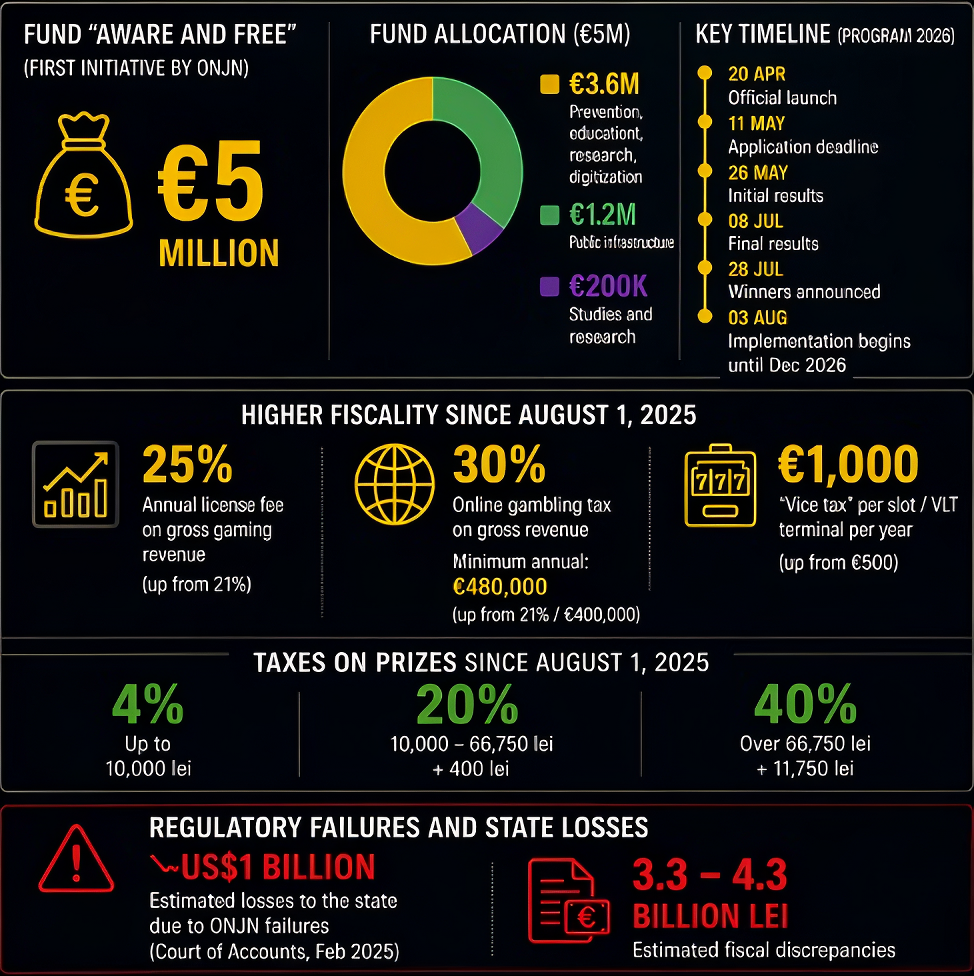
The program branded “Aware and Free,” is the first direct funding initiative in ONJN’s history. Applications are open until May 11, with final awards expected on July 28 and implementation starting on August 3, 2026. The fund allocates €3.6 million to prevention and education, €1.2 million to public infrastructure, and €200,000 to regulatory research and studies.
The move sits within an already strict legal framework. The sector remains governed by Government Emergency Ordinance No. 77/2009, alongside Law No. 124/2015, which validated online gambling regulation under GEO No. 92/2014. In 2026, the central authority is ONJN, led by Vlad-Cristian Soare, under the Ministry of Finance, headed by Alexandru Nazare, amid a broader political context shaped by the government crisis involving Ilie Bolojan in April.
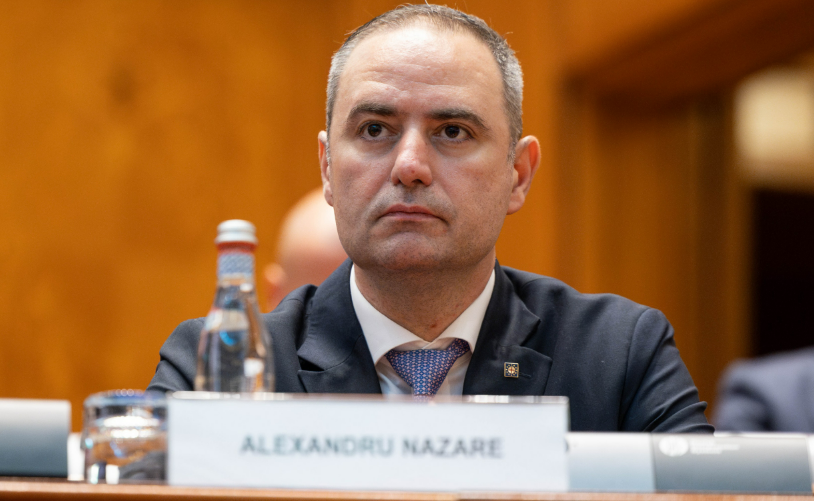
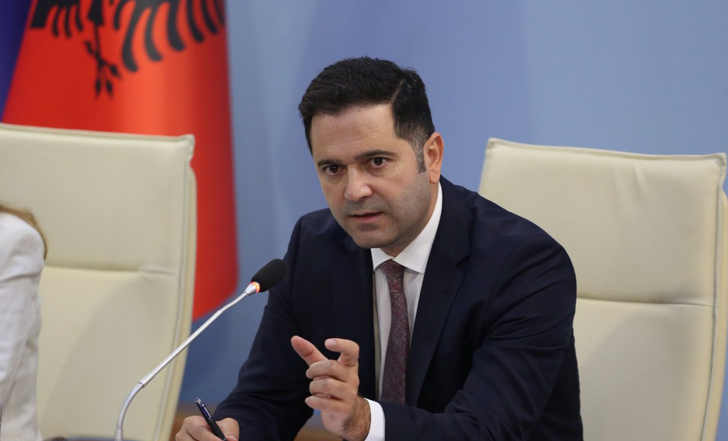
Alexandru Nazare
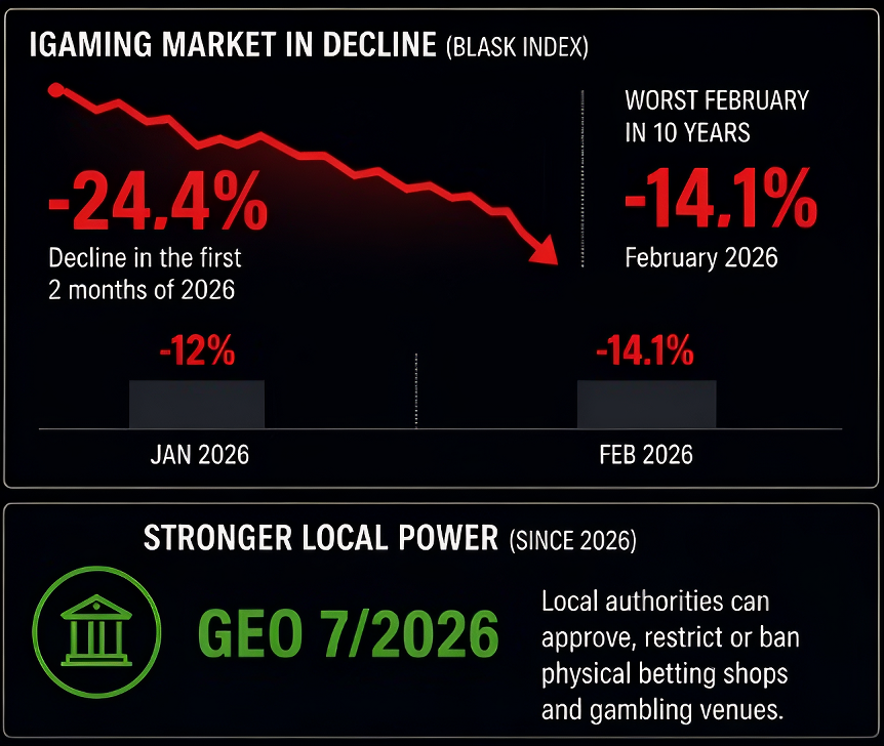
Regulatory pressure has intensified since 2025, from August 1, 2025, Romania increased the fiscal burden on operators, raising license fees to 25% of gross gaming revenue, imposing 30% taxation on online gambling, with minimum annual thresholds of €480,000, and doubling the “vice tax” on slot terminals to €1,000. At the same time, GEO No. 7/2026 granted local authorities the power to restrict or block gambling venues.
In February 2025, audit findings indicated that regulatory failures may have cost the state up to US$1 billion in lost revenue. Market indicators also point to pressure, with the iGaming index declining 24.4% in early 2026, including drops of 12% in January and 14.1% in February. Romania is not rewriting its gambling laws, but it is recalibrating its strategy. After tightening taxation and local controls, it is now introducing public investment in harm prevention to sustain the legitimacy of an increasingly restrictive and revenue-driven regulatory model.