














Mexico once again exposed weaknesses in its gambling regulatory framework on April 21, 2026, when authorities confirmed the destruction of 592 illegal slot machines in Acaponeta, Nayarit, in an operation led by the Attorney General’s Office (FGR) through the Specialized Regional Control Prosecutor’s Office (FECOR).

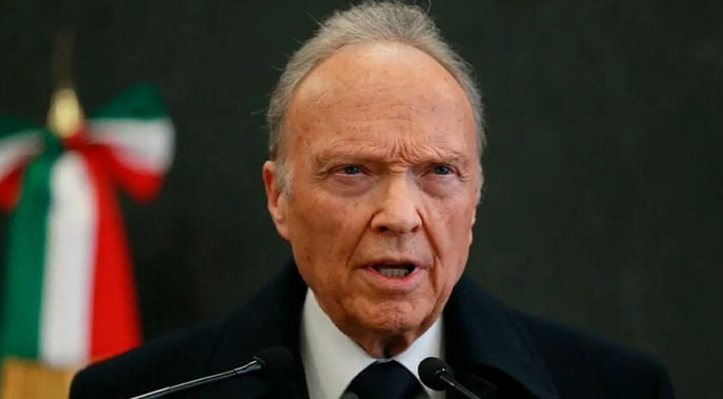
The operation, carried out on April 10, 2026, involved Sedena, Semar, the National Guard, the National Intelligence Center, and local authorities, under the leadership of Attorney General Alejandro Gertz Manero, who heads the FGR in 2026. FECOR operates within this structure as a key enforcement unit handling federal criminal investigations across regions.
Between January 2024 and March 2026, authorities seized 2,147 illegal machines, with a 427% increase in seizures from 2024 (309) to 2025 (1,629), plus 209 additional machines in Q1 2026. States such as Sinaloa (1,268 machines seized), Michoacán (278) and Nayarit (258) account for the highest concentration, according to data from Semar.
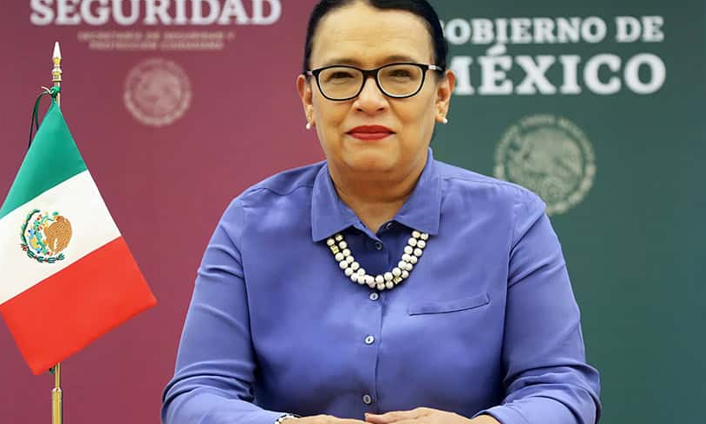
Interior Minister Rosa Icela Rodríguez Velázquez
Mexico still operates under the Federal Gaming and Raffles Law of December 31, 1947, supported by its updated regulation published on November 16, 2023, which maintains a prohibitive framework where any gambling activity not explicitly authorized by the Ministry of the Interior (Segob) is illegal. Oversight is handled by the General Directorate of Games and Sweepstakes (DGJS), led in 2026 by Leonardo Manuel Figueroa Martínez, under Interior Minister Rosa Icela Rodríguez Velázquez.
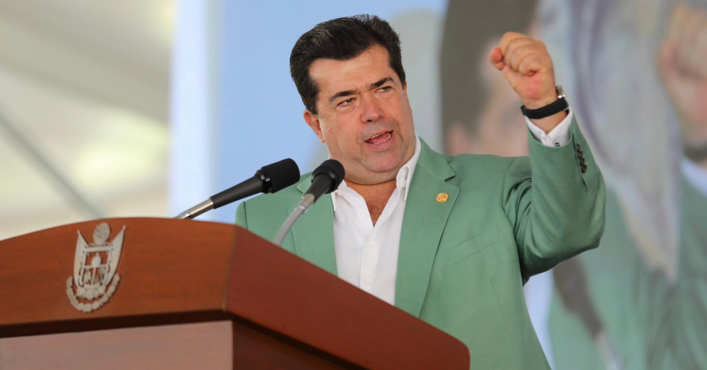
Congressman Pedro Haces Barba
Despite this, the law fails to contain the economic flow. Illegal slot machines generate up to MXN 600 million per week, with estimated earnings of MXN 3,000 per machine per day, feeding networks linked to extortion, racketeering and money laundering.
The political response is underway, cause the Congressman Pedro Haces Barba is pushing a reform in 2026 to tighten the law, strengthen sanctions and close regulatory gaps, while the federal government acknowledges that the current framework is outdated. Mexico does not face a lack of prohibition; it faces a structural gap between law and market. The ban has existed since 1947. What is failing in 2026 is the ability to adapt and enforce it against an illegal industry that evolves faster than regulation.