









The UK gambling market is entering a critical phase in 2026 as a combination of regulatory, fiscal and political pressure reshapes the balance between licensed operators and the illegal market. Four core developments define the shift: parliamentary proposals moving toward near-total advertising restrictions, warnings that illegal ad spending will surpass regulated activity, record tax pressure on operators, and the regulator’s admission that the illegal market is becoming harder to measure.

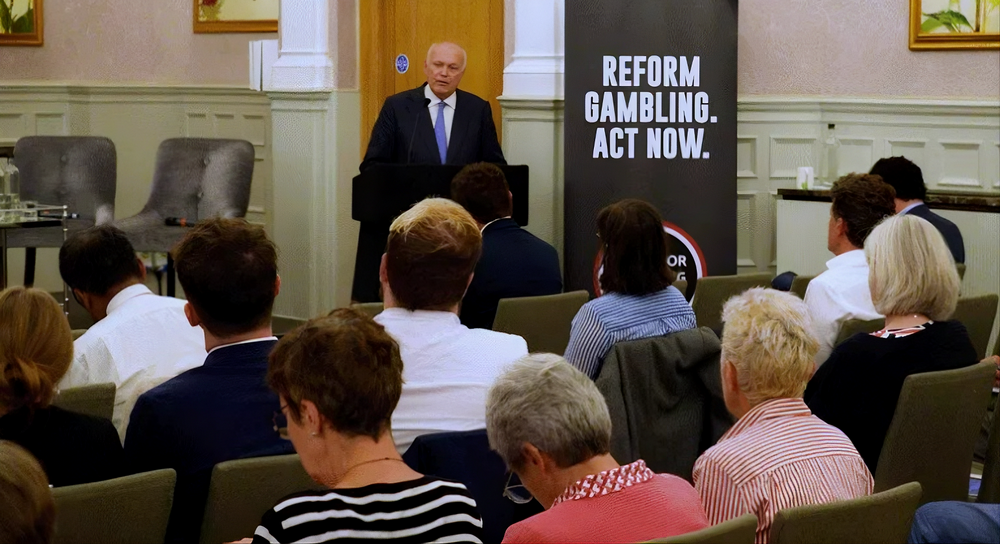
On April 23, 2026, the All-Party Parliamentary Group (APPG) on Gambling Reform, alongside the Peers for Gambling Reform (PGR), proposed a sweeping package of measures approaching a near-ban on gambling advertising: eliminating ads before 9 p.m., banning sports sponsorships; except horse racing and greyhound racing, prohibiting influencers, direct marketing, bonuses such as free bets, and even advertising for online slots. The initiative was debated in Westminster as part of a broader push to reshape the current framework under the Gambling Act 2005.
At the same time, a World Advertising Research Center (WARC) report dated April 21, 2026, warns that illegal operator advertising spend will rise from $1.05 billion in 2025–26 to over $1.25 billion by 2028, surpassing the regulated market, whose spend is projected to fall to approximately $1.25 billion in 2026–27 after consecutive declines. Total sector sponsorship is expected to reach around $330 million, with more than half driven by the unregulated market.

Pressure on licensed operators is already visible, cause the FDJ United, owner of Unibet, confirmed on April 23, 2026, that it will remain in the UK despite a sharp downturn. Its UK division reported a 24.1% drop in GGR in Q1 2026, in a market where the Remote Gaming Duty doubled from 21% to 40% of GGR as of April 1, 2026. At group level, FDJ reported $2.35 billion in GGR and $970 million in revenue for the quarter, highlighting margin pressure in highly regulated environments.
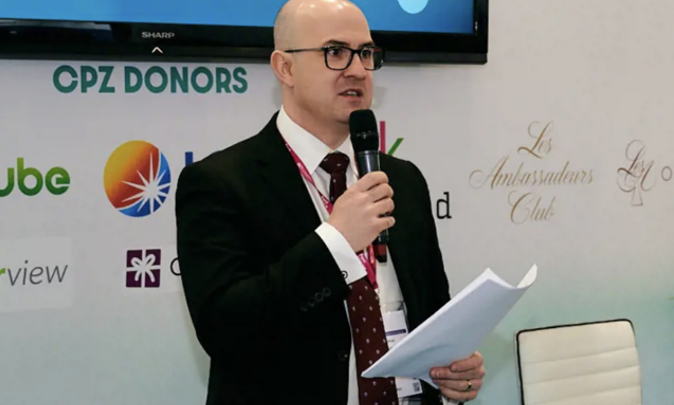
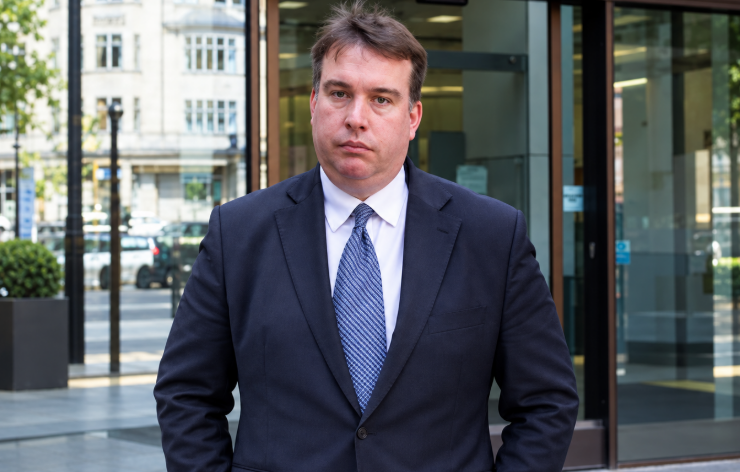
Andrew Rhodes
The UK Gambling Commission (UKGC), led by Andrew Rhodes until April 30, 2026, and then by interim chief Sarah Gardner, acknowledged on April 22, 2026, that rising VPN usage, accelerated after the Online Safety Act (July 2025), is complicating the tracking of illegal gambling activity. While no sustained structural growth has been confirmed, the Commission admits significant data limitations. Since April 2024, it has issued over 3,140 cease-and-desist orders and removed nearly 288,000 illegal URLs.
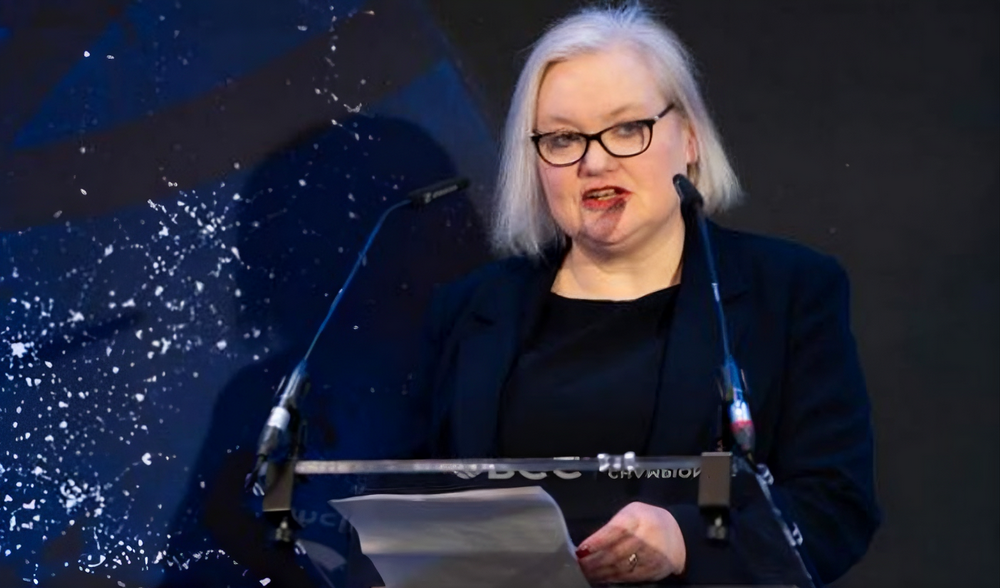
Baroness Twycross
The regulatory framework is overseen politically by the Department for Culture, Media and Sport (DCMS) under Baroness Twycross, while enforcement also involves HMRC and an Illegal Gambling Taskforce including major players such as Google, Visa and Mastercard.
However, online gambling generated approximately $1.9 billion in revenue in Q4 2025, with 27.4 billion bets and spins and 12.7 million average monthly active accounts. Participation reaches 48% of the adult population, or 27% excluding lottery-only players.
The UK is not shrinking gambling; it is redesigning its control with higher taxes, reducing advertising and increased pressure on licensed operators, in a landscape where the illegal market is gaining visibility and challenging regulatory effectiveness.